Pruning
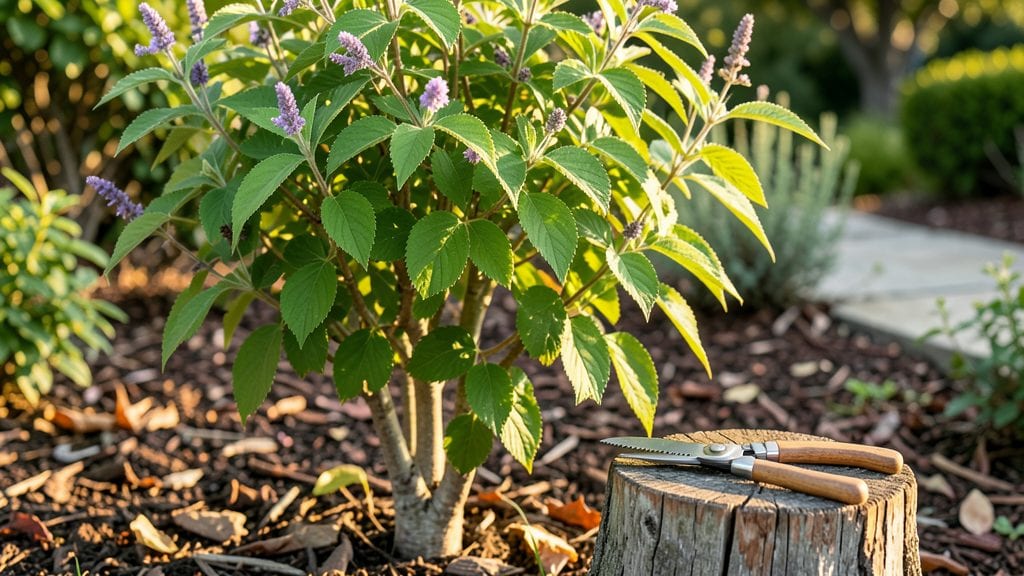
Proper vitex plant pruning in late winter or early spring turns your scraggly shrub into a lush, flowering beauty—here’s how I did it. all about timing and technique.
The right trim encourages new growth while keeping the plant’s natural shape, and you’ll see those purple flower spikes lasting weeks longer than before.
You only need three things: sharp bypass pruners, a pair of gloves (vitex branches are tough), and a clear day to assess the plant. The goal is simple—remove dead or crossing branches first, then cut back up to one-third of the plant’s height to stimulate bushiness.
Think of it like giving your vitex a fresh start before the growing season kicks in.
After pruning, your vitex will reward you with fresh, vibrant foliage within weeks, and those signature purple blooms will appear thicker and more abundant. The key is to avoid over-cutting—never remove more than a third of the plant at once, or you risk stunting its growth.
With the right approach, you’ll have a vitex that’s both productive and picture-perfect.
This method works for both young and mature vitex plants, though established shrubs may need a more gradual approach. Whether you’re pruning a new plant or reviving an older one, the same principles apply. Let’s get those shears ready—your vitex is about to look (and bloom) better than ever.
📚 In This Guide
- What you need
- Instructions
- Tips and common mistakes
- Wrapping up and next steps
What you need
- ● Pruning shears (bypass or anvil type) – Choose sharp, high-quality shears (5–7 inches long) for clean cuts on smaller branches (up to ½-inch thick). Disinfect with rubbing alcohol before and after use to prevent disease spread.
- ● Loppers (for thicker branches) – Opt for long-handled loppers (18–24 inches) to reach higher branches and cut stems up to 2 inches thick. Look for bypass-style loppers for precision.
- ● Pruning saw (for stubborn branches) – A curved-tooth pruning saw is ideal for cutting branches thicker than 2 inches. Avoid cheap saws—they can tear wood.
- ● Gloves (heavy-duty gardening gloves) – Protect your hands from thorns, sap, and rough branches. Choose leather or reinforced fabric gloves for durability.
- ● Disposable pruning bags or bucket – Collect 1–2 gallons of clippings for easy disposal or composting. A lightweight bag or small bucket works well.
- ● Rubbing alcohol (70% or higher) and paper towels – Keep tools sterile between cuts to avoid spreading fungal or bacterial infections.
- ● Sharpie or permanent marker – Mark 1/4-inch above a bud or branch collar for precise pruning reference points.
- ● Extension pole pruners – For tall vitex plants (6+ feet), these save you from climbing or using a ladder.
- ● Hose with spray nozzle – Rinse tools and branches after pruning to remove sap and debris.
- ● Plant food (balanced fertilizer) – Apply a 10-10-10 or 20-20-20 fertilizer after pruning to encourage new growth.
- ● Safety glasses – Protect your eyes from debris or sap splatter during heavy pruning.
- ● Ladder (if needed) – Use a stable, 3-sided ladder for high branches, but never stand on the top rung.
Instructions for pruning vitex to encourage full, flowering growth
Pruning vitex isn’t just about shaping—it’s about unlocking more blooms and thicker foliage. Here’s how to do it right, season by season.
Prune Lightly After Spring’s First Blooms
Start your pruning 2-3 weeks after the first flowers fade in late spring. This timing ensures you don’t cut off next year’s buds, which form on old wood. Use clean, sharp pruners to make cuts just above a leaf node or bud, angled slightly downward to prevent water pooling. Remove only 10-15% of the plant’s total growth—think of this as a light trim to encourage branching.
Focus on removing any dead, crossing, or weak branches first. These are the ones that compete with healthy growth for energy. You’ll know you’re doing it right when you see multiple stems emerging from the base—this is where new, bushier growth begins. Avoid heavy pruning now; vitex responds better to gradual shaping than drastic cuts.
Shape and Thin in Mid-Summer for Airflow
About 6-8 weeks after the first pruning, give your vitex a mid-summer check. This is when you’ll thin out the center to improve airflow and reduce disease risk. Look for branches growing inward or rubbing against others—these are prime candidates for removal. Cut them back to their origin or a strong outward-facing bud.
For height control, you can trim the topmost 1-2 feet of the tallest stems. This encourages the plant to fill out rather than grow leggy. If your vitex is looking sparse, prune back some of the longest branches by one-third to stimulate new side shoots. Just remember: never cut into old wood—always leave at least a few inches of last year’s growth to support new blooms.
Clean Up After the Final Bloom Cycle
Once your vitex finishes its last flush of flowers in late summer or early fall, it’s time for a final trim. Remove all spent flower clusters by cutting back to the nearest leaf node. This redirects the plant’s energy toward root and stem growth, setting it up for next year’s blooms. You can also lightly shape the plant at this stage, but avoid heavy cuts—vitex needs time to harden off before winter.
Remove any dead, diseased, or damaged branches completely. These can harbor pests or pathogens over winter. If your vitex is in a colder climate, hold off on aggressive pruning until early spring—this gives the plant time to recover before the growing season kicks in. A light cleanup now keeps the plant looking tidy without stressing it.
Winter Pruning for Structure and Renewal
In early spring, before new growth appears, do a final structural pruning. This is when you can make bolder cuts—up to 25% of the plant’s total volume—to shape it as desired. Focus on opening up the center, removing old wood that’s no longer producing well, and thinning out congested areas. Always cut back to a strong bud or branch, never to a bare stem.
Here’s the thing—vitex blooms on old wood, so avoid cutting back too aggressively. If you prune too much in winter, you might sacrifice next year’s flowers. Instead, think of this as a refinement step: tidy up what you’ve shaped over the year, and remove any branches that haven’t performed well. Finish by sterilizing your pruners with rubbing alcohol to prevent spreading disease.
Tips & tricks for pruning vitex to encourage full, flowering growth
Mastering vitex pruning takes patience, but these insights will help you avoid common mistakes and maximize blooms.
Timing is Everything: The 2-3 week window after spring blooms fade is critical—this ensures you don't accidentally cut off next year's flower buds, which form on old wood. I've seen gardeners miss this timing and end up with sparse blooms the following year. Mark your calendar or set a reminder when you notice the first flowers starting to fade.
Cutting Technique Matters: Always make your cuts just above a leaf node or bud, angled slightly downward. This simple technique prevents water from pooling at the cut site, which could lead to rot. I've had to replace pruners after they rusted from wet cuts—sterilizing them with rubbing alcohol after each use makes a big difference in plant health.
Gradual Pruning Wins: In Step 1, when you're removing only 10-15% of the plant's growth, resist the temptation to do more. Vitex responds best to gradual shaping. I learned this the hard way after giving my first vitex a heavy haircut in spring and ending up with mostly leaves and no flowers the next year. Think of it as sculpting rather than trimming.
Airflow and Disease Prevention: During your mid-summer pruning (6-8 weeks after the first trim), focus on creating space in the center of the plant. This improves airflow and dramatically reduces the risk of fungal diseases. I've had to remove entire branches of vitex that developed powdery mildew because I neglected this step—don't let that happen to you.
Pro Tips for Vitex Plant Pruning
- Mastering vitex pruning takes patience, but these insights will help you avoid common mistakes and maximize blooms.
- Timing is Everything: The 2-3 week window after spring blooms fade is critical—this ensures you don't accidentally cut off next year's flower buds, which form on old wood.
- Cutting Technique Matters: Always make your cuts just above a leaf node or bud, angled slightly downward.
Frequently asked questions
Got questions about keeping your vitex plant thriving with the right pruning? Here are some of the most common concerns—and their answers—to help you prune like a pro!
When is the best time to prune vitex?
The ideal time to prune vitex is late winter or early spring, just before new growth begins. This ensures you remove dead or weak wood while encouraging fresh, vigorous blooms. Avoid heavy pruning in fall, as the plant needs energy to harden off for winter.
How much can I trim back my vitex plant?
Vitex is hardy and can handle moderate to aggressive pruning. For established plants, you can trim back up to ⅓ of the plant’s height without stressing it. Younger plants benefit from lighter cuts (10–20%) to shape their structure. Always avoid cutting into old wood—focus on new, green growth for best results.
Will pruning vitex reduce its flowers?
Not at all! Pruning actually encourages more blooms by promoting air circulation and sunlight penetration. When you remove crowded or leggy branches, the plant redirects energy to produce longer, fuller flower spikes. Just avoid over-pruning in one season—balance is key!
What should I do if my vitex isn’t blooming after pruning?
If your vitex skips blooms post-prune, check these fixes:
- Light exposure: Ensure it gets full sun (6+ hours/day)—vitex needs bright light to flower.
- Fertilizer: Use a balanced, phosphorus-rich fertilizer in spring to support blooming.
- Pruning timing: If pruned too late (after buds form), delay blooms. Stick to late winter/early spring cuts.
- Age/health: Young plants (<3 years) may not bloom heavily; give them time.
Can I prune vitex in containers differently than in-ground plants?
Yes! Container-grown vitex needs more frequent pruning (2–3 times/year) to control size and shape. Trim lightly after each flush of new growth to maintain compactness. Also, repot every 2–3 years to refresh root space—root-bound plants bloom poorly. Use well-draining soil and a pot with drainage holes!
Wrapping up and next steps
Pruning your vitex plant is a simple yet powerful way to unlock its full potential—bushier growth, vibrant blooms, and years of healthy productivity. 🌿 By following seasonal trims and the right techniques, you’re not just shaping your plant; you’re investing in its long-term beauty.
Whether you’re a beginner or a seasoned gardener, every snip brings you closer to a thriving vitex that rewards you with stunning purple blooms.
Ready to see the difference? Grab your pruners and start trimming today! For extra confidence, review the FAQs or explore essential tools to make the process even smoother. Your vitex’s best days are ahead—let’s make them bloom! 🌸