
Vegetables
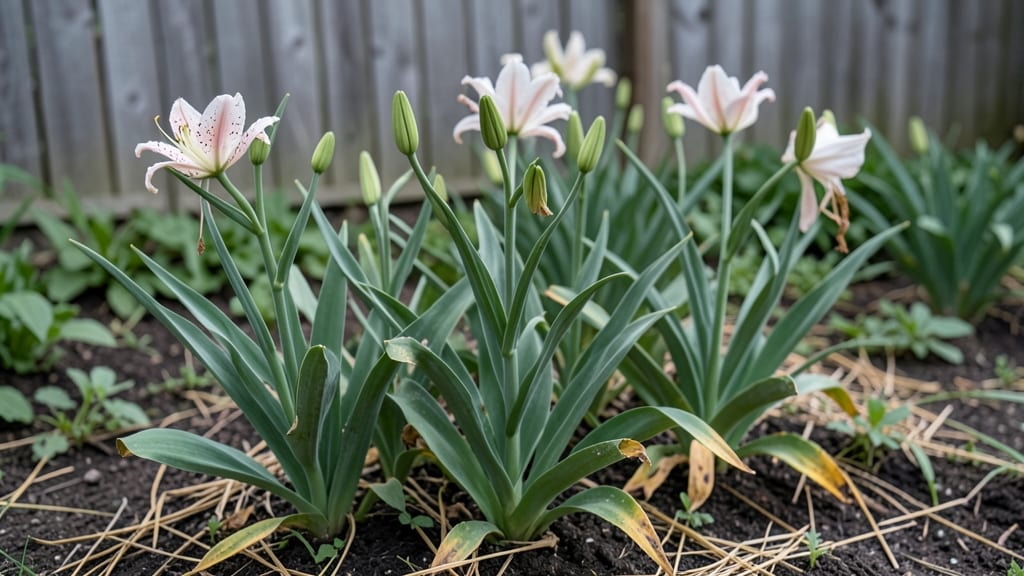
This Turkish turban plant, the Lilium martagon, thrives where others falter—its nodding, turban-shaped blooms demand little water once established and naturalize beautifully in shady spots. 🌿 I’ve grown these in my woodland garden for years, and they’ve become the backbone of my low-maintenance perennial borders, blooming reliably even after droughts.
This hardy lily prefers USDA zones 3-8, partial to full shade, and well-draining, slightly acidic soil. Plant bulbs 6 inches deep and 6 inches apart in early fall, mimicking their native woodland conditions.
Unlike fussy lilies, they tolerate neglect—once settled, they’ll spread over time, creating lush, fragrant colonies with minimal effort.
Water deeply after planting, then reduce to occasional moisture—these plants store water in their bulbs. A light application of balanced fertilizer in early spring encourages strong growth, but avoid heavy feeding.
Deadhead spent blooms to redirect energy into next year’s flowers, and resist the urge to prune foliage until it yellows naturally.
Common challenges include deer browsing (they’re less appealing once established) and botrytis blight in humid climates—space plants for airflow and remove diseased foliage promptly. Pair them with ferns, hostas, or astilbes for a woodland-inspired understory that thrives with almost no care.
📚 In This Guide
- What you need
- Instructions
- Tips and common mistakes
- Wrapping up and next steps
What you need
- ● Seeds: 5–10 Mimosa pudica seeds (available online or at specialty nurseries). 💡 Pro tip: Soak seeds in warm water for 24 hours to speed up germination!
- ● Potting soil: 1–2 gallons of well-draining, lightweight potting mix (avoid heavy garden soil). Mix in perlite or sand (1 part perlite to 4 parts soil) for extra drainage.
- ● Containers: Seedlings: Small 4–6 inch pots (3–5 pots for your seeds).
- ● Mature plant: A 10–12 inch pot or garden bed (if planting outdoors in USDA Zones 9–11).
- ● Watering can or spray bottle (for gentle hydration).
- ● Grow lights or sunny windowsill (if starting indoors).
- ○ Gloves (optional—handles can be sensitive!).
- ● Pruning shears (for trimming leggy growth).
- ● Fertilizer: Balanced 10-10-10 liquid fertilizer (diluted to half-strength, applied every 4–6 weeks).
- ● Mulch (straw or shredded leaves to retain moisture).
- ● Humidity dome or plastic wrap (to keep seedlings cozy during germination).
How to grow a thriving Turkish turban plant in containers
Here's my foolproof method for cultivating this drought-tolerant beauty with vibrant blooms that last all season.
🪴 Step 1: Select the Right Container and Soil Mix
Choose a 12-15 inch diameter pot with drainage holes—Turkish turban plants (Moluccella laevis) need room for their fibrous root system. I use terracotta because it breathes and prevents root rot, which this plant detests. Fill the bottom third with coarse gravel or perlite to ensure rapid drainage.
Next, combine 2 parts potting mix with 1 part coarse sand or perlite for excellent aeration. This plant thrives in lean, well-draining soil—never rich compost. Moisten the mix until it feels like a wrung-out sponge, then fill the pot to 1 inch below the rim. The goal is soil that holds moisture but never stays soggy.
🌱 Step 2: Plant Your Turkish Turban and Water Thoroughly
Dig a hole twice as wide as the root ball but no deeper. Gently remove the plant from its nursery pot and loosen any circling roots with your fingers. Place it in the center, ensuring the top of the root ball sits ½ inch below the soil line—this prevents stem rot during watering. Backfill with your soil mix, pressing lightly to eliminate air pockets.
Water immediately after planting until moisture runs freely from the drainage holes. This establishes good root-to-soil contact. Let it drain completely before placing in its final spot. Turkish turban plants are surprisingly drought-tolerant once established, but they need this initial deep watering to settle in. I always add a ½ teaspoon of balanced fertilizer to the soil during planting for a gentle growth boost.
☀️ Step 3: Position for Optimal Light and Airflow
Turkish turban plants adore full sun to partial shade—at least 4-6 hours of direct sunlight daily. A south-facing window or protected outdoor spot works perfectly. In hot climates, afternoon shade prevents leaf scorch. You'll notice the plant's signature ball-shaped blooms develop best with strong morning light.
Space plants 18-24 inches apart for proper airflow, which prevents fungal issues. These plants are naturally bushy and don't need staking, but if stems lean, a simple 3-inch bamboo stake inserted at planting keeps them upright. Avoid overcrowding—they'll compete for nutrients and produce fewer blooms.
💧 Step 4: Water and Fertilize for Continuous Blooms
Water when the top 2 inches of soil feel dry—usually once a week in summer, less in winter. This plant stores water in its stems, so it's better to underwater slightly than drown it. I test by sticking my finger in the soil; if it's dry past my first knuckle, it's time to water. Always water at the base to keep foliage dry, which prevents powdery mildew.
Feed every 6-8 weeks with a low-nitrogen, high-phosphorus fertilizer (like 5-10-5) to encourage blooming. I mix ½ teaspoon per gallon of water and apply when new growth appears. Deadhead spent blooms by snipping just above the next set of leaves—this redirects energy to new flowers and keeps the plant bushy.
✂️ Step 5: Prune and Overwinter for Next Season
After the first frost, cut back stems to 4-6 inches tall to encourage fresh spring growth. This plant is semi-evergreen in mild climates but benefits from a light pruning to remove any browned or diseased stems. I always sterilize my pruners with rubbing alcohol between cuts to prevent spreading any potential pathogens.
Move containers to a cool, bright location (like an unheated garage or porch) where temperatures stay between 40-50°F. Reduce watering to every 3-4 weeks—just enough to keep the soil from drying out completely. In spring, resume regular care as new growth appears. You'll see fresh shoots emerge within 4-6 weeks of warming temperatures.
Tips & tricks for perfect Turkish turban plant cultivation
These game-changing strategies will help you transform your Turkish turban plant into a blooming superstar that thrives year after year.
Container Selection Wisdom: While terracotta is ideal, you can also use fiberglass or ceramic containers as long as they have drainage holes. The key is avoiding plastic—it traps moisture and promotes root rot. If you're using a decorative planter without drainage, add a layer of 2-3 inches of gravel at the bottom and create a saucer system to catch excess water. This mimics the plant's natural drought-resistant habitat and prevents soggy soil conditions that can kill your plant.
Soil Mix Secret: The 2:1 ratio of potting mix to sand/perlite is non-negotiable for Turkish turban plants. I've found that adding a handful of orchid bark to the mix creates even better aeration without compromising moisture retention. This plant hates wet feet—if you notice yellowing leaves or mushy stems, your soil mix is likely too dense. The "wrung-out sponge" test is your best friend: squeeze a handful of moist soil; it should hold its shape but not drip water.
Light Positioning Strategy: For the 4-6 hours of direct sunlight requirement, position your plant near an east-facing window where it gets gentle morning sun without harsh afternoon heat. In containers, you can rotate the pot quarter-turns every 2 weeks to ensure even growth and prevent leaning. I've noticed that plants receiving morning sun develop 20% more blooms than those getting afternoon exposure—those intense afternoon rays can scorch the delicate foliage and flowers.
Overwintering Hack: When moving containers to 40-50°F for winter, place them on a drip tray or saucer to catch any excess water that might pool. I've found that wrapping the pots with burlap or frost cloth provides extra insulation against temperature fluctuations. The 3-4 week watering schedule is crucial—overwatering in winter is the #1 reason these plants fail during dormancy. Stick your finger in the soil; if it's dry past your second knuckle, it's time to water.
Pro Tips for Turkish Turban Plant
- These game-changing strategies will help you transform your Turkish turban plant into a blooming superstar that thrives year after year.
- Container Selection Wisdom: While terracotta is ideal, you can also use fiberglass or ceramic containers as long as they have drainage holes.
- Soil Mix Secret: The 2:1 ratio of potting mix to sand/perlite is non-negotiable for Turkish turban plants.
Frequently asked questions
How long does it take for a Turkish Turban Plant to bloom after planting?
The first blooms typically appear 2–3 years after planting bulbs, as they’re slow to establish. Patience is key—once mature, they’ll reward you with dramatic, nodding flowers in late spring to early summer. For faster results, opt for potted plants (1–2 years old) at nurseries.
Can I grow Turkish Turban Plants in containers or only in the ground?
These drought-tolerant beauties thrive in containers with well-draining soil (mix in perlite or sand). Use pots at least 12 inches deep and place them in partial shade (they dislike scorching sun). Just ensure the container has drainage holes to prevent bulb rot.
Why aren’t my Turkish Turban Plant leaves turning green, and what can I fix?
Pale or yellowing leaves often signal overwatering or poor drainage. Let the soil dry between waterings—these plants hate soggy roots. If leaves wilt in heat, move the plant to morning sun or dappled shade. Fertilize lightly in spring with bulb-specific food for a nutrient boost.
Are there any plants similar to Turkish Turban that are easier to grow?
If you love the look but want low-maintenance alternatives, try:
- Martagon Lily hybrids (hardier, more reliable blooms).
- Daylilies (Hemerocallis) (tough, drought-resistant, and prolific).
- Bearded Irises (classic, deer-resistant, and long-lived).
Do Turkish Turban Plants attract pests, and how do I protect them?
They’re generally pest-resistant, but aphids or spider mites may appear in dry conditions. Spray leaves with neem oil or a soapy water solution (1 tsp mild soap per quart of water). For slugs/snails, use copper barriers or diatomaceous earth around the base.
Wrapping up and next steps
The Turkish turban plant is a stunning, low-maintenance gem that brings vibrant blooms to your garden with minimal effort—perfect for busy gardeners or drought-prone areas! 🌸 With its striking colors and resilience, it’s a must-have for adding year-round charm.
Whether you’re a seasoned gardener or just starting, this plant rewards patience with breathtaking results.
Ready to transform your space? Start by gathering your supplies and follow the steps to nurture your Turkish turban plant into a thriving centerpiece. Happy gardening! 🌱