
Pruning
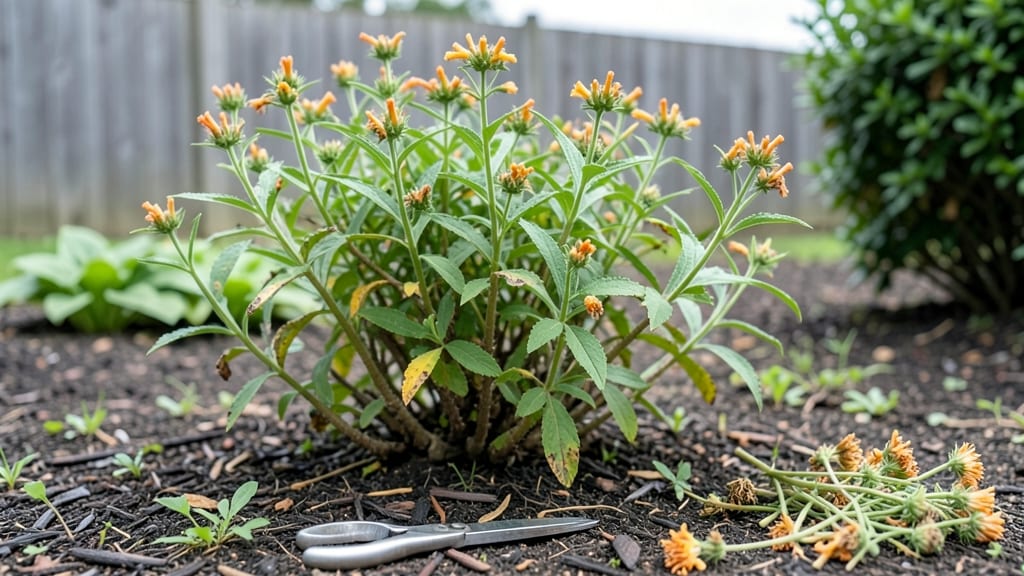
Trimming lantana plants isn't just about keeping them tidy—it's the secret to those nonstop blooms that make neighbors stop and stare. ✨ I learned this the hard way after my first lantana grew lanky and sparse, despite being labeled "low-maintenance."
The truth? These plants reward precision cuts, not just random snips.
You only need three tools: sharp bypass pruners, clean shears for larger stems, and a pair of gloves (lantana thorns are no joke). Timing matters too—cut back right after flowering to trigger new growth, and avoid heavy pruning in late fall if you're in a frost-prone zone.
Most gardeners overdo it, leaving plants stressed and bare.
What you'll end up with is a lantana that looks like it belongs in a botanical garden, not your backyard. The blooms come in waves all season, colors deepen, and the plant stays compact enough to fit in small spaces. Even my black thumb can't kill these when pruned right.
Works for both container lantanas and in-ground plants, and the same principles apply whether you're in a warm climate or a zone where they need winter protection. Let's get those shears out and turn your lantana into a blooming machine.
📚 In This Guide
- What you need
- Instructions
- Tips and common mistakes
- Wrapping up and next steps
What you need
- ● Pruning shears: Sharp, bypass-type shears (4-6 inches) for clean cuts. Sterilize with rubbing alcohol between plants to prevent disease.
- ● Loppers: Heavy-duty (8-10 inches) for thicker stems—great if your lantana has woody growth.
- ● Garden gloves: Cut-resistant gloves (size medium/large) to protect your hands from thorns and sap.
- ● Disposable pruning bags: 2-3 large bags (10+ gallons) to collect clippings and keep your workspace tidy.
- ● Hose or water sprayer: To rinse tools and clean wounds on plants post-pruning.
- ● Hand pruners: For delicate trimming of small stems or shaping.
- ● Saw: A small pruning saw (6-8 inches) for stubborn, thick branches.
- ● Plant food: Balanced fertilizer (10-10-10 ratio) to nourish your lantana after trimming.
- ● Mulch: Organic mulch (2-3 inches) to retain moisture and protect roots.
- ● Safety glasses: If your lantana is particularly thorny or you’re working near your face.
- ● Check the weather: Trim on a dry, overcast day to reduce stress on the plant.
- ● Identify your lantana’s growth pattern: Look for woody stems (older plants) vs. tender new growth (younger plants).
- ● Have a clear goal in mind: Are you shaping, rejuvenating, or encouraging blooms?
Step-by-Step instructions for trimming lantana plants
Here's how to keep your lantana flowering nonstop—just 3 strategic cuts a year will transform a scraggly bush into a vibrant, blooming powerhouse.
✂️ Step 1: Spring Pruning for Bushier Growth
Start in early spring, right after your last frost date, when new growth begins. Grab your pruning shears and cut back each stem by about one-third—that means snipping just above a leaf node or lateral branch. You'll see a tangle of woody stems, but don't worry, this jumpstarts fresh, bushier growth.
I like to work in stages: first tackle the longest, leggiest stems. Watch for where the stem starts to thicken—this is your cue for where to make the cut. Avoid cutting into old, bare wood; you want to encourage new shoots from the upper portions. After trimming, you'll notice how much more open the plant looks—this improves airflow and prevents disease.
☀️ Step 2: Mid-Season Deadheading for Continuous Blooms
Every 4-6 weeks during the growing season, remove spent flowers by pinching or cutting just above the next set of leaves. This might seem counterintuitive—why cut off blooms?—but it forces the plant to focus energy on producing new flowers instead of setting seed. I do this on a dry morning when the flowers are fully open and faded.
Use your fingers for small clusters or shears for larger stems. You'll see fresh buds forming within 2-3 weeks of deadheading. This is the secret to lantana's legendary nonstop blooming. If you skip this, the plant will shift energy to seed production, and your flowers will dwindle. I promise, the difference is dramatic—your lantana will look like it's in perpetual bloom.
⏰ Step 3: Fall Cleanup for Winter Readiness
When temperatures drop below 50°F at night, it's time for your final trim. Cut back all stems by about half their height, but leave at least 6 inches of growth. This prevents winter dieback and gives the plant a fresh start in spring. I always do this after the first hard frost when the plant has gone dormant.
Remove any dead, diseased, or crossing branches completely. You'll be left with a more compact shape that's easier to manage in spring. Don't worry about the plant looking bare—lantana stores energy in its roots and will rebound quickly. This final trim also reduces winter pests hiding in dense foliage. After pruning, give the base a light mulch layer to protect roots from freezing temperatures.
Tips & tricks for perfect lantana pruning
Transforming your lantana into a blooming powerhouse takes more than just snipping—it's about strategic timing and technique. Here's what I've learned after years of keeping mine vibrant.
Spring Pruning Precision: When you're cutting back those woody stems by one-third in Step 1, focus on the upper portions where new growth emerges. I've found that cutting just above a leaf node or lateral branch creates the perfect spot for new shoots to develop. This is where most gardeners go wrong—they cut too low into old wood, leaving no room for fresh growth. After trimming, step back and admire how much more open your plant looks—this improved airflow is key to preventing fungal diseases.
Deadheading Timing Secret: The 4-6 week interval between deadheading sessions in Step 2 is crucial for continuous blooms. I've discovered that doing this on a dry morning when flowers are fully faded gives the cleanest results. Use your fingers for small clusters to avoid damaging new buds, and always cut just above the next set of leaves. This simple technique forces your lantana to redirect its energy into producing more flowers instead of seeds, which is why you'll see fresh buds forming within just 2-3 weeks.
Fall Cleanup Strategy: When temperatures drop below 50°F in Step 3, your final trim should be aggressive but strategic. Cutting back stems by half their height while leaving at least 6 inches of growth creates the perfect balance. I've learned that leaving too little growth can stress the plant, while leaving too much creates hiding spots for pests. After pruning, that light mulch layer around the base is your plant's winter blanket—it protects roots from freezing temperatures while allowing moisture to penetrate.
Equipment Upgrade: Invest in a good pair of bypass pruning shears—they make clean cuts that heal faster than the jagged edges from anvil-type shears. I also keep a small pair of sharp scissors in my gardening tool belt for those tricky deadheading jobs. And don't forget to sterilize your tools between cuts with rubbing alcohol—this prevents spreading disease from plant to plant.
Pro Tips for Trimming Lantana Plants
- Transforming your lantana into a blooming powerhouse takes more than just snipping—it's about strategic timing and technique.
- Spring Pruning Precision: When you're cutting back those woody stems by one-third in Step 1, focus on the upper portions where new growth emerges.
- Deadheading Timing Secret: The 4-6 week interval between deadheading sessions in Step 2 is crucial for continuous blooms.
Frequently asked questions
Got questions about keeping your lantana plants lush and blooming? Here are some of the most common queries—and their answers—to help you trim with confidence!
When is the best time to trim lantana plants?
Lantana thrives with year-round trimming, but the best time is after flowering (late spring/early summer) to encourage new growth. Light pruning can also happen in early spring to shape the plant. Avoid heavy cuts in fall—let them rest before winter!
How much can I cut back lantana without harming it?
You can safely trim up to ⅓ of the plant’s height at once, but avoid over-pruning. Lantana is resilient and will bounce back, but drastic cuts may reduce blooms. For bushier growth, focus on trimming just above a leaf node or pair of leaves.
Will trimming lantana make it bloom more?
Regular trimming stimulates new flower production
by promoting fresh growth. Prune spent blooms (deadheading) and shape the plant to remove leggy stems. The more you trim, the more vibrant and full your lantana will look!
What if my lantana looks sad after trimming?
Don’t worry—lantana recovers quickly! If it looks stressed, ensure it’s in full sun (6+ hours/day) and well-drained soil. Water lightly after pruning, but avoid overwatering. Yellow leaves? Check for root rot or pests like aphids.
Are there alternatives to pruning if I don’t want to trim?
If you prefer a hands-off approach, lantana will still grow—but it may become woody and less bushy. For a neater look without pruning, try pinching back tips occasionally or let it grow wild in informal gardens. Just know: regular trimming = more blooms!
Wrapping up and next steps
Trimming your lantana plants doesn’t have to be a chore—it’s your secret weapon for vibrant, year-round blooms! With just three precision cuts, you can keep your lantana lush, encourage new growth, and even control its spread.
Whether you’re a seasoned gardener or a beginner, these simple steps will transform your garden into a colorful paradise. 🌸
Ready to take action? Grab your pruners and get started today! Your lantana will thank you with nonstop beauty—and so will your garden. For extra tips, check out our full guide and watch your plants thrive!