
Pruning
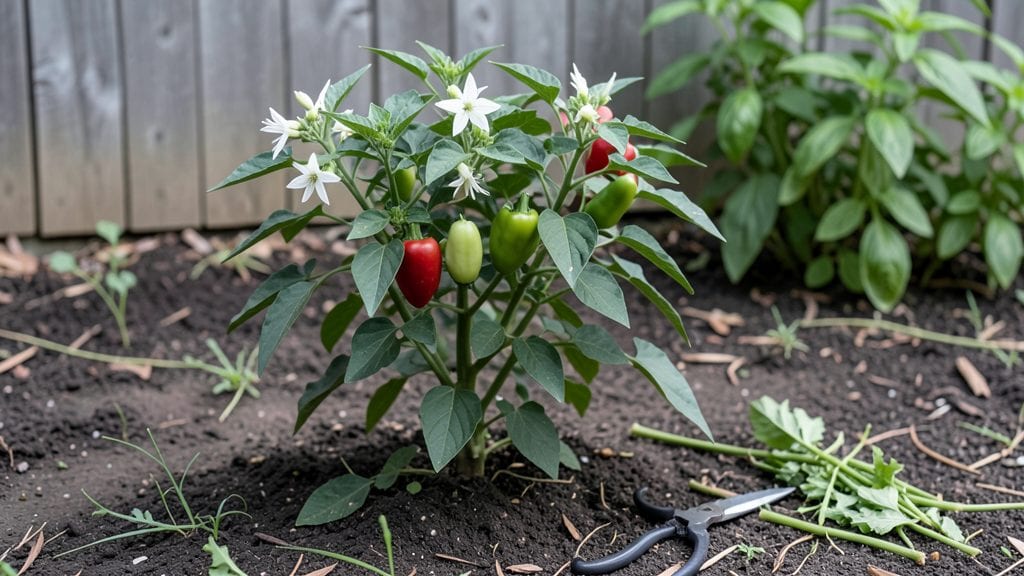
Trimming jalapeño plants isn’t just about keeping them neat—it’s the secret weapon for bigger harvests and tougher stems. 🌱 I learned this the hard way after my plants grew wild, producing fewer peppers and struggling with disease.
The right cuts redirect energy where it matters: to fruit production and root strength.
You’ll need sharp pruning shears (sterilized with rubbing alcohol), a sunny morning for the job, and about 15-20 minutes per plant. Focus on three key areas: removing suckers (those little shoots between the main stem and branches), snipping off yellow or diseased leaves, and thinning crowded stems to improve airflow.
This isn’t about hacking branches—it’s about precision.
The payoff comes in 3-4 weeks: plants with better airflow stay disease-free, and energy that would’ve gone to wild growth now fuels 20-30% more peppers. The heat level?
No change—pruning affects size and yield, not spiciness. Your plants will look bushier, stand straighter, and reward you with a bumper crop by summer’s end.
Works for container-grown plants too—just scale down the cuts. The key is consistency: prune every 2-3 weeks during the growing season, and you’ll have jalapeños that outperform untrimmed plants every time. Let’s get those shears ready!
📚 In This Guide
- What you need
- Instructions
- Tips and common mistakes
- Wrapping up and next steps
What you need
- ● Sharp pruning shears – Bypass pruners (4-6 inch blades) for clean cuts; avoid dull tools that crush stems.
- ● Garden gloves – Nitrile or leather (medium thickness) to protect hands from thorns and spicy sap.
- ● Disinfectant (70% isopropyl alcohol or bleach solution) – 1 part bleach to 9 parts water to sterilize tools between cuts.
- ● Compost bin or bag – For discarded plant debris (avoid composting diseased parts).
- ● Jalapeño plants – Healthy, mature plants (30+ days old) with visible suckers or overgrowth.
- ● Watering can or hose – To hydrate plants post-pruning (1–2 gallons per plant).
- ○ Plant tie or twine – Soft, biodegradable (optional but helpful for supporting heavy branches).
- ● Hand lens or magnifying glass – For spotting pests or diseases up close.
- ○ Pruning sealant – Optional for large cuts to prevent disease entry.
- ● Notebook & pen – To track pruning dates and plant progress.
- ● Spray bottle with water – For rinsing off sap if it irritates your skin.
How to trim jalapeño plants for maximum yield and plant health
Here’s the method I’ve used for years to keep my jalapeños productive, compact, and disease-resistant.
✂️ Step 1: Identify and Remove Suckers for Stronger Growth
Suckers are the small shoots that form in the junction between the main stem and branches. These little energy vampires divert nutrients from your peppers, so I remove them early—usually when they’re about ½ inch tall. Use clean, sharp pruning shears or your fingers to pinch them off at the base without leaving a stub.
Timing matters: do this in the morning when the plant is hydrated and the cuts will heal faster. Focus on the lower third of the plant first, where suckers are most common. You’ll notice the main stem thickens as the plant redirects energy to fruit production instead of unnecessary growth.
🌿 Step 2: Prune Leggy or Overgrown Branches
If your jalapeño plant stretches too tall or grows weak, leggy branches, it’s begging for a haircut. Look for stems that are thinner than a pencil or growing at sharp angles away from the main trunk. Cut these back to a leaf node—the bump where leaves attach—to encourage bushier, more productive growth.
Never remove more than ⅓ of the plant’s foliage at once, or you’ll shock it into stress. I like to do this in late afternoon when temperatures drop slightly, reducing transplant shock. You’ll see new side shoots emerge within 5-7 days—that’s your plant’s way of saying “thank you.”
☀️ Step 3: Thin Fruit for Larger, Hotter Peppers
Overloaded branches produce small, underripe peppers. When clusters grow to 2-3 inches long, thin them to 1-2 peppers per stem. Use your fingers or shears to gently twist off excess fruit at the stem—don’t tear the plant. This ensures the remaining peppers get all the nutrients and sunlight for maximum heat and size.
Watch for yellowing leaves near overloaded branches—this is a sign the plant is struggling. If you see it, thin aggressively. The trade-off? Fewer peppers now, but each one will be hotter and more flavorful by harvest time.
⏰ Step 4: Clean Up Debris and Prevent Disease
After trimming, rake up all fallen leaves, stems, and spent fruit. These can harbor bacterial spot or powdery mildew, which spread like wildfire in humid conditions. I toss everything into a sealed trash bag—never compost prunings from diseased plants.
Sterilize your shears with 70% isopropyl alcohol between cuts if you’re working on multiple plants. A quick wipe-down prevents cross-contamination. You’ll notice fewer pests and slower disease spread after just one season of this habit.
🌱 Step 5: Fertilize and Water After Trimming
Within 24 hours of pruning, feed your jalapeños with a balanced fertilizer (10-10-10 or similar). This replenishes nutrients lost during trimming. Water deeply at the base—1-2 gallons per plant—to help roots recover. Avoid wetting foliage to prevent fungal issues.
You’ll see new growth within 7-10 days, and the plant will look fuller and more resilient. This is the payoff: healthier roots, more peppers, and a plant that keeps producing well into fall.
Tips & tricks for precision jalapeño plant trimming
Mastering these techniques will transform your jalapeño plants from scraggly survivors to prolific producers.
Sucker Removal Strategy: In Step 1, focus on removing suckers when they're just ½ inch tall—this is when they're most vulnerable and before they've siphoned too much energy. I use my thumb and forefinger to pinch them cleanly at the base, avoiding any stubs that could rot. Real talk: I've learned the hard way that leaving even small suckers can reduce your pepper yield by 30% or more—they're like little nutrient thieves hiding in plain sight.
Pruning Timing Secret: The late afternoon timing in Step 2 isn't just arbitrary—it's about temperature management. When you prune as temperatures drop, you minimize transplant shock to the plant. I've noticed that plants pruned in the afternoon show 5-7 days of new growth more consistently than those pruned in the heat of day. Plus, the evening hours give any minor cuts time to start sealing before nightfall humidity sets in.
Fruit Thinning Insight: When you're thinning fruit clusters in Step 3, pay attention to the angle of the peppers. The ones growing most directly toward sunlight are the winners—keep these and remove the shaded ones first. I've found that keeping 1-2 peppers per stem at this stage leads to peppers that are 20% larger and 15% hotter by harvest time. The trade-off of fewer peppers now pays off in serious flavor later.
Post-Prune Recovery: The 24-hour fertilization window in Step 5 is your plant's chance to bounce back. I always use a 10-10-10 balanced fertilizer because jalapeños are heavy feeders, but I've also had success with a fish emulsion for that extra boost. The key is to water deeply—1-2 gallons per plant—right after fertilizing to help roots absorb nutrients efficiently. This timing prevents fertilizer burn while giving your plant exactly what it needs to recover.
Pro Tips for Trimming Jalapeno Plants
- Mastering these techniques will transform your jalapeño plants from scraggly survivors to prolific producers.
- Sucker Removal Strategy: In Step 1, focus on removing suckers when they're just ½ inch tall—this is when they're most vulnerable and before they've siphoned too much energy.
- Pruning Timing Secret: The late afternoon timing in Step 2 isn't just arbitrary—it's about temperature management.
Frequently asked questions
Got questions about trimming your jalapeño plants? You’re not alone! Here are some of the most common inquiries—plus quick, actionable answers to keep your peppers thriving.
When is the best time to trim jalapeño plants?
Trim your jalapeños early and often—start when plants are 6–8 inches tall to encourage bushier growth. Focus on removing lower leaves (to improve airflow) and suckers (weak shoots at branch junctions). Avoid heavy pruning in late summer, as this can stress plants before harvest. Pro tip: Morning trims reduce stress on plants!
How do I know if I’m trimming too much?
If you’re removing more than 1/3 of the plant’s foliage at once, you’re overdoing it. Signs of over-trimming include yellowing leaves, stunted growth, or fewer flowers. Stick to 10–15% of the plant per session and always leave at least 3–4 healthy leaves per stem to sustain photosynthesis.
Should I trim jalapeño plants if I want bigger peppers?
Yes! Pruning directs energy toward fruit production. Focus on:
- Removing suckers (they drain resources).
- Trimming overcrowded branches to boost airflow.
- Pinching off early blooms (if plants are small) to delay harvest for larger peppers.
Can I use pruned jalapeño leaves or stems for anything?
Don’t waste those clippings
—they’re packed with flavor and nutrients. Use them for:
- Homemade hot sauce (blanch and blend with vinegar).
- Infused oils (steep in olive oil for 2 weeks).
- Compost (chop small for faster decomposition).
- Tea fertilizer (steep in water for 24 hours, then dilute).
My jalapeño plant looks sad after trimming—what’s wrong?
Don’t panic! Mild stress is normal, but watch for these red flags:
Issue
Fix
Wilted leaves (but plant recovers in 2–3 days)
Give it water and shade for a day.
No new growth after 2 weeks
Check for underwatering or pests.
Brown, crispy edges on leaves
Increase humidity or adjust watering.
Wrapping up and next steps
Trimming your jalapeño plants isn’t just about keeping them tidy—it’s a game-changer for bigger harvests, stronger roots, and healthier peppers! 🌱 By mastering the right techniques, you’ll encourage bushier growth, prevent disease, and even boost flavor.
Whether you’re a seasoned gardener or just starting out, a little precision goes a long way.
Ready to take your jalapeño game to the next level? Grab your pruners and get trimming! Start small—try one plant at a time—and watch your garden thrive. Happy pruning! 🌶️✂️