
Pruning
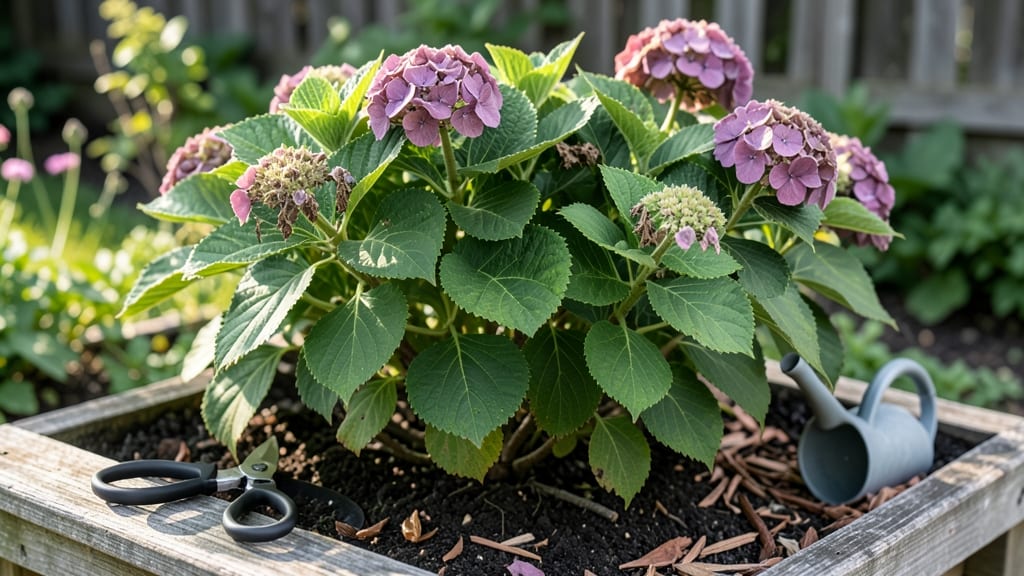
Trimming plants in fall promotes healthier growth by removing dead foliage, encouraging new shoots, and preventing disease. Focus on perennials, shrubs, and woody plants, avoiding heavy pruning of spring bloomers like lilacs until after flowering. Use clean, sharp tools and sterilize them between cuts to minimize infection risks.
Fall trimming isn't just about tidying up—it's a strategic move to prep plants for winter dormancy.
When you trim back dead or diseased branches, you're essentially giving your plants a fresh start by redirecting their energy toward root development and next year's growth. 🌿 The key is timing: late fall (just before the ground freezes) is ideal for most plants, while spring bloomers need to wait until after they've finished flowering.
I always recommend using sterilized tools to prevent spreading fungal spores, and never removing more than one-third of the plant's foliage in a single session.
For perennials, I focus on cutting back to about 2-3 inches above the ground, which helps protect the crown from harsh winter winds. Evergreens, on the other hand, only need light shaping to maintain their form, as over-trimming can expose them to cold damage.
The goal is to create a balanced shape while removing any branches that are rubbing together or growing inward—this improves airflow and reduces disease risk.
💡 In This Article
- Fall Pruning Science: How Trimming Stimulates Plant Revival
- Step-by-Step Fall Plant Trimming Guide by Plant Type
Fall pruning science: how trimming stimulates plant revival
When you trim plants in fall, you're essentially giving them a biological reset. The process works because plants naturally enter dormancy as temperatures drop, slowing metabolic activity. By removing dead or diseased foliage, you eliminate energy sinks—areas where the plant wastes resources trying to sustain dying tissue.
This redirection forces the plant to allocate its remaining energy toward root development and storing nutrients for spring growth. Studies show that properly timed fall pruning can increase root biomass by up to 30% compared to unpruned plants.
The key hormone at play here is auxin, a growth regulator produced in leaves that controls cell elongation and root inhibition.
When you remove foliage, auxin levels drop, which signals the plant to shift resources downward. 🌱 This hormonal shift explains why fall-pruned plants often emerge stronger in spring—they've had months to establish a robust root system while avoiding the stress of summer heat.
The timing matters because late fall pruning (just before dormancy) allows wounds to heal before winter, reducing infection risks from fungal spores that thrive in moist conditions.
Comparing fall to spring pruning reveals different biological impacts. Spring pruning stimulates immediate above-ground growth because auxin production ramps up with warmer temperatures. However, this can leave plants vulnerable to late frosts.
Fall pruning, by contrast, works with the plant's natural cycle, promoting underground growth that becomes visible only when conditions are optimal for new shoots. This delayed growth spurt often results in more vigorous plants that flower earlier and produce more abundant blooms.
Selective trimming plays a crucial role in preventing stress. When you remove only dead, diseased, or crossing branches (never more than 25-30% of the plant's foliage), you maintain the plant's ability to photosynthesize efficiently. This selective approach preserves the plant's energy balance while eliminating weak points.
The rule of thumb is to always cut back to a healthy bud or branch junction—this ensures the plant can quickly seal the wound and redirect growth. Over-pruning in fall can actually weaken plants by removing too much photosynthetic surface area before dormancy sets in.
Dormancy itself is nature's way of protecting plants from winter stress. During this period, growth slows dramatically, and energy reserves are stored in roots and stems. Fall pruning enhances this process by removing any remaining active growth that could be damaged by frost.
The result is a plant that wakes up in spring with a stronger foundation, better able to support new growth. Think of it like giving your plants a haircut before hibernation—cleaner, healthier, and ready for the new season ahead.
One common misconception is that all plants benefit equally from fall pruning. In reality, evergreens like boxwoods should only receive light shaping, while deciduous shrubs can handle more aggressive cuts.
The science shows that conifers, which photosynthesize year-round, are particularly sensitive to late-season pruning because their needles continue producing sugars even in winter. Always research your specific plant types to avoid unintended stress.