Pruning
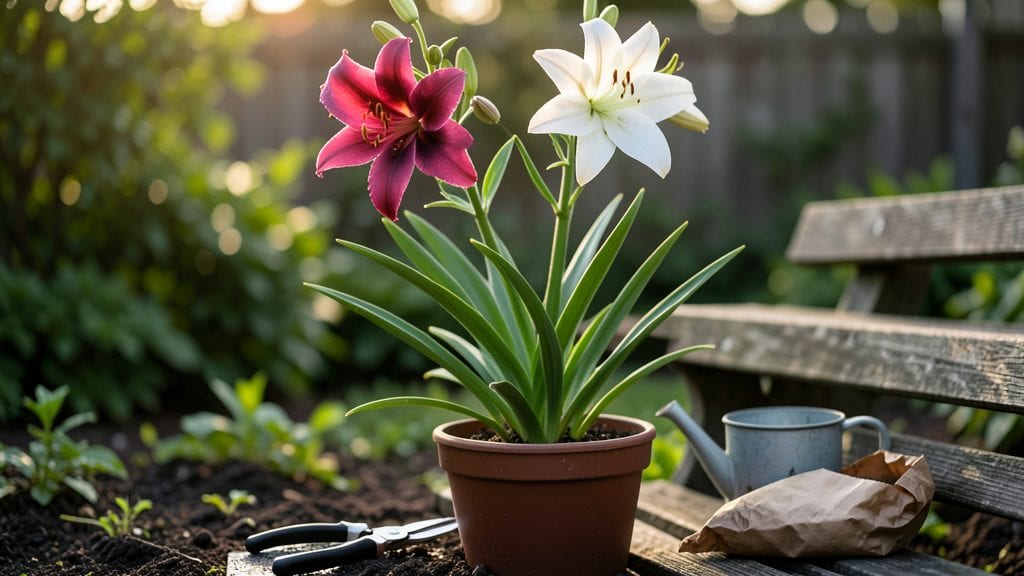
Trimming your lily plant isn’t just about tidying up—it’s the secret to year-round blooms that keep coming back stronger than ever. 🌸 I’ve learned the hard way that skipping this step means fewer flowers and weaker stems, but two simple cuts change everything.
The right timing and technique make all the difference, whether you’re dealing with daylilies or true lilies.
You only need a few basic tools: sharp pruning shears, gloves, and maybe some disinfectant to keep cuts clean. The key is knowing when to trim—right after blooms fade for daylilies, and in late fall for true lilies.
This isn’t complicated, but doing it wrong can stress your plants or invite pests. I’ll show you exactly where to cut to encourage fresh growth without sacrificing next season’s flowers.
After trimming, your lilies will bounce back with bold new leaves and even more blooms than before. The foliage stays lush, the stems stay sturdy, and you’ll notice fewer brown spots or wilted blooms by next spring.
This method works for both garden beds and containers, so no matter where your lilies live, they’ll thrive.
Fair warning: Over-trimming or cutting at the wrong time can set you back, but once you get the rhythm, it takes just 10 minutes a season. The payoff? Lilies that bloom longer, look healthier, and keep coming back year after year—no matter what zone you’re in.
📚 In This Guide
- What you need
- Instructions
- Tips and common mistakes
- Wrapping up and next steps
What you need
- ● Pruning shears or bypass pruners – Sharp, clean, and sterilized (avoid dull tools that crush stems). A 10-12 inch blade works best.
- ● Garden gloves – Heavy-duty, cut-resistant (lily stems can be sharp!). Opt for nitrile-coated for grip.
- ● Disinfectant (70% isopropyl alcohol or hydrogen peroxide) – To sterilize tools before and after trimming.
- ● Compost bin or bag – For trimming waste (lily debris can harbor pests if left in the garden).
- ● Watering can or hose – With a fine-mist nozzle for post-trim hydration.
- ● Lily plant (healthy, mature specimen) – At least 2–3 years old for best results (young plants may not need trimming).
- ● Hand pruners (smaller, for delicate cuts) – For trimming spent blooms or small stems.
- ● Rubbing alcohol wipes – Quick tool sterilization between cuts.
- ● Plant food (balanced fertilizer, 10-10-10 ratio) – Apply 2–4 weeks after trimming to boost regrowth.
- ● Mulch (organic, like shredded bark) – To protect roots after trimming.
- ● Notebook & pen – To track trimming dates and plant responses.
Simple year-round trimming for lily plants
Two strategic cuts keep lilies blooming abundantly while preventing disease. Here's how to do it right.
✂️ Step 1: Deadhead Spent Blooms After Flowering
Use clean, sharp pruners to snip off the entire flower stalk 1-2 inches below the faded bloom. This prevents the plant from wasting energy on seed production. I always do this after the petals fully drop—waiting too long lets seeds form, which weakens next year's growth.
Look for stems that have lost all color and feel dry to the touch. Cut at a 45-degree angle to increase surface area for faster healing. Avoid leaving stubs—this invites fungal infections. Wear gloves if your lilies have sharp leaf edges.
✂️ Step 2: Cut Back Foliage in Late Fall
After the first hard frost when leaves turn brown, trim all foliage down to 2-3 inches above ground level. This prevents disease buildup in dead leaves over winter. I use sterilized pruners to avoid spreading pathogens between cuts.
Don't remove leaves too early—they feed the bulbs until frost. Wait until they're completely brown and crisp. For tropical lilies, cut back only the dead portions and leave the rest until spring. Mulch heavily after cutting to protect the crown from freezing temperatures.
🌱 Step 3: Monitor for New Growth in Early Spring
In early spring, watch for new shoots emerging from the ground. Once they reach 4-6 inches tall, trim any remaining dead foliage at the base. This clears space for fresh growth and improves air circulation.
I always check for signs of rot or mold at this stage. If you see blackened stems or mushy bulbs, remove those plants immediately. Healthy new growth should be firm, upright, and bright green. Fertilize lightly with bulb-specific food once you see consistent new growth.
⏰ Step 4: Maintain Year-Round with Light Pruning
Throughout the growing season, remove any yellowed or damaged leaves by cutting them at the base. This keeps the plant focused on producing flowers rather than repairing damaged tissue. I do this every 2-3 weeks during active growth.
For lilies that produce new shoots from the base, trim these back to 6 inches tall to encourage bushier growth. Never cut more than one-third of the foliage at once—this stresses the plant. Water deeply after pruning to help the plant recover quickly.
Tips & tricks for perfect lily plant trimming
These simple tricks will help you keep your lilies thriving year after year with minimal effort.
Timing is Everything: In Step 1, don't rush to deadhead those spent blooms. The petals need to fully drop and the stems must feel completely dry to the touch before cutting. I've learned this the hard way—cutting too early can shock the plant and reduce next year's blooms. Look for stems that have lost all color and feel papery thin.
Tool Prep Matters: Before you start trimming, sterilize your pruners with rubbing alcohol to prevent spreading disease between cuts. I keep a small bottle of 70% isopropyl alcohol handy and wipe down my tools after each cut. This is especially important in Step 2 when cutting back foliage in late fall, where disease prevention is critical.
Seasonal Adjustments: For tropical lilies mentioned in Step 2, only cut back the dead portions and leave the rest until spring. These varieties don't go completely dormant like hardy lilies. I mark my calendar to remember this difference—tropical lilies need that extra foliage to continue photosynthesizing through mild winters.
Visual Growth Check: In Step 3, when monitoring for new growth, look for shoots that are firm and upright. Healthy new growth should be bright green and have a slight glossiness. If you see shoots that are yellowing or mushy at the base, remove them immediately—they're likely rotting and can spread disease to healthy plants.
Pro Tips for Trim Lily Plant
- These simple tricks will help you keep your lilies thriving year after year with minimal effort.
- Timing is Everything: In Step 1, don't rush to deadhead those spent blooms.
- Tool Prep Matters: Before you start trimming, sterilize your pruners with rubbing alcohol to prevent spreading disease between cuts.
Frequently asked questions
When is the best time to trim lilies?
Trim lilies after they finish blooming (late spring to early summer) to redirect energy into next year’s flowers. For Asiatic or Oriental lilies, cut back foliage once it yellows (6–8 weeks post-bloom). Stargazer or Martagon lilies? Wait until leaves brown completely—they store nutrients for future blooms!
How much should I cut back my lily plant?
Leave 1/3 of the foliage (about 6–12 inches tall) after blooms fade. This balances aesthetics and health—too much trimming starves the bulb, while too little risks disease. For tiger or daylilies, cut spent stems to the ground but leave healthy leaves until they yellow naturally.
What if my lilies aren’t blooming after trimming?
No blooms? Check these fixes:
- Sunlight: Lilies need 6+ hours of direct sun daily.
- Soil: Amend with compost for nutrients (they’re hungry plants!).
- Age: Bulbs need 2–3 years to mature before blooming reliably.
- Over-trimming: Avoid cutting all leaves—save some for photosynthesis!
Can I trim lilies in winter?
Only if they’re completely dead (brown stems, no leaves). Otherwise, wait until spring (March–April in most zones). Winter trimming risks damaging dormant bulbs or inviting pests. Exception: Remove moldy or diseased foliage immediately to prevent spread.
What’s the difference between pruning lilies and daylilies?
| Lilies (True Lilies) | Daylilies (Hemerocallis) |
|---|---|
| Cut spent flower stems at the base after blooming; trim 1/3 of foliage later. | Deadhead spent blooms regularly to encourage reblooming. Cut back entire foliage to 6 inches in fall. |
| Bulbs are perennial but need rest after blooming. | Clumps spread aggressively—divide every 3–4 years. |
Pro tip: Label your plants! True lilies die back completely in winter, while daylilies stay green.
Wrapping up and next steps
Trimming your lily plant doesn’t have to be intimidating—just a simple two-step process can keep it thriving and blooming beautifully year-round! 🌸 By removing spent blooms and pruning leggy stems, you’ll encourage stronger growth, more vibrant flowers, and a healthier plant.
Whether you’re a gardening pro or just starting, these easy cuts make all the difference.
Now that you’re armed with the know-how, grab your pruners and get trimming! 🌱 Watch your lilies reward you with stunning blooms season after season—your green thumb is about to shine. Happy gardening!