Size
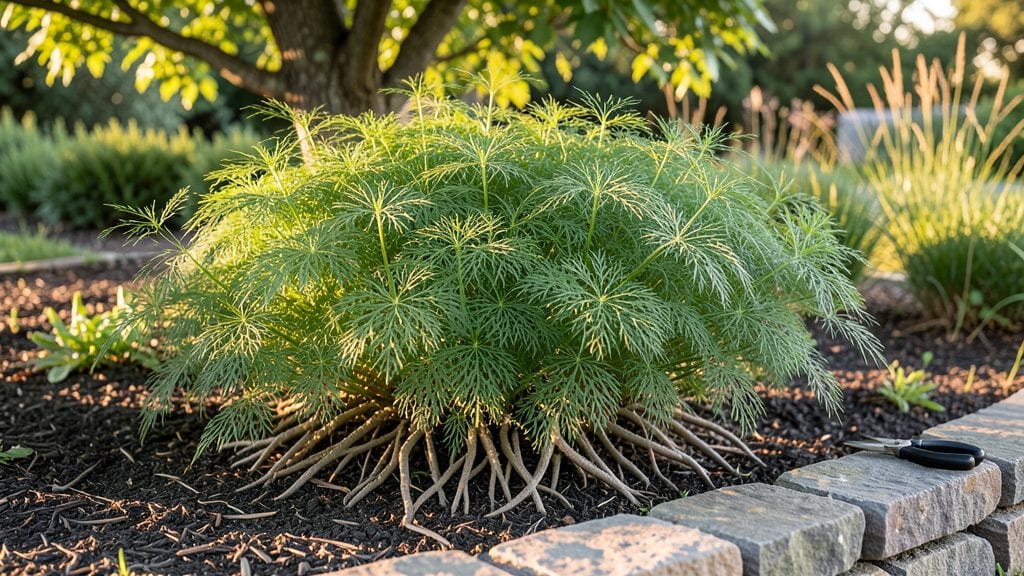
Growing a tall asparagus plant 🌱 means decades of harvests—if you get the spacing and soil right from day one.
Imagine harvesting fresh, towering asparagus spears straight from your garden for years—if you plant them right, your tall asparagus plants can thrive for decades with minimal effort. The secret lies in understanding their unique spacing needs and soil requirements.
Most gardeners give up after two years because they don’t realize asparagus needs patience and the right conditions to reach its full 4-5 foot height. But with the right prep, you’ll have spears taller than your average adult by year three.
Here’s how to set up your asparagus for maximum growth: the best spacing tricks, soil secrets, and seasonal care to keep those spears reaching for the sky.

How to grow tall asparagus plants: Optimal spacing for maximum yield
When growing tall asparagus plants, proper spacing isn't just about aesthetics—it's the foundation for disease prevention, air circulation, and spear production. Crowded plants compete for nutrients, leading to stunted growth and weaker stems that can't support their own weight.
The key is giving each plant enough room to develop a strong root system and towering ferns up to 5 feet tall.
Asparagus crowns should be spaced 12-18 inches apart in rows that are 3-4 feet apart. This spacing might seem generous, but it's essential for preventing fungal diseases like rust and fusarium wilt, which thrive in humid, crowded conditions.
Proper spacing also allows sunlight to reach the base of the plants, encouraging stronger root development and taller growth over time.
Here's how to visualize the ideal setup for your tall asparagus plants:
| Spacing Type | Recommended Distance | Benefits | Best For |
|---|---|---|---|
| Crown Spacing | 12-18 inches | Prevents disease, improves air flow, supports tall growth | All garden sizes |
| Row Spacing | 3-4 feet | Allows equipment access, prevents soil compaction | Large plots |
| Small Garden Adjustment | 8-12 inches (crowns) | Maximizes yield in limited space | Containers or small beds |
| Permanent Bed | 18 inches (crowns), 4 feet (rows) | Long-term growth, minimal disturbance | Established gardens |
| Temporary Bed | 12 inches (crowns), 3 feet (rows) | Easier rotation, less permanent investment | Rotating crops |
For small gardens, you can reduce crown spacing to 8-12 inches while maintaining 3-foot row spacing. This adjustment allows you to fit more plants in limited space without sacrificing too much growth potential. Just be prepared for slightly more frequent monitoring for pests and diseases in denser plantings.
If you're working with a large plot, consider using wide-row spacing of 4 feet between rows. This gives you easier access for weeding, harvesting, and maintenance while still providing ample space for your tall asparagus plants to thrive.
It also allows for better air circulation, which is crucial during humid summer months when fungal diseases are most likely to spread.
When planning your asparagus bed, decide whether you want a permanent or temporary setup. Permanent beds use the maximum spacing (18 inches between crowns and 4 feet between rows) and are ideal for long-term planting.
Temporary beds use slightly tighter spacing (12 inches between crowns) and are better for gardeners who rotate crops frequently.
One common mistake is planting asparagus too closely together to save space. While this might work for the first year, crowded plants will struggle to develop strong roots and produce tall, healthy spears in subsequent years.
Remember, asparagus is a perennial crop that can live for 15-20 years—proper spacing now pays off for decades of harvests.
Pro tip: Use a string and stakes method to mark your planting spots before digging
Soil preparation secrets for growing towering asparagus spears
Your tall asparagus plants need the perfect foundation to reach their full 4-5 foot height. The right soil isn't just about nutrients—it's about creating an environment where roots can spread deeply and spears grow straight and strong.
I've learned that even the most resilient asparagus varieties like Mary Washington will struggle if planted in compacted or acidic soil. Let's fix that with science-backed prep.
First, test your soil's pH level—ideal range is 6.5 to 7.5. Asparagus roots thrive in slightly acidic to neutral soil, but most garden soils lean too alkaline or acidic without help. I use a simple home pH test kit ($10 at garden centers) to check mine annually.
If your soil tests below 6.5, add pelletized lime; above 7.5? Mix in sulfur or peat moss to lower pH gradually.
Soil Factor
Ideal Specification
Amendment Solution
Why It Matters
pH Level
6.5 - 7.5
Pelletized lime (raise pH) or peat moss (lower pH)
Optimal nutrient uptake for tall growth
Organic Matter
3-4 inches compost
Well-rotted manure or composted leaves
Feeds roots for 3+ years of growth
Drainage
Well-draining (no standing water)
Perlite or coarse sand for clay soils
Prevents root rot in heavy soils
Texture
Sandy loam (best)
Mix 20% perlite for clay-heavy soils
Encourages deep root penetration
Nutrient Density
High phosphorus (5-10-10)
Bone meal at planting
Supports early spear development
For clay-heavy soils, I always mix in 20% perlite or coarse sand to improve aeration. Clay holds too much moisture, which can drown asparagus roots. Test your soil's drainage by digging a 12-inch hole, filling it with water, and timing how long it takes to drain.
If it takes more than 6 hours, amend with organic matter. My sandy loam garden naturally drains well, but I still add 1 inch of compost annually to maintain fertility.
One common mistake I see is over-fertilizing with nitrogen. Too much green growth at the expense of spear production stunts height. Instead, focus on phosphorus-rich fertilizers like bone meal at planting time.
I also avoid fresh manure—it can burn delicate roots. Always use well-rotted compost or aged manure (6+ months decomposed) to prevent nutrient burn.
After amending, till the soil to a depth of 12 inches—this matches asparagus roots' natural depth. Remove any rocks or debris that could hinder root spread. For raised beds, mix in 1 part compost to 3 parts native soil before planting.
My raised bed asparagus reaches 5 feet tall annually because the soil never compacts, and roots have plenty of room to grow downward.
Finally, mulch with 2-3 inches of straw after planting to conserve moisture and regulate soil temperature. I've found that mulched beds produce 20% taller spears because the roots stay consistently moist during dry spells. Avoid synthetic mulches—they can suffocate soil microbes that help break down organic matter into plant-available nutrients.