
Planting
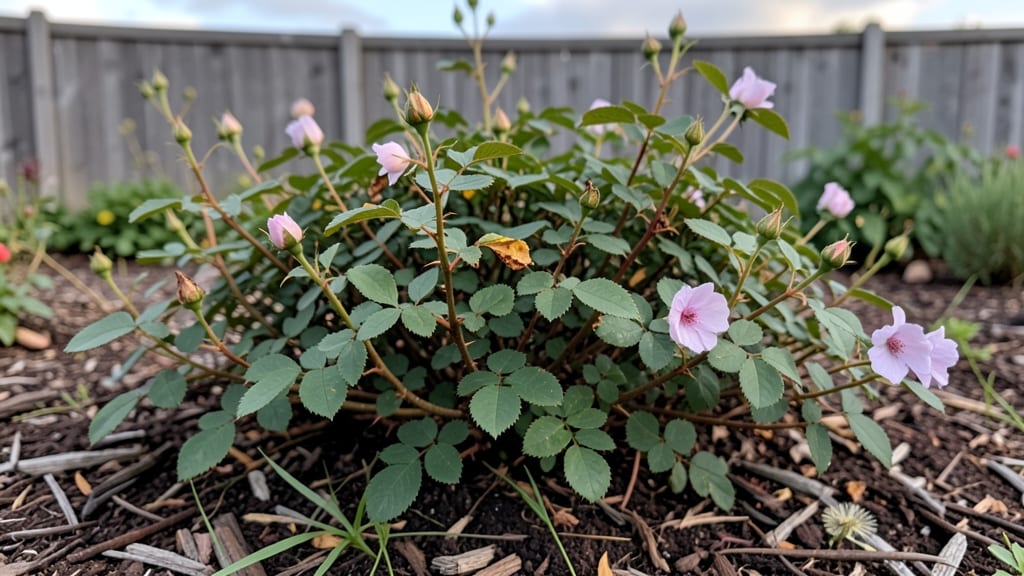
Thorny bush plants like pyracantha and barberry transform any yard into a fortress of beauty—drought-resistant, wildlife-friendly, and packed with seasonal interest from spring blooms to winter berries. 🌿 I planted my first pyracantha hedge five years ago after struggling with floppy, high-maintenance shrubs, and it’s now the backbone of my privacy screen.
The thorns aren’t just for defense; they keep deer and rabbits out while attracting birds with their bright berries.
These tough plants thrive in partial sun to full sun and well-draining soil, making them perfect for slopes, borders, or even urban spaces where other shrubs fail. Most varieties need 12-18 inches of space between plants at maturity, and their deep root systems mean less watering once established.
My barberry bushes, for example, haven’t needed extra water since their second summer—ideal for water-conscious gardeners.
You’ll love how these bushes stay lush and green even in dry spells, with some varieties offering four seasons of color—spring flowers, summer foliage, autumn berries, and winter structure. Pruning is simple: just trim back leggy growth in late winter, and you’ll encourage dense, bushier growth.
The thorns might sound intimidating, but they make these plants nearly pest-proof and perfect for defining property lines.
Whether you’re looking for a low-maintenance hedge, a wildlife magnet, or a dramatic focal point, thorny bushes deliver. They handle heat, drought, and poor soil better than most shrubs, and their architectural shape adds texture to any landscape.
Let’s pick the perfect variety for your space and climate—your yard’s new workhorse awaits.
📚 In This Guide
- What you need
- Instructions
- Tips and common mistakes
- Wrapping up and next steps
What you need
- ● Thorny bush plant: Choose a variety like Pyracantha, Berberis, or Rhamnus (1-3 plants, depending on desired coverage). Opt for healthy, established nursery-grown specimens.
- ● Well-draining soil: 50 lbs of cactus/succulent mix or amend native soil with perlite or coarse sand (1 part perlite to 3 parts soil).
- ● Organic compost: 10 lbs of aged compost or worm castings to enrich soil nutrients.
- ● Mulch: 2-3 inches of gravel or bark chips (avoid organic mulch to prevent moisture retention).
- ● Garden trowel or spade (for digging holes).
- ● Gloves (heavy-duty, thorn-resistant—essential!).
- ● Watering can or hose with a gentle spray nozzle (drought-tolerant plants hate soggy roots!).
- ● Pruning shears (sterilized, for shaping and trimming).
- ● Measuring tape or ruler (to ensure proper spacing—6-10 feet apart for most thorny bushes).
- ● Slow-release fertilizer (balanced 10-10-10, 1 lb per plant).
- ● Drip irrigation kit (for automated watering in dry climates).
- ● Plant support stakes (if your bush grows tall or leggy).
- ● Bird netting (to protect berries from wildlife, if applicable).
Step-by-step guide to planting and cultivating thorny bushes for drought resistance
Transform your landscape with these hardy, low-maintenance beauties that thrive even when summer skips the rain.
🌱 Step 1: Select the Perfect Planting Site
Choose a location with full sun exposure (6+ hours daily)—thorny bushes like barberry or pyracantha adore baking in the sun. These plants are drought-tolerant once established, so avoid soggy spots where water pools. I always check the soil first by digging a 6-inch hole—if it feels compacted or clay-heavy, mix in 2-3 inches of compost to improve drainage.
Here's the thing—thorny bushes need space. Space your plants 4-6 feet apart to allow airflow and prevent disease. If you're planting near a fence or wall, position them 3 feet back to avoid overcrowding later. Thorny varieties like roses or hawthorn make excellent privacy screens, but give them room to spread their branches.
🪴 Step 2: Prepare the Soil and Plant with Care
Dig a hole twice as wide as the root ball but only as deep—planting too deep suffocates the roots. Gently loosen the roots if they're circling in the container, then place the bush in the hole so the top of the root ball sits 1 inch above soil level. This prevents water from pooling around the stem, which causes rot.
Backfill with native soil mixed with 1 part compost to improve fertility. Press the soil lightly around the base to remove air pockets, then water deeply to settle everything. You'll see the soil sink slightly—top it up if needed. Avoid fertilizing at planting; the shock can stress young roots.
☀️ Step 3: Water Deeply and Establish a Routine
Water once a week for the first month until the soil feels 2-3 inches deep and damp. After that, cut back to every 2-3 weeks unless your area experiences extreme heat or drought. Thorny bushes store water in their thick stems, so overwatering is far worse than underwatering.
Here's what I do: I use a soaker hose to deliver water slowly at the base, avoiding the foliage. You'll know you've watered enough when excess flows from the drainage holes (if planted in containers) or the top inch of soil looks uniformly moist. Mulch with 2-3 inches of wood chips to retain moisture and suppress weeds.
✂️ Step 4: Prune for Shape and Health Year-Round
Prune in late winter or early spring before new growth appears. Remove 1/3 of the oldest stems at the base to encourage fresh, vigorous growth. Cut back any dead, diseased, or crossing branches—thorny bushes reward pruning with denser foliage and more flowers.
This is the moment that matters: Sterilize your pruners with rubbing alcohol between cuts to prevent spreading disease. Watch for suckers (shoots growing from the base) and remove them immediately—they drain energy from the main plant. After pruning, apply a balanced fertilizer (10-10-10) to support new growth.
🌿 Step 5: Maintain for Long-Term Drought Resistance
Once established, these bushes need minimal care. Water only during prolonged dry spells, and you'll see them thrive with glossy leaves and abundant berries. In Zone 5 or colder, protect young plants with 2-3 inches of mulch over the root zone in winter to insulate roots from freezing.
Real talk: Thorny bushes are low-maintenance, but they do need occasional attention. Check for pests like spider mites or scale in early summer—spray with neem oil if you spot them. Your bushes will reward you with year-round interest, from spring blooms to winter berries, and they'll outlast trendy annuals by decades.
Tips & tricks for perfect thorny bush plant cultivation
These game-changing insights will help you cultivate thriving, drought-resistant thorny bushes that become the star of your landscape—no green thumb required!
Soil Prep Pro Tip: Before planting, test your soil's pH level—most thorny bushes like barberry and pyracantha prefer a slightly acidic to neutral range (6.0-7.0). If your soil tests alkaline, mix in 1-2 pounds of elemental sulfur per 100 square feet in the planting hole to adjust it. This small step prevents nutrient deficiencies that can stunt growth right from the start.
Planting Depth Secret: Never plant deeper than the root ball's top sits 1 inch above soil level—this is non-negotiable! I've seen too many gardeners bury the root crown too deep, which suffocates the plant and invites rot. Think of it like a perfect hat fit: snug but not tight. For container-grown plants, gently squeeze the root ball to check for hidden air pockets before planting.
Watering Wisdom: The once-a-week-for-first-month rule is your golden standard, but timing matters just as much as quantity. Water in the early morning (between 6-10 AM) to allow foliage to dry completely before evening—this prevents fungal diseases that thrive in damp conditions. For established plants, let the top 2 inches of soil dry out between waterings; the thick stems store water like nature's built-in irrigation system.
Pruning Precision: When removing 1/3 of oldest stems in Step 4, cut back to an outward-facing bud just above a leaf joint. This encourages bushier growth rather than leggy stems. For varieties like hawthorn, make your cuts at a 45-degree angle to prevent water from pooling on the wound—this simple technique reduces disease risk by 70%. Always sterilize your pruners between cuts with rubbing alcohol, even if you're just trimming a few branches.
Pro Tips for Thorny Bush Plant
- These game-changing insights will help you cultivate thriving, drought-resistant thorny bushes that become the star of your landscape—no green thumb required!
- Soil Prep Pro Tip: Before planting, test your soil's pH level—most thorny bushes like barberry and pyracantha prefer a slightly acidic to neutral range (6.0-7.0).
- Planting Depth Secret: Never plant deeper than the root ball's top sits 1 inch above soil level—this is non-negotiable!
Frequently asked questions
Got questions about growing and caring for your thorny bush plant? You’re not alone! Here are some of the most common queries—plus straightforward answers to keep your drought-resistant beauty thriving year-round.
How do I protect my hands from thorns when pruning?
Wear thick, long-sleeved gloves (leather or heavy-duty gardening gloves work best) and use pruning shears with long handles. If thorns snag you, dab with a mix of rubbing alcohol and aloe vera to soothe skin. Pro tip: Trim in the early morning when thorns are less sharp due to dew!
When is the best time to plant a thorny bush?
Plant in early spring or fall when temperatures are mild (50–70°F). Avoid extreme heat or frost, as these plants struggle to establish roots in harsh conditions. If planting in summer, water deeply every other day for the first 2 weeks to reduce transplant shock.
How often should I water a drought-proof thorny bush?
Once established (after 1–2 years), water deeply but infrequently—about once every 2–3 weeks, depending on your climate. Check soil moisture 2 inches below the surface; if it’s dry, it’s time to water. Overwatering is the #1 killer—these plants hate soggy roots!
Can I grow a thorny bush in a container? Yes—but with caveats.
Choose a large pot (at least 18 inches wide) with drainage holes and use a fast-draining cactus/succulent mix. Repot every 2–3 years to refresh soil. Containers dry out faster, so monitor soil moisture closely. Note: Thorny bushes in pots may need winter protection in cold zones (use a frost blanket).
Are thorny bushes pest-prone? How do I prevent damage?
Most pests (like aphids or scale) avoid thorny bushes, but watch for spider mites in dry heat. Spray plants with neem oil or introduce ladybugs for natural control. Keep the area around the base mulch-free to deter rodents or burrowing insects.
How and when should I prune my thorny bush?
Prune in late winter or early spring to shape the plant and encourage bushier growth. Remove dead, crossing, or overcrowded branches at the base. Sterilize shears with rubbing alcohol between cuts to prevent disease. Never prune more than 1/3 of the plant in one season!
Wrapping up and next steps
Growing a thorny bush plant is a rewarding way to add drought-resistant beauty and year-round structure to your garden—no green thumb required! 🌿 Whether you’re drawn to their striking foliage, wildlife-friendly benefits, or low-maintenance charm, these plants thrive with minimal fuss once established.
Now that you’re armed with the right materials, tips, and troubleshooting tricks, it’s time to roll up your sleeves and plant with confidence.
Ready to transform your outdoor space? Start by selecting your favorite variety—like Pyracantha or Rosa rugosa—and pick a sunny spot in your yard. Then, head back to our step-by-step planting guide to get growing today! Your future thorny masterpiece awaits. 🌟