
Companion Plants
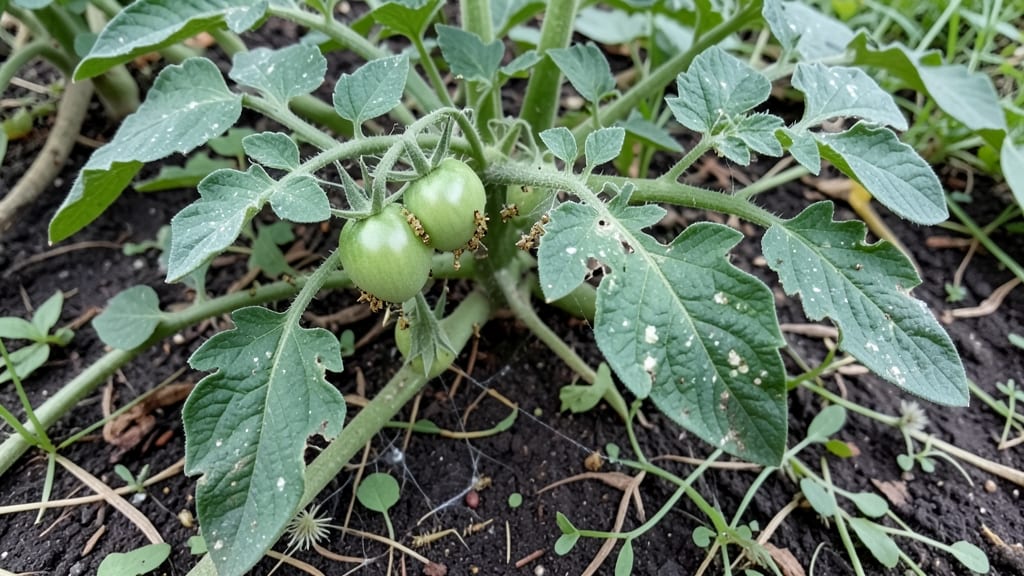
Sucking tomato plants can turn your harvest into a nightmare—those tiny pests leave behind sticky messes and stunted growth. I’ve battled them for years, and the key is acting fast before they ruin your plants.
The worst offenders are hornworms, aphids, and whiteflies, all of which drain your tomatoes’ energy while leaving behind a telltale sticky residue.
Most gardeners panic and reach for chemicals, but the real solution lies in three natural fixes that work without harming your plants or the environment. Handpicking hornworms (they’re big enough to spot!) is the fastest way to stop them, while a neem oil spray tackles aphids and whiteflies within days.
For long-term protection, row covers create a physical barrier that keeps pests out entirely.
By the time you finish these steps, your tomato plants will bounce back with stronger stems and healthier leaves. The best part? These methods prevent future infestations, so you won’t have to repeat the process next season. Let’s get those plants thriving again—no sticky surprises included.
If only the leaves are affected, focus on targeted sprays and beneficial insects like ladybugs. For severe cases, combine all three solutions for a foolproof defense. Your tomatoes deserve better than a pest-freeze—let’s fix this together.
Root Causes Of Plant Sap Loss
When your tomato plants start looking wilted, weak, or covered in sticky residue, sap-sucking pests are often the culprits. These tiny invaders drain nutrients, weaken your plants, and leave behind a trail of damage that can stunt growth or even kill your tomatoes.
Understanding why this happens is the first step to protecting your harvest. Below, we break down the most common causes—backed by science—and how they trigger this destructive cycle.
Sap-sucking pests like aphids, whiteflies, and spider mites thrive in warm, humid conditions—perfect for a tomato garden. These insects insert their mouthparts into plant tissues to feed on phloem sap, the plant’s nutrient-rich fluid.
When populations explode (often due to lack of natural predators or over-fertilization with nitrogen), they overwhelm your tomatoes, causing:
- Stunted growth: The plant diverts energy to repair damage instead of producing fruit.
- Yellowing leaves: Chlorophyll breaks down as nutrients are siphoned away.
- Sticky honeydew residue: A byproduct of their feeding, which attracts mold (sooty mold) and other pests.
Why it’s worse: These pests also transmit viruses (like Tomato Yellow Leaf Curl Virus), which can devastate your crop. A single aphid can reproduce 7–10 generations per season, turning a small infestation into a full-blown crisis in weeks.
Healthy tomato plants have natural defenses—thick cuticles, strong stems, and even trichomes (tiny hair-like structures that deter pests). But when plants are stressed, these defenses weaken, making them prime targets for sap-suckers. Common stressors include:
- Poor soil nutrition: A lack of phosphorus or potassium reduces plant resilience. Sap-suckers exploit weak spots first.
- Overwatering or drought: Both disrupt root systems, making plants more vulnerable. Wilting leaves signal distress, and pests home in on easy meals.
- Physical damage: Pruning too aggressively or using dull tools can create entry points for insects.
Science note: Studies show that Solanum lycopersicum (tomato plants) release volatile organic compounds (VOCs) when stressed—these chemicals can actually attract pests like whiteflies. A stressed plant isn’t just weak; it’s sending out a “help, I’m vulnerable” signal.
Tomatoes aren’t meant to grow in isolation—they rely on companion plants to repel pests naturally. When these allies are missing, sap-suckers move in. For example:
- Lack of basil or marigolds: These plants release limonene and alpha-terthienyl, compounds that deter aphids and whiteflies.
- No garlic or chives nearby: Their strong sulfur compounds confuse pests’ scent trails, making it harder for them to locate your tomatoes.
- Monoculture gardens: Planting only tomatoes (or other nightshades like peppers) creates a pest buffet. Diversity disrupts their life cycles.
Pro tip: If you’re using row covers or netting, ensure they don’t trap heat and humidity—this creates the perfect breeding ground for sap-suckers. Aim for 50–70% shade cloth to balance protection and airflow.
Now that you know why your tomato plants are being drained of life, the next step is actionable fixes to kick these pests out for good. The good news? Nature already has the tools—you just need to deploy them strategically.
Fixing Sap-Sucking Plant Problems
Now that you know what’s draining the life from your tomato plants, let’s tackle the issue with natural, effective solutions—no harsh chemicals required! Below, we’ve mapped common causes to their fixes, along with prevention tips to keep your plants thriving. 🌱💪
Fix: These tiny troublemakers love feasting on tomato sap, leaving behind sticky residue and weakened plants. Here’s how to evict them:
🔥 Step 1: Blast Them Off with Water
- How: Use a strong spray of water (like a hose or spray bottle) to dislodge pests from leaves and stems.
- When: Do this early in the morning so plants dry quickly, reducing fungal risks.
- Pro Tip: 💡 Add a drop of dish soap (like Dawn) to 1 quart of water for extra stickiness—it suffocates pests without harming plants.
🍳 Step 2: DIY Insecticidal Spray
- Recipe: Mix 1 tsp neem oil + 1 tsp castile soap + 1 quart water.
Shake well and spray undersides of leaves (where pests hide). - Why It Works: Neem oil disrupts pests’ life cycles, while soap breaks their waxy protective layer. - Frequency: Reapply every 5–7 days until pests disappear.
👨🍳 Step 3: Introduce Beneficial Predators
- Who to Call: Ladybugs, lacewings, and parasitic wasps devour aphids and mites like a buffet.
- How to Attract Them: Plant marigolds, dill, or fennel nearby—they love these companion plants.
- Bonus: 🌡️ Avoid pesticides (even organic ones) for 24–48 hours before releasing predators to let them settle in.
⏰ Prevention Tips:
- Inspect plants weekly—catch infestations early!
- Remove yellowing or curled leaves (pest hotspots) immediately.
- Use reflective mulch (like aluminum foil) to confuse whiteflies.
Fix: If sap-sucking pests have opened the door to blight, powdery mildew, or bacterial wilt, act fast with these steps:
🔪 Step 1: Prune and Dispose of Infected Parts
- How: Cut off yellow, spotted, or mushy leaves/stems with sterilized scissors (wipe with rubbing alcohol).
- Why? Prevents spores from spreading to healthy growth.
- Warning: 🚨 Do NOT compost infected plant debris—bag and trash it instead.
🥘 Step 2: Apply Organic Fungicide
- Options:
- Baking Soda Spray: Mix 1 tbsp baking soda + 1 tsp oil + 1 gallon water + a drop of soap.
Spray every 7–10 days. - Copper Fungicide: Use organic copper-based sprays (like Bonide Copper Fungicide) for bacterial issues. - Best Time: Apply in the evening to avoid burning leaves in sunlight.
🌡️ Prevention Tips:
- Space plants properly (18–24 inches apart) for better airflow—fungi thrive in damp, crowded spots.
- Water at the base (not overhead) to keep leaves dry.
- Rotate crops—don’t plant tomatoes in the same spot yearly.
Fix: If your tomatoes are sap-sucking due to stress (like nitrogen burn or root damage), balance their diet:
📊 Step 1: Test Your Soil
- How: Use a DIY soil test kit (or send a sample to a local extension office).
- What to Look For:
- Too much nitrogen? Leaves grow fast but weak (prone to pests).
- Too little potassium? Tomatoes struggle with disease resistance.
💪 Step 2: Adjust Fertilizer
- For Nitrogen Overload: Switch to a balanced fertilizer (like 5-5-5) or compost tea.
- For Potassium Boost: Use banana peels (dried & crushed) or wood ash (sprinkle lightly around the base).
- Avoid: 🚫 Fresh manure or high-nitrogen fertilizers mid-season—they encourage pest-attracting growth.
🍎 Prevention Tips:
- Feed tomatoes every 2–3 weeks with a low-nitrogen, high-potassium fertilizer (like 3-4-6).
- Mulch with straw or grass clippings to retain moisture and nutrients.
- Avoid wetting leaves when watering—this reduces fungal risks.
Final Thought: 🎯 The key to happy tomatoes? Stay vigilant, act fast, and let nature help you! With these fixes, your plants will bounce back—and you’ll enjoy juicy, pest-free tomatoes all season long. 🍅✨
Frequently asked questions
What are the most common sap-sucking pests attacking my tomato plants?
The worst offenders are aphids (tiny green/black clusters), whiteflies (tiny white moths that flutter when disturbed), and tomato hornworms (green caterpillars with white stripes). Spider mites (tiny yellow specks) and stink bugs (shield-shaped brown bugs) also drain sap, leaving sticky residue behind.
How do I tell if my tomato plants are being drained by pests vs. nutrient deficiency?
Pests leave sticky honeydew residue on leaves, curled or yellowing edges, and visible bugs/eggs. Nutrient deficiency causes uniform yellowing (chlorosis) starting between leaf veins, and no sticky mess. Check undersides of leaves for pests first!
Will neem oil kill beneficial insects along with pests?
Neem oil is selectively toxic—it targets sap-suckers while sparing bees, ladybugs, and lacewings. However, avoid spraying when bees are active (early morning/evening). For extra safety, apply neem oil after releasing beneficial predators by 24 hours.
Can I use dish soap to control sap-sucking pests, and how strong should it be?
Yes! Mix 1 teaspoon mild dish soap (like Dawn) with 1 quart water—never more concentrated. Harsh soaps damage plants. Spray directly on pests (undersides of leaves) and reapply every 3–5 days until pests disappear. Best used as a quick knockdown before applying neem oil.
What’s the fastest way to stop a severe hornworm infestation?
Handpick them immediately—they grow up to 4 inches long! Drop them in soapy water. For hidden eggs, spray BT (Bacillus thuringiensis) on leaves (it’s safe for humans but deadly to caterpillars). Check plants daily at dawn when hornworms are sluggish and easy to spot.