
Blooming
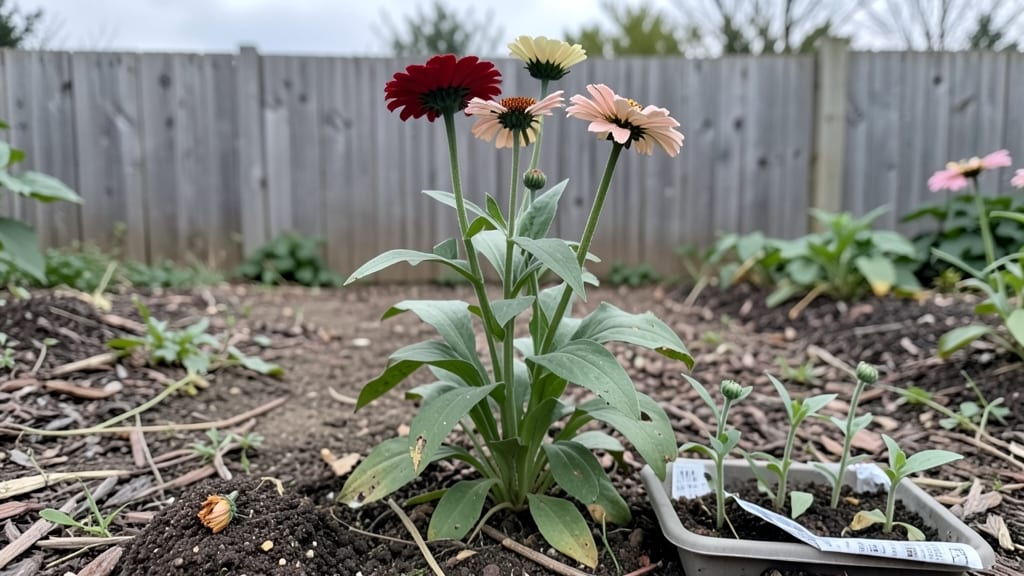
Succession planting zinnias means never running out of bold, cheery blooms all season long. 🌻 I learned this lesson the hard way after watching my first batch of zinnias bolt in July, leaving my garden bare just when the hummingbirds needed nectar most.
The key is timing—planting new seeds every three weeks creates a continuous parade of color that keeps your garden looking fresh and your pollinators well-fed.
This method works best in warm climates where zinnias thrive, but even in cooler regions, you can extend the season by starting seeds indoors and transplanting them outside when temperatures stabilize.
You’ll need a sunny spot with well-draining soil, a supply of zinnia seeds, and a simple schedule to keep track of your plantings. The payoff? A garden that stays vibrant from early summer through frost, with minimal effort once you get the rhythm down.
Each new planting will produce flowers within six to eight weeks, so by staggering your sowings, you’ll always have fresh blooms ready to cut or admire.
The secret to success lies in spacing—plant seeds about 6 inches apart in rows 18 inches apart—and keeping the soil consistently moist but not soggy. Once established, zinnias are tough as nails, but they’ll reward you with more flowers if you deadhead spent blooms regularly.
This approach isn’t just for show—it’s a game-changer for gardeners who want to enjoy zinnias without the disappointment of a single, short-lived flush of color.
Whether you’re growing for cut flowers, pollinators, or just the joy of bright blooms, succession planting turns zinnias into a reliable, low-maintenance star of your garden. Let’s get those seeds in the ground!
📚 In This Guide
- What you need
- Instructions
- Tips and common mistakes
- Wrapping up and next steps
What you need
- ● Zinnia seeds: Choose fast-maturing varieties (e.g., 'Benary’s Giant' or 'Profusion') for quick succession. Quantity: 1–2 oz (about 200–400 seeds) per planting session.
- ● Seed-starting mix: Lightweight, sterile potting soil (1–2 bags, 12–18 qt each). Avoid garden soil—it can harbor diseases!
- ● Containers or seed trays: Biodegradable pots (2–3 inches deep) or cell trays (72-cell minimum) for seedlings. Quantity: Enough for 50–100 seedlings.
- ● Garden soil: Well-draining, amended with compost (1–2 cubic yards for in-ground planting). Test pH (ideal: 6.0–7.0).
- ● Fertilizer: Balanced, slow-release granular (10-10-10) or liquid seaweed extract for seedlings. Quantity: 1 lb for in-ground or 1 gallon liquid per 50 sq ft.
- ● Watering can or hose with nozzle: Fine-mist setting for seedlings; gentle stream for mature plants.
- ○ Row covers or shade cloth (optional but helpful): 30–50% shade cloth for hot climates (10x20 ft sheet).
- ● Hand trowel: For transplanting seedlings (5–6 inch blade).
- ● Garden gloves: Heavy-duty to protect hands from thorns (zinnias can be prickly!).
- ● Pruners or scissors: Sharp, clean pair for deadheading and harvesting.
- ● Measuring tape or ruler: For spacing seedlings (12–18 inches apart).
- ● Plant labels: Waterproof markers or stakes to track varieties and planting dates.
- ● Mulch (straw or shredded leaves): 2–3 inches thick to retain moisture (1–2 bags per 100 sq ft).
- ● Sunlight: Full sun (6+ hours daily). Partial shade may reduce blooms.
- ● Warmth: Soil temp ≥60°F (15°C) for direct sowing. Use a soil thermometer to check!
- ● Water source: Consistent access to water (zinnias wilt fast if dried out).
- ● Patience: Succession planting means staggered timelines—plan 2–3 weeks apart for continuous blooms.
Step-by-step guide to succession planting zinnias
Here's how I keep my zinnias blooming all season long with minimal effort.
🌱 Step 1: Choose the Right Zinnia Varieties and Planting Times
Start with heat-tolerant varieties like 'Benary's Giant' or 'Profusion'—they handle both early and late plantings better than others. I plant my first batch 2-3 weeks after your last frost date when soil reaches 60°F. This gives them time to mature before summer heat peaks.
For continuous blooms, schedule three successive plantings spaced 3 weeks apart. The last batch goes in 6-8 weeks before your first expected frost. This staggered approach ensures you always have zinnias in bloom, from early summer through fall.
🪴 Step 2: Prepare the Planting Site
Zinnias thrive in full sun (at least 6-8 hours daily) and well-drained soil. I mix the 2 bags of garden soil with the 1 bag of compost to create loose, fertile beds. Avoid heavy clay—zinnias hate soggy roots and will rot quickly.
Work the soil to a depth of 12 inches to break up compaction. Scatter a handful of slow-release fertilizer (like 10-10-10) over the area and work it into the top 6 inches of soil. This gives your zinnias a strong start without burning tender roots.
💧 Step 3: Sow Seeds at the Correct Depth and Spacing
Plant seeds ¼ inch deep and 12-18 inches apart in rows 18 inches apart. I use the seed packet to mark rows in the soil—just drag it through lightly to create furrows. Drop 3-4 seeds per spot (you'll thin later) and cover with a thin layer of soil.
Water gently but thoroughly right after planting to settle the soil and trigger germination. Keep the soil evenly moist (not soggy) until seedlings emerge. You'll see the first true leaves in 7-14 days—that's your cue to thin to the strongest seedling per spot.
✂️ Step 4: Maintain for Continuous Blooms
Once zinnias reach 6-8 inches tall, I pinch back the tips to encourage bushier growth. Deadhead spent blooms regularly by snipping stems just above a set of leaves. This redirects energy to new flowers instead of seed production.
Water at the base in the morning to prevent fungal issues. Zinnias are drought-tolerant once established, but they'll reward you with bigger blooms if you water 1 inch per week during dry spells. Mulch with 2 inches of straw to retain moisture and suppress weeds.
⏰ Step 5: Plan Your Final Planting for Late Season
For your last batch, choose shorter varieties like 'Thumbelina' or 'Crystal' that bloom faster. Plant them 6-8 weeks before frost in a spot with afternoon shade if your summers are scorching. These varieties handle cooler temps better and give you late-season color.
Harvest blooms in the morning for the longest vase life. Cut stems at an angle and place in water immediately. With this system, I've kept zinnias blooming until two weeks before frost—long after most annuals have quit.
Tips & tricks for perfect succession planting zinnias
Here's what nobody tells you about keeping your zinnias blooming all season—these tricks make the difference between a few weeks of color and months of vibrant flowers.
The Heat Factor: Timing your first planting 2-3 weeks after your last frost date when soil hits 60°F is critical. I've learned the hard way that planting too early in cold soil leads to rot. Use a soil thermometer to confirm—zinnias won't germinate well below 60°F. For northern climates, consider a cold frame to warm the soil faster.
Planting Strategy: The 3-week intervals between plantings might seem arbitrary, but they're based on zinnias' fast growth cycle. Each batch should reach maturity just as the previous one starts fading. I mark planting dates on my calendar with sticky notes—trust me, you'll forget! For extra insurance, plant a few extra seeds in case germination fails.
Soil Prep Secret: When mixing your 2 bags of garden soil with 1 bag of compost, don't skimp on the depth. The 12-inch deep preparation breaks up compaction that restricts root growth. I use a broadfork to loosen the soil without bringing up weeds from below. For heavy clay soils, add a handful of perlite to improve drainage—zinnias hate soggy feet!
Maintenance Win: That 1 inch of water per week guideline works for established plants, but young seedlings need evenly moist soil without being soggy. I set up a drip irrigation system on a timer for the first two weeks—it's worth the investment for consistent germination. And always water at the base in the morning to prevent fungal diseases that thrive in damp foliage.
Pro Tips for Succession Planting Zinnias
- Here's what nobody tells you about keeping your zinnias blooming all season—these tricks make the difference between a few weeks of color and months of vibrant flowers.
- The Heat Factor: Timing your first planting 2-3 weeks after your last frost date when soil hits 60°F is critical.
- Planting Strategy: The 3-week intervals between plantings might seem arbitrary, but they're based on zinnias' fast growth cycle.
Frequently asked questions
Got questions about keeping your zinnias in full bloom all season? Here are some of the most common queries—and their answers—to help you master succession planting zinnias like a pro!
What’s the best spacing for zinnias in succession planting?
For optimal air circulation and growth, space zinnias 12–18 inches apart in rows or clusters. If you’re planting in waves (every 2–3 weeks), leave extra space (up to 24 inches) between groups to avoid overcrowding as seedlings mature. Thin weaker stems early to prevent competition!
How soon after harvesting should I replant zinnias?
Zinnias are fast growers! Replant seeds 2–3 weeks after the first harvest (or when the first batch starts fading). If your region has a short growing season, stagger plantings every 10–14 days for a nonstop bloom show. Just ensure soil temps stay above 55°F for germination.
Can I use leftover zinnia seeds from last year for succession planting?
Zinnia seeds stay viable for 2–3 years if stored in a cool, dry place. For best results, test a few seeds first to confirm germination. Pro tip: Label seed packets with planting dates to track freshness and avoid confusion.
Why are my zinnia seedlings wilting or dying after planting?
Wilting often signals overwatering, poor drainage, or pests (like aphids or cutworms). Water deeply but infrequently—zinnias hate soggy roots! Check for holes in stems (cutworms) or sticky leaves (aphids), and treat with neem oil or Bacillus thuringiensis if needed. Harden off seedlings gradually to avoid transplant shock.
What’s the latest I can plant zinnias for fall blooms?
Plant zinnias 8–10 weeks before your first fall frost (typically late July–early August in most zones). Choose heat-tolerant varieties like ‘Benary’s Giant’ or ‘Profusion’ for extended blooms. In warm climates, you might even get flowers into October! Monitor weather forecasts and use row covers for early chills.
Are there zinnia varieties that work better for succession planting?
Yes! Opt for compact, fast-growing varieties like:
- ‘Thumbelina’ (45 days, 6–8” tall)
- ‘Crystal’ (50 days, heat-resistant)
- ‘Zahara’ (55 days, drought-tolerant)
Wrapping up and next steps
Succession planting zinnias is your ticket to a non-stop parade of color in your garden! By staggering your plantings, you’ll enjoy vibrant blooms from early summer straight through fall—no gaps, no fuss. The secret? Timing, spacing, and a little patience—and trust us, the payoff is worth it.
Ready to put your newfound expertise into action? Start small—try a single bed or container this season, then expand next year. Grab your seeds, mark your calendar, and watch your garden transform into a year-round floral masterpiece! 🌸