
Companion Plants
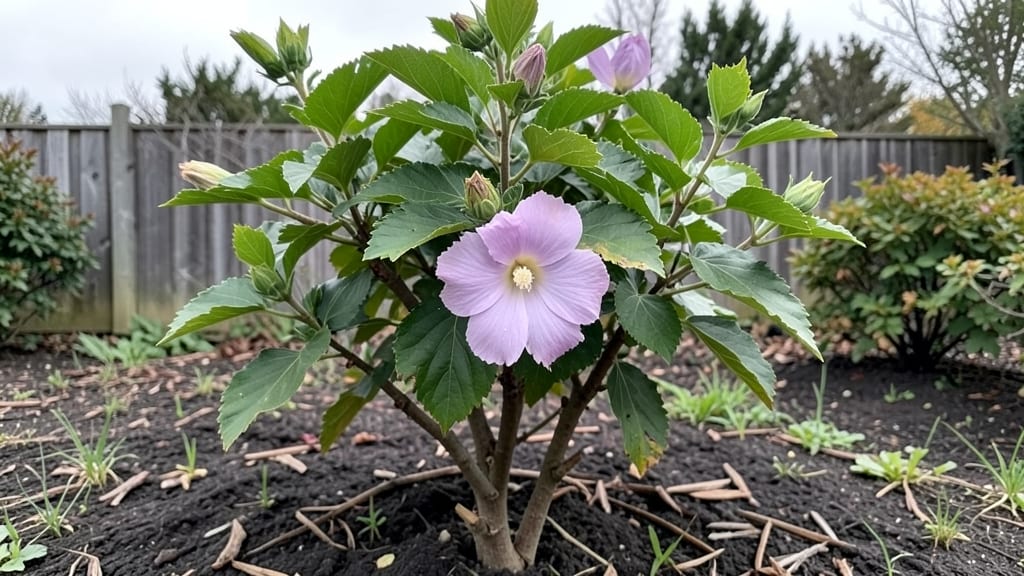
Hibiscus syriacus—also known as rosa sharon—turns your garden into a buzzing, blooming paradise from summer through fall. 🌸 I planted mine last spring, and now it’s covered in fragrant, trumpet-shaped flowers that hummingbirds and butterflies can’t resist.
This isn’t just another pretty shrub; it’s a pollinator powerhouse that thrives with minimal fuss once you get the basics right.
The secret to its success starts with the right spot: full sun and well-draining soil. Amend heavy clay with compost, and space plants 6 to 8 feet apart—they’ll grow 8 to 12 feet tall over time.
Water deeply once established, but don’t overdo it; rosa sharon hates soggy roots. Mulch around the base to keep moisture steady and weeds at bay.
Pruning is where the magic happens. Cut back one-third of old wood in early spring to encourage fresh growth, and deadhead spent blooms to keep flowers coming. The result?
A bush that looks like it belongs in a botanical garden, not your backyard. Plus, it’s tough enough to handle drought and urban pollution once settled in.
Watch for Japanese beetles—they love these flowers—but a quick spray of neem oil keeps them in check. With the right care, your rosa sharon will reward you with season-long color and a garden that feels alive. Ready to grow yours?
📚 In This Guide
- What you need
- Instructions
- Tips and common mistakes
- Wrapping up and next steps
What you need
- ● Rosa Sharon plants: 1–3 bare-root plants (for mature growth) or
- ● 5–10 seeds (slower but rewarding for DIYers)
- ● Well-draining soil: Mix 60% garden soil, 30% compost, and 10% perlite/sand (pH 6.0–7.0 ideal).
- ● Fertilizer: Balanced 10-10-10 granular fertilizer (2 tbsp per plant at planting)
- ○ Slow-release rose fertilizer (optional, for long-term care)
- ● Mulch: 2–3 inches of wood chips or shredded bark (keeps roots cool and moist).
- ● Gardening gloves (to protect from thorns and soil)
- ● Trowel or shovel (for digging holes)
- ● Pruning shears (sterilized, for trimming)
- ● Watering can or hose with nozzle (gentle watering is key!)
- ○ Stakes or trellis (optional, for climbing varieties like Rosa ‘Abraham Darby’)
- ● Measuring tape (to space plants 3–6 feet apart)
- ● Sunlight: A spot with 6+ hours of full sun daily (morning sun + afternoon shade works in hot climates).
- ● Water source: Consistent moisture (deep watering 1–2x weekly; more in droughts).
- ● Pollinator-friendly zone: Plant near lavender, coneflowers, or bee balm to maximize visits!
- ● Patience: Rosa Sharon blooms best in 2–3 years (worth the wait for those fragrant flowers!).
Step-by-Step guide to planting and caring for Rosa Sharon plants
Here’s how to grow these stunning pollinator favorites that bloom from early summer to frost.
🌱 Step 1: Choose the Perfect Planting Location
Rosa Sharon thrives in full sun—at least 6-8 hours of direct sunlight daily. I always pick a spot where the plant gets morning sun and afternoon shade in hotter climates, as this prevents leaf scorch. The soil should drain well, so avoid low-lying areas where water pools. If your yard has heavy clay, amend it with 2-3 inches of compost before planting.
Dig a hole twice as wide as the root ball but no deeper. This encourages roots to spread out rather than sit compacted. Loosen the sides of the hole gently with a shovel or gloved hands to help roots penetrate the surrounding soil more easily. A slight mound in the center of the hole prevents water from settling right at the base, which can cause rot.
🪴 Step 2: Plant with Proper Spacing and Support
Space Rosa Sharon plants 4-6 feet apart to give them room to grow and prevent overcrowding. These shrubs can reach 6-8 feet tall and wide, so plan accordingly. I always install a sturdy 5-foot metal or wooden stake at planting time to support the plant as it matures. Tie the main stems loosely to the stake with soft plant ties or strips of old fabric—never use wire, which can cut into the bark.
Place the plant in the hole so the top of the root ball sits 1 inch above soil level. Fill the hole with native soil, pressing gently around the roots to remove air pockets. Water deeply right after planting to settle the soil and encourage root contact. Mulch with 2-3 inches of organic mulch (like shredded bark) around the base, keeping it 6 inches away from the trunk to prevent rot.
☀️ Step 3: Water and Fertilize for Healthy Growth
Water newly planted Rosa Sharon deeply once a week for the first 2-3 months, ensuring the soil stays moist but not soggy. You’ll know it’s right when water drains through to 6 inches deep. After that, water every 10-14 days, depending on rainfall, as these plants are drought-tolerant once established. Overwatering is the biggest mistake—it leads to root rot and weak growth.
Feed with a balanced, slow-release fertilizer (like 10-10-10) in early spring, just as new growth begins. I scatter ½ cup of fertilizer around the base and water it in. Avoid high-nitrogen fertilizers, which encourage leafy growth at the expense of flowers. A light application of compost in late fall also boosts soil health without overfeeding.
✂️ Step 4: Prune for Shape and Encourage Blooms
Prune Rosa Sharon in late winter or early spring, before new growth starts. Remove any dead, damaged, or crossing branches first—this improves airflow and reduces disease risk. Then, shape the shrub by cutting back one-third of the oldest stems to the ground. This rejuvenates the plant and encourages vigorous new growth and more blooms.
Throughout the growing season, trim back leggy or overgrown branches to maintain the desired shape. Always cut just above a leaf bud or outward-facing branch to encourage fuller growth. Deadhead spent blooms in summer to promote continuous flowering, but leave some seed pods for winter interest if you enjoy the natural look. Pruning is easier if you do it gradually—don’t wait until the plant looks unruly!
🐝 Step 5: Protect and Maintain for Season-Long Beauty
Rosa Sharon is deer-resistant, but rabbits and voles may nibble on young plants. I wrap the base of new growth with wire mesh for the first year to deter them. These plants are also disease-resistant, but watch for powdery mildew in humid climates. If you see white powder on leaves, spray with a neem oil solution (1 tablespoon per gallon of water) to prevent it from spreading.
In fall, apply a 2-inch layer of mulch around the base to protect roots from freezing temperatures. Rosa Sharon is hardy in zones 4-9, but young plants benefit from winter protection in colder areas. Prune lightly in late winter to remove any dead wood, and you’re ready for another stunning season of blooms!
Tips & tricks for perfect Rosa Sharon plant care
A few simple tricks will help your Rosa Sharon thrive and bloom beautifully all season long.
Sunlight Strategy: The 6-8 hours of sunlight mentioned in Step 1 is non-negotiable, but here's the thing: morning sun is more important than afternoon in hot climates. I've seen plants get scorched when planted in full afternoon sun, even with proper watering. If you're in a very hot zone, consider partial afternoon shade during peak summer months to protect those delicate blooms.
Root Ball Handling: When planting, don't be tempted to bury the root ball too deeply. That 1-inch above soil level in Step 2 is critical—it prevents water from pooling around the base, which causes rot. I've seen gardeners bury the root ball too deep, and within weeks, the plant shows signs of stress. If you're unsure, just remember: the top of the root ball should be slightly higher than the surrounding soil.
Watering Wisdom: The deep watering advice in Step 3 is spot-on, but here's what nobody tells you: use a moisture meter to check soil depth. You want that water to penetrate to 6 inches, but many gardeners just eyeball it. I've found that a simple $10 moisture meter makes all the difference in preventing both underwatering and overwatering. Water until you see moisture at that 6-inch mark.
Pruning Pro Tip: When cutting back one-third of the oldest stems in Step 4, I like to mark them first with a piece of twine or ribbon. This helps me visualize what I'm removing. Also, always prune just above an outward-facing bud—this encourages fuller growth. I've made the mistake of cutting too close to the trunk, which can lead to dead spots in the shrub.
Pro Tips for Rosa Sharon Plants
- A few simple tricks will help your Rosa Sharon thrive and bloom beautifully all season long.
- Sunlight Strategy: The 6-8 hours of sunlight mentioned in Step 1 is non-negotiable, but here's the thing: morning sun is more important than afternoon in hot climates.
- Root Ball Handling: When planting, don't be tempted to bury the root ball too deeply.
Frequently asked questions
Got questions about growing Rosa Sharon plants? You’re not alone! Here are some of the most common queries—plus quick answers to help you cultivate a thriving pollinator haven.
What’s the best time of year to plant Rosa Sharon?
Plant your Hibiscus syriacus (Rosa Sharon) in early spring or fall when temperatures are mild. This gives roots time to establish before extreme heat or cold. Avoid planting in summer—young plants can struggle with drought stress or scorching heat.
How do I attract more pollinators to my Rosa Sharon?
These plants are already a magnet for bees and butterflies! To boost their appeal, add companion plants like lavender, coneflowers, or bee balm. Avoid pesticides, keep the area well-watered, and let flowers go to seed for extra food sources.
Should I prune Rosa Sharon, and when?
Yes! Prune in late winter or early spring before new growth starts. Remove dead, crossing, or crowded branches to improve airflow. For a bushier shape, cut back 1/3 of the oldest stems annually. Pro tip: Wear gloves—thorns are sharp!
How often should I water my Rosa Sharon plant?
Water deeply but infrequently—about 1–1.5 inches per week, including rainfall. Once established (after 1–2 years), they’re drought-tolerant. Overwatering can cause root rot, so ensure soil drains well. Mulch helps retain moisture and regulate soil temperature.
What if my Rosa Sharon isn’t blooming as much as expected?
Several factors could be at play: over-fertilizing with high nitrogen (promotes leaves, not flowers), poor pruning (cutting back too late), or shade (they need 6+ hours of sun). Try deadheading spent blooms and fertilizing lightly with phosphorus-rich formula in spring.
Are Rosa Sharon plants cold-hardy?
These plants thrive in USDA zones 5–9 and handle winter well. In colder climates, their woody stems may die back, but they regrow in spring. For extra protection, mulch heavily around the base before the first frost.
Wrapping up and next steps
Rosa Sharon plants are a game-changer for any garden—offering season-long blooms, vibrant colors, and a pollinator paradise that keeps bees, butterflies, and hummingbirds buzzing all year.
Whether you're a beginner or a seasoned gardener, their low-maintenance charm and hardy nature make them an easy yet rewarding addition to your landscape. 🌸
Ready to transform your outdoor space? Start small—plant one Rosa Sharon today and watch your garden thrive! For even more inspiration, explore companion planting ideas to maximize blooms and biodiversity.