
Companion Plants
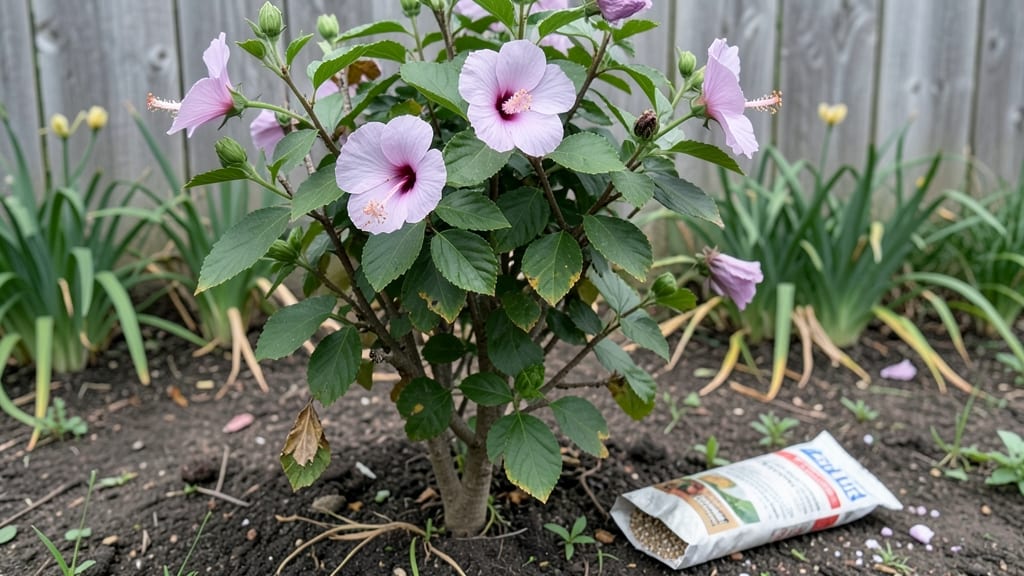
My struggling tomato plants finally took off after I planted root toner plants like comfrey and dandelions nearby. 🌱 The secret lies in these underrated soil allies that rebuild root strength, improve nutrient uptake, and even outcompete weeds—all while making your garden more resilient.
Root toners work by releasing natural compounds that stimulate microbial activity, break down compacted soil, and provide trace minerals plants crave. Unlike chemical fertilizers, they improve soil structure over time, which means healthier roots that can access water and nutrients more efficiently.
I’ve seen wilting plants perk up within weeks of adding these powerhouses to my beds.
You’ll notice stronger stems, deeper green foliage, and better resistance to drought or disease once these plants establish. The best part? They’re often weeds or perennials you can grow for free. Think of them as a natural root vitamin shot for your garden’s foundation.
Perfect for gardeners dealing with poor soil, transplant shock, or stunted growth. Let’s dive into how to integrate them without overcomplicating your garden routine.
📚 In This Guide
- What you need
- Instructions
- Tips and common mistakes
- Wrapping up and next steps
What you need
- ● Compost or worm castings: 2–3 cups (rich in microbes and nutrients). Pro tip: Use finished compost (no chunks!) for best results. 🌡️
- ● Molasses: 1 tablespoon (a natural energy source for soil microbes). Note: Organic, unprocessed molasses only!
- ● Water: 1 gallon (room temperature or slightly warm).
- ● Companion plants: Choose from comfrey, chamomile, clover, or dandelion (1–2 mature plants per batch).
- ● Container or bucket: 5-gallon size (for mixing).
- ● Strainer or cheesecloth: To filter out plant debris.
- ● Garden gloves: Protect your hands from prickly plants like comfrey.
- ● Pruners: For harvesting leaves/stems (sharp, clean pair).
- ○ pH strips: Optional but helpful—aim for a neutral (6.5–7.0) pH in your mix. ✨
- ○ Liquid seaweed extract (optional): 1 teaspoon (boosts microbial activity).
- ● Spray bottle: For applying the toner to roots (if not using a watering can).
Step-by-Step guide to planting root toner plants for soil revival
Here's how to strategically integrate these soil-reviving plants into your garden for stronger roots and healthier ecosystems.
🌱 Step 1: Select and Prepare the Right Planting Sites
Choose locations where roots appear stunted or soil looks compacted—these plants thrive where others struggle. I target areas under fruit trees, along garden edges, or between struggling perennials. Root toners like comfrey, yarrow, and dandelion (yes, the "weed") love disturbed soil and poor drainage, so no need for perfect beds.
Before planting, loosen the top 6 inches of soil with a broadfork or tiller to break up compaction. Avoid adding fresh amendments here—these plants extract nutrients from deep soil layers, so we want them to dig deep. Mark the planting spots with small stakes to avoid disturbing roots later.
💧 Step 2: Plant Deep-Rooted Toners for Maximum Benefit
For comfrey, dig holes 12-18 inches deep and space plants 3 feet apart—their roots will spread aggressively. Place yarrow 18-24 inches apart in slightly shallower holes (8-10 inches deep). These plants establish quickly, so water deeply immediately after planting to encourage root penetration.
I always plant on a cloudy day or late afternoon to reduce transplant shock. Press soil gently around the roots but don't compact it—you want air spaces for mycorrhizal fungi to colonize. Mulch with 2-3 inches of straw to retain moisture while allowing rain to penetrate deeply.
☀️ Step 3: Maintain with Minimal Intervention
Root toners need full sun to partial shade—I've seen comfrey thrive in 6+ hours of sun but yarrow adapt to 4-6 hours. Water deeply once weekly during dry spells, but let the soil dry between waterings. Overwatering encourages shallow roots, which defeats the purpose.
Watch for first true leaves—this signals the plant is established. At this stage, you can begin harvesting leaves for compost tea or simply let them decompose in place. The real magic happens underground, where roots break down compacted layers and release nutrients.
✂️ Step 4: Harvest Strategically for Continued Soil Benefits
When plants reach 12-18 inches tall, begin harvesting outer leaves to encourage bushier growth. I cut 1/3 of the plant at a time, leaving enough foliage for photosynthesis. For comfrey, I harvest 3-4 times per season; yarrow needs less frequent cutting (2 times).
Never remove more than 30% of the plant at once—this stresses the roots and reduces their ability to tonify soil. Chop harvested material into 1-inch pieces and either compost it or lay it directly on the soil surface as a living mulch. The decomposing plant matter feeds soil microbes while protecting roots from temperature extremes.
🌿 Step 5: Monitor and Expand Over Time
After 6-12 months, you'll notice improved root health in neighboring plants—look for deeper green color and faster growth. This is your signal to expand the system. I add new toners every 2-3 years to maintain soil vitality, as these plants eventually become less aggressive.
Watch for increased earthworm activity in these areas—a sure sign of improved soil structure. If you see struggling plants nearby starting to thrive, you've successfully created a self-sustaining root tonic zone. The key is patience—soil revival takes time, but these plants work tirelessly underground to make it happen.
Tips & tricks for perfect root toner plant integration
These strategic insights will help you maximize the soil-reviving power of root toners while avoiding common pitfalls that undermine their effectiveness.
Planting Depth is Everything: The 12-18 inch deep holes for comfrey aren't just recommendations—they're essential for accessing compacted subsoil layers. I've seen comfrey roots penetrate down to 6 feet over time, but they need that initial deep planting to get started. Use a deep-rooted dandelion as a natural indicator: if you can't dig down 12 inches easily, your soil needs these toners more than ever.
Timing Your Planting for Success: That cloudy day recommendation in Step 2 isn't just about avoiding sunburn—it's about giving roots a chance to establish before they're stressed by afternoon heat. I've planted on sunny days and watched roots struggle to penetrate for weeks. The afternoon timing also helps prevent soil from drying out too quickly around newly planted roots.
Harvesting Without Harming: The 1/3 harvest rule in Step 4 is non-negotiable for maintaining root vitality. I learned this the hard way by over-harvesting comfrey and seeing its soil-reviving benefits plummet. Always leave the central growth point intact—this is where the plant's energy for deep root growth originates. Think of it like pruning fruit trees: you want to encourage, not stunt, the plant's natural processes.
Mulching Strategy Matters: The 2-3 inches of straw mulch serves two critical purposes: retaining moisture while allowing rain penetration. Too much mulch (over 3 inches) can create anaerobic conditions that harm beneficial microbes. I've found that straw breaks down more slowly than wood chips, providing consistent protection without smothering the soil's natural processes.
Pro Tips for Root Toner Plants
- These strategic insights will help you maximize the soil-reviving power of root toners while avoiding common pitfalls that undermine their effectiveness.
- Planting Depth is Everything: The 12-18 inch deep holes for comfrey aren't just recommendations—they're essential for accessing compacted subsoil layers.
- Timing Your Planting for Success: That cloudy day recommendation in Step 2 isn't just about avoiding sunburn—it's about giving roots a chance to establish before they're stressed by afternoon heat.
Frequently asked questions
Got questions about root toner plants? You’re not alone!
Here are some of the most common queries—and their answers—to help you get the most out of these soil-boosting companions.
What are the best root toner plants for beginners?
Start with easy-to-grow options like comfrey, chamomile, or calendula. These are hardy, fast-growing, and packed with root-stimulating properties. Avoid overly invasive species like mint unless you’re prepared for their spread!
How long does it take to see results from root toner plants?
Patience is key! Most root toners take 4–8 weeks to show noticeable improvements in soil structure and plant health. For best results, use them in companion planting for at least one growing season before expecting dramatic changes.
Can I use root toners as a replacement for fertilizer?
Not exactly! Root toners enhance soil health naturally, but they won’t fully replace synthetic or organic fertilizers. Think of them as a soil-boosting sidekick—pair them with compost or balanced fertilizers for optimal growth.
What if my root toner plants die before they benefit my garden?
Don’t worry—even dead plants contribute! Chop them up and mulch them into the soil to release nutrients. Alternatively, try cover crops like clover or alfalfa, which are more resilient and can be cut back repeatedly.
Are root toners safe for all types of plants?
Most root toners are universally safe, but some (like comfrey) can be too rich for delicate plants. Test a small area first, and avoid planting them near acid-loving species (e.g., blueberries) if they raise soil pH.
Wrapping up and next steps
Root toner plants are your garden’s secret weapon—transforming tired soil into a thriving ecosystem with just a little effort! 🌱 From comfrey to chamomile, these powerhouses enrich roots, deter pests, and boost plant vitality. The key? Start small, observe, and let nature do the work.
Ready to see the magic? Pick one plant from this list, plant it near your struggling greens, and watch your garden flourish! Happy growing—your soil (and plants) will thank you! 🌿✨