Shrubs
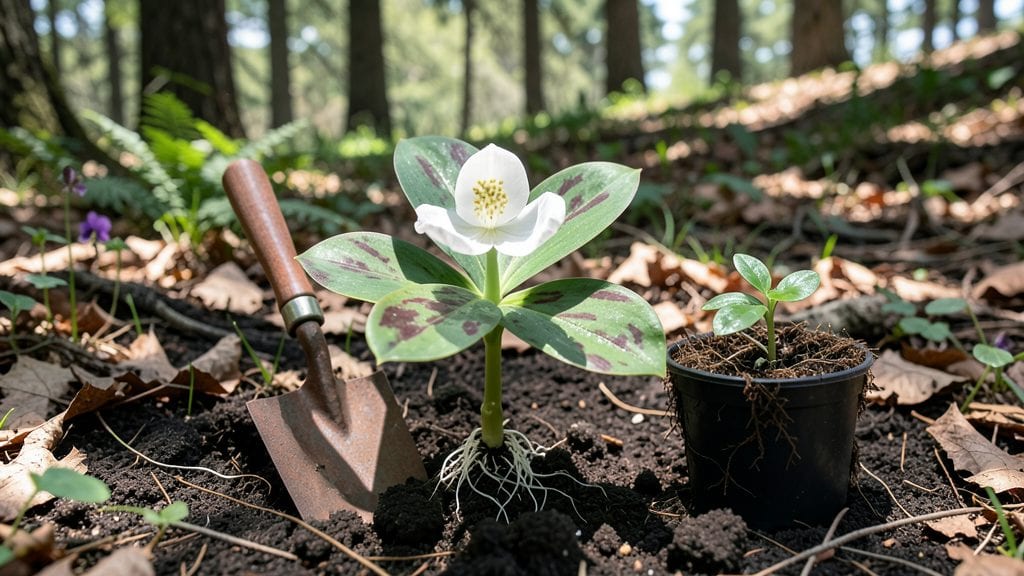
"Planting Red Robin lobelia transforms any space into a vibrant, low-maintenance showstopper that thrives even when other plants wilt. ✨ This compact beauty blooms from spring until frost, with velvety red flowers that attract hummingbirds and butterflies—no fuss, no drama, just relentless color.
My front container garden went from forgettable to 'neighborhood bragging rights' the first year I planted these." The secret lies in its drought-tolerant roots once established, but it starts with the right soil—light, well-draining mix that mimics its native Mediterranean habitat.
You’ll need a spot with morning sun and afternoon shade to keep those flowers popping without scorching the foliage. Containers? Use at least 8-inch pots for single plants or 12-inch troughs for trailing cascades. Too much space, and you’ll end up with leggy, sparse growth.
By mid-summer, you’ll have a bushy plant covered in blooms that lasts until the first hard frost, with minimal deadheading. The key is consistent moisture for the first few weeks—think damp sponge, not soggy swamp—and then letting it tell you when it’s thirsty.
Pair it with salvia, ferns, or dusty miller for a color palette that stops passersby in their tracks. What makes this plant truly special is its versatility: spill it over walls, tuck it into window boxes, or plant it in mass for a bold red groundcover.
Even in hot summers, it holds its own—no wilting, no fuss, just year-round interest when done right. Let’s get those roots in the ground!"
📚 In This Guide
- What you need
- Instructions
- Tips and common mistakes
- Wrapping up and next steps
What you need
- ● Red Robin plants: 1–3 nursery-grown shrubs (3–4 ft tall, mature size 4–6 ft wide) or
- ● Seeds (if starting from scratch—germination can be slow, so plan ahead!)
- ● Soil: Well-draining, slightly acidic to neutral soil (pH 6.0–7.0). Amend with compost if your soil is heavy clay.
- ● Fertilizer: Balanced, slow-release granular fertilizer (10-10-10 or similar)
- ○ Optional: Organic options like fish emulsion or worm castings
- ● Mulch: 2–3 inches of organic mulch (pine straw, shredded bark, or wood chips) to retain moisture and suppress weeds.
- ● Tools: Trowel or small shovel
- ● Garden gloves
- ● Watering can or hose with a gentle spray nozzle
- ● Pruning shears (for shaping after planting)
- ● Epsom salt (for magnesium boost, especially in clay soils)
- ● Slow-release fertilizer spikes (for added convenience)
- ● Plant tags or markers (to track varieties if mixing with other shrubs)
- ● Drought-resistant ground cover (like creeping thyme) to complement Red Robin
Step-by-Step guide to planting Red Robin for stunning year-round color
This drought-tolerant beauty thrives with minimal fuss—just follow these precise steps for vibrant blooms.
🌱 Step 1: Choose the Perfect Planting Location and Prepare the Soil
Red Robin thrives in full sun to partial shade, making it ideal for borders, containers, or mixed beds. I always select a spot with at least 6 hours of direct sunlight daily—this ensures continuous blooming throughout the year. Before planting, loosen the soil to a depth of 12 inches to improve drainage, which Red Robin craves to prevent root rot.
Amend the soil with compost or well-rotted manure to enrich it without overwhelming the plant. Red Robin adapts to various soil types but performs best in slightly acidic to neutral conditions. Test your soil pH—aim for a range of 6.0 to 7.0. If your soil is heavy clay, mix in sand or perlite to create a looser, more breathable medium.
🪴 Step 2: Plant Red Robin at the Right Depth and Spacing
Dig a hole twice as wide as the root ball but only as deep as the container it came in. Gently remove the plant from its pot and tease the roots outward if they’re circling—this encourages faster establishment. Place the plant in the hole so the top of the root ball sits just below soil level; burying the stem too deeply can suffocate the plant.
Space plants 18-24 inches apart for optimal airflow and growth. Crowding leads to competition for nutrients and increases the risk of fungal diseases. Backfill the hole with soil, pressing lightly around the base to eliminate air pockets. Water deeply to settle the soil and remove any air gaps that could stress the roots.
💧 Step 3: Water Establishingly and Maintain Drought Tolerance
After planting, water thoroughly to moisten the root zone to a depth of 6-8 inches. Red Robin is drought-tolerant once established, but young plants need consistent moisture for the first 2-3 weeks. Water deeply every 5-7 days during dry spells, allowing the top 1-2 inches of soil to dry out between waterings. Overwatering is the biggest mistake—it causes root rot and stunts growth.
Mulch around the base with 2-3 inches of organic mulch to retain moisture, suppress weeds, and regulate soil temperature. Keep the mulch 2 inches away from the stem to prevent rot. Once established, Red Robin requires minimal watering—its deep roots make it resilient during dry periods, but it still appreciates occasional deep soakings during prolonged drought.
☀️ Step 4: Prune and Fertilize for Continuous Blooms
Deadhead spent blooms regularly to encourage new flowers and maintain a bushy, vibrant appearance. Pinch back leggy stems in early spring to promote denser growth. Red Robin benefits from a balanced, slow-release fertilizer applied in early spring and again in midsummer. Use a 10-10-10 or 20-20-20 formula at half-strength to avoid burning the roots.
This plant is low-maintenance, but a light feeding keeps it thriving. Avoid heavy nitrogen fertilizers—they promote leafy growth at the expense of flowers. If you notice yellowing leaves, it’s often a sign of over-fertilization or poor drainage. Red Robin’s natural elegance lies in its ability to bloom year-round with minimal intervention, so resist the urge to over-tinker.
✂️ Step 5: Protect and Enjoy Year-Round Beauty
Red Robin is hardy in USDA Zones 7-11, but in colder regions, it may need winter protection. Mulch heavily before the first frost and consider wrapping young plants with burlap to shield them from harsh winds. Even in mild climates, a light frost can damage tender new growth, so monitor weather forecasts and act quickly if a freeze is predicted.
This plant rewards patience and minimal care with stunning, long-lasting color. Once established, it requires little more than occasional pruning, deep watering during droughts, and an annual feeding. Step back and admire the results—Red Robin’s vibrant blooms will transform any garden into a year-round spectacle with ease.
Tips & tricks for perfect Red Robin planting
Here's what I've learned from years of planting Red Robin—these tricks make all the difference between a struggling plant and a vibrant, year-round showstopper.
The Sunlight Secret: While Red Robin thrives in full sun to partial shade, I've found that the 6 hours of direct sunlight mentioned in Step 1 is non-negotiable for continuous blooming. If your garden gets less, consider planting in containers where you can move them to sunnier spots during winter months. Morning sun with afternoon shade works beautifully in hotter climates—this prevents leaf scorch while still providing enough energy for flowering.
Soil Prep That Makes a Difference: When loosening soil to 12 inches deep in Step 1, don't just scratch the surface! Use a broad fork or tiller to create a loose, aerated zone. For heavy clay soils, I mix in 20% sand or perlite by volume—this dramatically improves drainage while maintaining moisture retention. Pro tip: Test your soil pH before amending—if it's outside the 6.0-7.0 range, adjust with lime (to raise pH) or sulfur (to lower it) before planting.
Planting Depth and Spacing: The instructions mention placing the root ball just below soil level, but here's what nobody tells you—if your plant has a pronounced "crown" (where stems meet roots), that's your reference point. Burying too deep suffocates the plant, while planting too shallow exposes roots. For the 18-24 inch spacing, I always err on the wider side (24 inches) when planting multiple specimens. This prevents future crowding and makes maintenance easier.
Watering Wisdom: The 6-8 inch deep watering in Step 3 is crucial, but timing matters just as much. Water in the morning so foliage dries quickly, reducing fungal risks. For the first 2-3 weeks, I set a reminder to check soil moisture—stick your finger 2 inches deep. If it feels dry, water again. Once established, Red Robin's deep roots make it incredibly drought-tolerant, but I still give it a deep soaking every 2-3 weeks during prolonged dry spells to maintain that vibrant color.
Pro Tips for Red Robin Planting
- Here's what I've learned from years of planting Red Robin—these tricks make all the difference between a struggling plant and a vibrant, year-round showstopper.
- The Sunlight Secret: While Red Robin thrives in full sun to partial shade, I've found that the 6 hours of direct sunlight mentioned in Step 1 is non-negotiable for continuous blooming.
- Soil Prep That Makes a Difference: When loosening soil to 12 inches deep in Step 1, don't just scratch the surface!
Frequently asked questions
Got questions about red robin planting? You’re not alone!
This drought-tolerant beauty is packed with charm, but every gardener has a few curiosities. Here’s what we hear most often—and how to tackle them like a pro.
What’s the best time of year to plant red robin shrubs?
Spring or early fall are your golden windows . Planting in cooler months gives roots time to establish before extreme heat or frost hits. Avoid winter—frozen soil can stress young plants. Pro tip: If you’re in a mild climate, late winter (before buds swell) works too!
How often should I water red robin after planting?
For the first week or two, water deeply every 2–3 days to keep soil moist . After that, reduce to once a week (or when soil feels dry 2 inches down). Once established, red robin thrives on drought tolerance—overwatering is the real enemy!
Can I grow red robin in containers? What’s the ideal pot size?
These shrubs adapt well to containers . Aim for a minimum 18-inch diameter pot with drainage holes. Use well-draining soil and repot every 2–3 years to refresh nutrients. Just know: container-grown red robin may need more frequent watering than in-ground plants.
Are red robin shrubs prone to pests or diseases?
Generally low-maintenance, but watch for aphids or spider mites . Yellowing leaves? Check for powdery mildew (boost airflow!). Prune affected areas and treat with neem oil if needed. Healthy soil and proper spacing prevent most issues—nature’s pest deterrent!
How do I keep red robin blooms vibrant year-round?
Deadhead spent flowers regularly to encourage new blooms. Feed with a balanced fertilizer (10-10-10) in early spring, and mulch around the base to retain moisture. Prune lightly after flowering to shape the shrub—just avoid cutting into old wood!
Wrapping up and next steps
Red Robin planting is your ticket to year-round beauty and low-maintenance gardening—whether you’re a seasoned gardener or just starting out! 🌸 With its vibrant foliage, drought tolerance, and easy-care nature, this shrub transforms any space into a lush, colorful retreat.
The key? Choose the right location, prep the soil, and give it consistent (but not excessive) love.
Now that you’re armed with the know-how, roll up your sleeves and get planting! Start small—maybe just one or two plants to test your local climate—then expand as you see how well they thrive. Before you know it, your garden will be the envy of the neighborhood. Happy planting! 🌿