
Pests
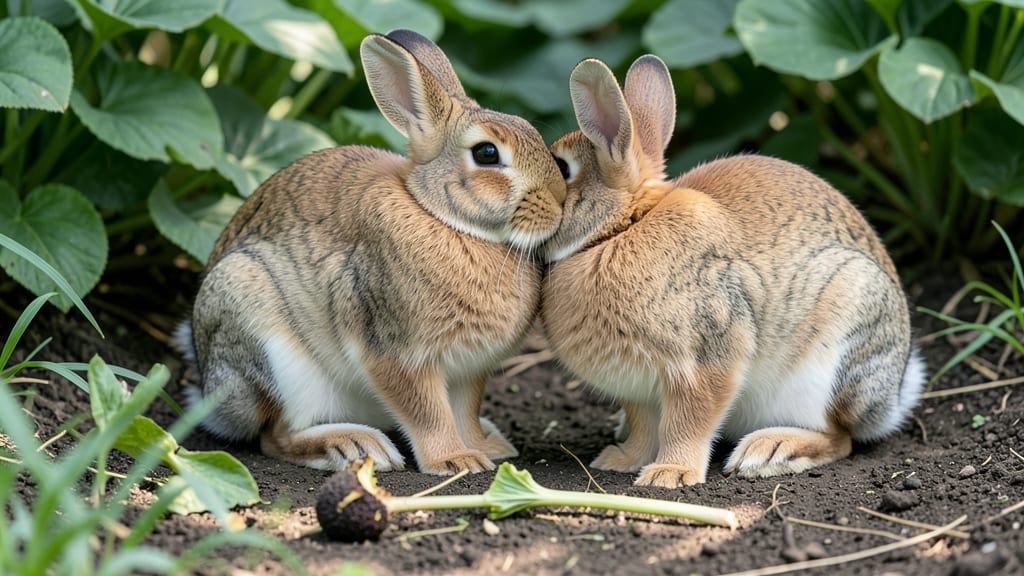
When rabbits invade your garden, they don’t just nibble—they systematically dismantle your hard work overnight. 🌿 I’ve lost entire rows of lettuce and tulips to these furry vandals, but I’ve also learned which plants they avoid and how to create natural barriers that actually work.
The key isn’t just choosing the right plants—it’s combining them with smart deterrents that rabbits find unpleasant.
Start with plants rabbits typically skip, like lavender, Russian sage, or alliums—these release strong scents that mask the smell of your vegetables and flowers. Pair them with physical barriers like chicken wire (buried 6 inches deep) or cloche covers for young seedlings.
Even a few marigolds planted near vulnerable areas can deter rabbits with their bitter foliage. The goal is to make your garden less appealing than the wild grasses they’d rather graze on.
What you’ll end up with is a garden that thrives without constant vigilance. No more waking up to chewed stems or vanished blooms—just lush, undisturbed growth that rabbits ignore.
The best part? These methods are low-cost, chemical-free, and effective for both vegetables and ornamentals. Once you see the difference, you’ll wonder why you didn’t act sooner.
This approach works in urban backyards, rural fields, and even container gardens—just adjust the barriers based on your space. The secret is consistency: combine the right plants with the right deterrents, and rabbits will move on to easier targets. Let’s get your garden back under your control, not theirs.
📚 In This Guide
- What you need
- Instructions
- Tips and common mistakes
- Wrapping up and next steps
What you need
- ● Rabbit-resistant plants (5–10 varieties): Lavender (6–10 plants)
- ● Marigolds (12–15 plants)
- ● Snapdragons (8–10 plants)
- ● Foxglove (3–5 plants)
- ● Russian sage (4–6 plants)
- ● Lamb’s ear (5–8 plants)
- ● Physical barriers: Chicken wire (10–15 ft roll, 1-inch mesh)
- ● Hardware cloth (1–2 ft roll, ¼-inch mesh)
- ● Plastic plant guards (10–15 units, 2–3 ft tall)
- ● Soil & amendments: Well-draining potting mix (2–3 bags, 2–3 cubic feet each)
- ● Compost (1–2 bags, for nutrient boost)
- ● Slow-release fertilizer (1 bag, 10–15 lb)
- ● Tools: Garden trowel or hand shovel
- ● Pruning shears
- ● Measuring tape
- ● Gloves (1 pair, heavy-duty)
- ● Mulch (straw or wood chips, 1–2 bags)
- ● Essential oils (peppermint or citronella, 5–10 ml for repellent spray)
- ● Decorative rocks or pebbles (for garden borders)
- ● Motion-activated sprinkler (for extra deterrence)
Step-by-Step guide to creating a rabbit-resistant garden layout
Here's how to design a garden that naturally deters rabbits while keeping your plants thriving.
🌱 Step 1: Select Rabbit-Resistant Plant Species
Start by choosing plants rabbits typically avoid due to strong fragrance, fuzzy textures, or toxic properties. I focus on lavender, rosemary, thyme, sage, and Russian sage—their pungent oils make them unappealing. Add foxglove, larkspur, and daffodils for extra protection, as rabbits steer clear of their bitter compounds.
For ground cover, creeping thyme or ajuga work well—their dense growth and strong scent deter burrowing. Group these plants in clusters of 3-5 per square foot to create a natural barrier. Avoid tender perennials like hostas or daylilies; rabbits find them irresistible.
🌿 Step 2: Layer Plants Strategically for Natural Defense
Design your garden in three distinct layers: tall plants on the perimeter, mid-height plants in the middle, and low-growing ground covers at the base. Place Russian sage or lavender (3-4 feet tall) along fences or property lines—their height and fragrance create a physical and olfactory barrier.
In the middle layer, rosemary bushes (2-3 feet tall) and sage (18-24 inches) act as a secondary deterrent. Their woody stems and strong scent discourage rabbits from lingering. Fill gaps with creeping thyme (6-12 inches) to eliminate hiding spots and create a dense mat that rabbits avoid.
💧 Step 3: Install Physical Barriers in High-Risk Zones
Even rabbit-resistant plants need backup in areas where rabbits are persistent. Use chicken wire (1 foot tall) buried 6 inches deep around vulnerable sections, like vegetable beds. Secure it tightly with stakes—rabbits can squeeze through gaps larger than 2 inches.
For raised beds, wrap the entire structure with hardware cloth (¼-inch mesh) before filling with soil. This prevents rabbits from digging underneath or chewing through. I also place gravel (2-3 inches deep) around the base of beds—rabbits dislike the sharp texture and avoid crossing it.
✂️ Step 4: Maintain Plant Health and Deterrent Strength
Regular pruning keeps plants dense and fragrant, which rabbits find off-putting. Trim lavender and rosemary in early spring to encourage bushy growth, and deadhead sage and thyme to prevent seed heads from attracting pests. Healthy, vigorous plants are far less appealing to rabbits than stressed or weak ones.
Rotate plantings seasonally—swap out tender annuals for winter-dormant perennials like lamb’s ear or sedum in fall. Their fuzzy textures and resilience make them rabbit-proof even in colder months. Avoid over-fertilizing; rabbits are drawn to lush, soft foliage, so keep nitrogen levels balanced.
☀️ Step 5: Enhance with Natural Repellents
Complement your plant choices with homemade repellents like garlic or hot pepper spray. Mix 1 tablespoon cayenne pepper, 1 chopped garlic bulb, and 1 quart water, then spray on plant leaves weekly. The strong scent confuses rabbits and deters them from browsing.
Place predator urine (fox or coyote) around garden edges—rabbits associate these scents with danger. Refresh every 2-3 weeks for maximum effectiveness. I also scatter crushed eggshells near vulnerable plants; the sharp edges irritate rabbits' sensitive paws and discourage them from lingering.
Tips & tricks for creating a rabbit-proof garden
These battle-tested strategies will help you build a garden that rabbits avoid—without sacrificing beauty or plant health. Here's what I've learned after years of trial and error.
Layering is Everything: In Step 2, when arranging your three-layer defense system, make sure the tallest plants (Russian sage or lavender) reach at least 3-4 feet—this creates that crucial visual and physical barrier rabbits can't ignore. I've found that adding a second row of rosemary bushes (2-3 feet tall) as your middle layer creates a natural funnel that guides rabbits away from your garden's core. The key is maintaining that vertical progression—no gaps where rabbits could squeeze through.
Barrier Installation Secrets: For Step 3, when installing chicken wire around vulnerable areas, bury it 6 inches deep and secure it with U-shaped stakes every 2 feet. I learned this the hard way—rabbits can dig under shallow barriers or push through loosely secured wire. For raised beds, wrap hardware cloth around the entire structure before adding soil, not just the sides. This prevents them from digging underneath from the outside or chewing through from the inside.
Seasonal Plant Rotation Strategy: The winter-dormant perennials mentioned in Step 4 are your secret weapon for cold months. I recommend adding lamb's ear (18-24 inches tall) and sedum (12-18 inches) in fall—their fuzzy leaves and succulent texture make them completely unappealing to rabbits. These plants also handle frost beautifully, maintaining their rabbit-repelling properties even in winter. Just be sure to plant them in clusters of 5-7 plants for maximum deterrent effect.
Repellent Application Technique: When using your homemade garlic-pepper spray from Step 5, apply it in the early morning when rabbits are most active. The scent lingers longer this way, and you avoid spraying during peak heat when the spray might evaporate too quickly. For predator urine, place it along garden edges and near entry points—rabbits have an incredible sense of smell and will avoid areas that smell like their natural predators. Refresh every 2-3 weeks or after heavy rain to maintain effectiveness.
Pro Tips for Rabbits And Plants
- These battle-tested strategies will help you build a garden that rabbits avoid—without sacrificing beauty or plant health.
- I've found that adding a second row of rosemary bushes (2-3 feet tall) as your middle layer creates a natural funnel that guides rabbits away from your garden's core.
- Barrier Installation Secrets: For Step 3, when installing chicken wire around vulnerable areas, bury it 6 inches deep and secure it with U-shaped stakes every 2 feet.
Frequently asked questions
What are the best rabbit-resistant plants for beginners?
Start with hardy, aromatic, or fuzzy-textured plants like lavender, rosemary, Russian sage, or lamb’s ear. These are naturally unappealing to rabbits due to their scent, texture, or toxicity. Herbs like thyme and oregano are also great choices—they’re easy to grow and double as culinary staples!
How long does it take for rabbit-resistant plants to establish a natural barrier?
Most plants take 3–6 months to fill out enough to deter rabbits, depending on the species. Fast growers like boxwood or yarrow can provide coverage in as little as 2–3 months, while slower growers like rosemary may need a full season. Pair them with physical barriers (like chicken wire) for immediate protection.
Can I use rabbit-resistant plants to replace my fence entirely?
While these plants reduce rabbit activity, they won’t replace a fence 100%. For best results, combine them with temporary barriers (like wire mesh) or motion-activated sprinklers. Rabbits are opportunistic—if food is scarce elsewhere, they’ll still nibble. Think of plants as a deterrent, not a fortress!
What if rabbits still eat my “rabbit-resistant” plants?
Don’t panic! Even “resistant” plants can be nibbled, especially during spring when rabbits are hungry. Try spraying plants with hot pepper wax or commercial rabbit repellents (like Liquid Fence). Rotating plant varieties also confuses rabbits—mix textures and scents to keep them guessing!
Are there any rabbit-resistant plants that also attract pollinators?
Catmint, bee balm, and lavender are rabbit-deterring and bee-friendly. For butterflies, try Russian sage or coneflowers. These dual-purpose plants keep your garden beautiful, functional, and rabbit-free—win-win!
Wrapping up and next steps
Creating a rabbit-resistant garden doesn’t have to be complicated—just strategic! 🌱 By choosing the right plants, like lavender, rosemary, or marigolds, and incorporating natural deterrents, you can protect your garden while adding beauty and function. Whether you’re a seasoned gardener or just starting, every small step makes a difference.
Ready to transform your garden? Start by testing a few of these plants in a small patch, observe how your rabbits react, and gradually expand. Happy gardening—your future bunny-free oasis awaits! 🌿