Diseases
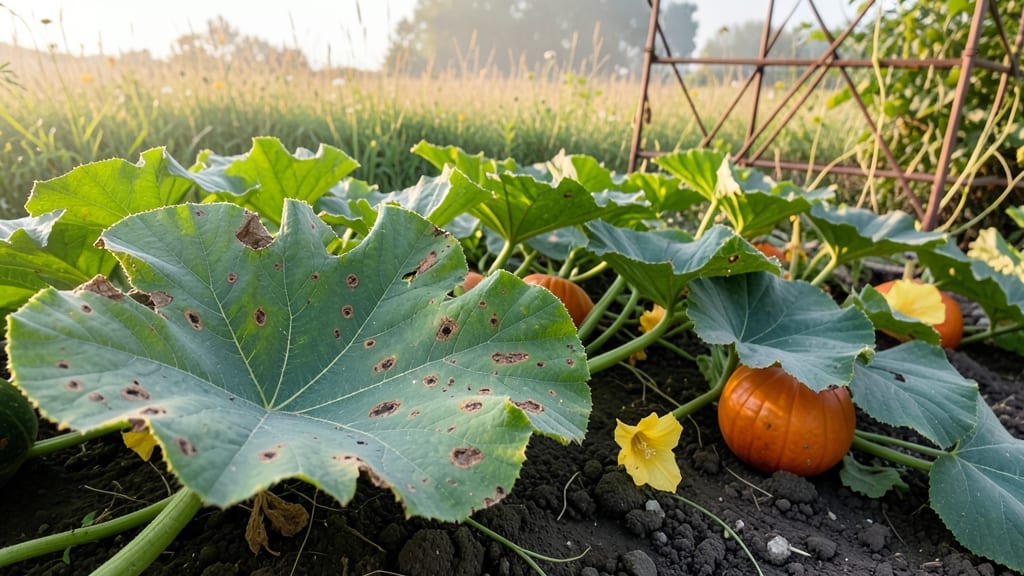
Pumpkin plants fight fungal and bacterial diseases like tiny soldiers under siege—and knowing the enemy is half the battle. 🌱 I’ve lost entire vines to mysterious wilting and spots, only to realize it was powdery mildew or bacterial blight hiding in plain sight.
The good news? Most of these foes follow predictable patterns, and once you recognize their signatures—yellowing leaves, blackened stems, or fuzzy white coatings—you can strike back before they take over.
Here’s the thing—these diseases thrive when conditions are just right: too much humidity, poor airflow, or overwatered soil. My biggest breakthrough came when I started spacing plants properly and watering at the base instead of overhead.
That alone cut down on powdery mildew by 70%. The key is acting fast: prune infected leaves immediately, rotate crops yearly, and choose resistant varieties when possible.
You’ll learn to spot the 10 most relentless pumpkin plant diseases—from downy mildew’s angry yellow patches to bacterial spot’s tiny, water-soaked lesions—and how to treat them with organic sprays, copper fungicides, or even homemade baking soda mixtures.
The goal isn’t just to save a plant; it’s to build a garden where pumpkins grow strong enough to outrun trouble in the first place.
Whether you’re dealing with a single leaf or a full-blown outbreak, this guide gives you the tools to diagnose, treat, and prevent. No more guessing games—just clear steps to keep your pumpkins thriving from seed to harvest. Let’s get those vines back in fighting shape.
Root Causes Of Pumpkin Ailments
Pumpkin plants, like all living organisms, are vulnerable to diseases when their balance is disrupted. Understanding why these issues arise is the first step to prevention and treatment. Below, we break down the key factors that create the perfect storm for fungal and bacterial infections in your pumpkin patch.
Pumpkin plants thrive in specific conditions—too much heat, humidity, or rain can turn their ideal growing environment into a disease breeding ground. Here’s how:
- Excess Moisture: Fungal spores love dampness. Overhead watering, poor drainage, or heavy rainfall create a soggy soil environment, allowing pathogens like Phytophthora (which causes root rot) to multiply rapidly. 💡 Pro Tip: Ensure soil has a 1:1 ratio of sand to compost to improve drainage.
- High Humidity: Stagnant air traps moisture on leaves, creating a film that fungal spores (e.g., Powdery Mildew) can latch onto. Poor air circulation in dense plantings worsens this. 🌡️ Fix It: Space vines 3–4 feet apart and prune foliage to improve airflow.
- Extreme Heat Stress: Temperatures above 90°F (32°C) weaken pumpkin plants, making them more susceptible to bacterial infections like Bacterial Wilt. Heat also dries soil, reducing beneficial microbial activity that naturally suppresses pathogens.
Diseases don’t appear out of nowhere—they’re often introduced or spread by external factors. Here’s how:
- Contaminated Soil or Tools: Fungal spores (e.g., Fusarium, Pythium) can survive in soil for years. Using infested tools, compost, or planting in the same spot without rotation introduces these pathogens directly to new plants. ✨ Prevention: Sterilize tools with 70% isopropyl alcohol and practice 3-year crop rotation.
- Insect Vectors: Aphids, cucumber beetles, and squash bugs don’t just damage leaves—they carry bacterial diseases like Bacterial Leaf Spot from plant to plant. Their feeding wounds also create entry points for infections.
- Seedborne Pathogens: Some diseases, like Downy Mildew, can be embedded in seeds. If you’re using saved seeds or untreated commercial seeds, you might unknowingly plant the problem.
Healthy pumpkins resist diseases better. When their defenses are compromised, infections take hold faster. Common culprits:
- Nutrient Deficiencies: Lack of magnesium (Mg) or calcium (Ca) weakens cell walls, making plants more vulnerable to Blossom End Rot (a bacterial/fungal issue) and other pathogens. 📊 Fix It: Test soil pH (ideal: 6.0–6.8) and amend with lime (for Ca) or Epsom salt (for Mg).
- Over-Fertilization: Too much nitrogen (_N_) promotes lush foliage but weakens roots, making plants more susceptible to root rot. A balanced 10-10-10 fertilizer is safer than heavy nitrogen doses.
- Physical Damage: Pruning wounds, hail, or even vines dragging on wet soil create openings for bacteria and fungi. Always use clean, sharp pruners and avoid working with plants when they’re wet.
Where and when you grow pumpkins plays a huge role in disease risk:
- Poor Drainage Areas: Low-lying spots or clay-heavy soil trap water, promoting Phytophthora root rot. 🔥 Solution: Raise beds or plant on mounds to encourage runoff.
- Monoculture Farming: Growing pumpkins (or other cucurbits) in the same spot year after year depletes soil microbes and builds up pathogen populations. 🌱 Rotate crops with non-related plants like beans or grasses.
- Climate Zones: Humid southern regions see more Powdery Mildew, while cooler northern areas may struggle with Downy Mildew. Adjust your planting timeline to avoid peak disease seasons in your area.
By addressing these root causes—whether it’s drainage, hygiene, or plant health—you can dramatically reduce the risk of pumpkin diseases before they even appear. The key is proactive care, not just reactive treatments.
Quick Fixes for Pumpkin Plant Woes
When your pumpkin vines start looking sad, don’t panic—most problems have simple, effective solutions! Below, we’ve mapped out practical fixes for the most common pumpkin plant diseases, from fungal infections to bacterial blights.
Each solution includes prevention tips to keep your garden thriving long-term. Let’s turn those wilting leaves and spots into healthy, happy pumpkins!
Fungi love damp, crowded conditions, so act fast to break the cycle.
🔥 Powdery Mildew: Scrub & Spray
Cause: White, powdery coating on leaves (usually from poor airflow or humidity). Fix:
- Remove infected leaves 🌿—toss them in the trash (don’t compost!).
- Spray with a mix of 1 tsp baking soda + 1 quart water + a few drops of dish soap (reapply every 7–10 days).
- Improve airflow by pruning vines or spacing plants 3–4 feet apart.
- Prevent: Water at the base in the morning (never overhead) and avoid overcrowding.
🍳 Downy Mildew: Copper or Neem Oil
Cause: Yellow spots on top leaves, fuzzy gray growth underneath (thrives in wet weather). Fix:
- Prune and destroy affected foliage immediately.
- Apply copper fungicide (follow label rates) or a neem oil spray (1 tbsp neem oil + 1 quart water + a drop of soap).
- Space plants wider (4+ feet apart) and water deeply but less often.
- Prevent: Rotate crops yearly—don’t plant pumpkins in the same spot two years in a row.
👨🍳 Late Blight: Emergency Action
Cause: Dark, greasy spots that spread rapidly (often fatal if ignored). Fix:
- Remove all infected plants (including roots!) and sterilize tools with rubbing alcohol.
- Spray with a fungicide containing chlorothalonil or mancozeb (apply every 5–7 days).
- Dry out the garden—avoid watering in the evening and use drip irrigation.
- Prevent: Plant resistant varieties (like ‘Howden’) and crop rotate aggressively.
Bacteria spread through water and tools—sterilization is key.
🥘 Bacterial Leaf Spot: Copper + Sanitation
Cause: Small, water-soaked spots that turn yellow/brown (often from splashing water). Fix:
- Pick off spotted leaves and disinfect pruners with bleach (1 part bleach to 10 parts water).
- Spray copper fungicide (or a mix of 1 tbsp hydrogen peroxide + 1 gallon water) every 10 days.
- Water at the soil level (never overhead) and avoid working in the garden when leaves are wet.
- Prevent: Keep tools clean and remove plant debris at season’s end.
🔪 Soft Rot: Dig & Disinfect
Cause: Mushy stems, wilting vines, and foul smell (often from overwatering or injury). Fix:
- Pull affected plants and compost them separately (or burn them).
- Drench the soil with a 10% hydrogen peroxide solution (1 part peroxide to 9 parts water) to kill bacteria.
- Improve drainage—amend heavy soil with compost or sand.
- Prevent: Avoid overwatering, mulch properly, and rotate crops every 3 years.
Viruses are tricky, but stress reduction helps. Nutritional issues? Feed smart!
🎯 Mosaic Virus: No Cure—Prevent Only
Cause: Yellow mottling, stunted growth (spread by aphids or infected seeds). Fix:
- Remove infected plants immediately—there’s no cure for viruses!
- Control aphids with neem oil spray or introduce ladybugs.
- Buy certified disease-free seeds and avoid sharing tools between gardens.
- Prevent: Rotate crops and keep weeds down (they harbor pests).
💡 Yellowing Leaves?
Check the Soil Cause: Pale leaves could mean nutrient deficiency (nitrogen, magnesium, or iron). Fix: - Test your soil (kits are cheap and easy!) and amend as needed. - For nitrogen: Side-dress with compost or blood meal. - For magnesium/iron: Spray chelated iron or Epsom salt (1 tbsp per gallon of water). - Prevent: Mulch heavily to retain nutrients and avoid over-fertilizing.
- 🌡️ Morning Watering: Wet leaves dry faster—water early to prevent fungal growth.
- 🌿 Crop Rotation: Never plant squash-family crops (pumpkins, cucumbers, melons) in the same spot two years in a row.
- 🔄 Tool Sanitation: Wipe pruners with rubbing alcohol between plants.
- 🌱 Start Strong: Use healthy seedlings and resistant varieties (e.g., ‘Jackpot’ or ‘Autumn Gold’).
- 🚫 Avoid Overhead Watering: Use drip irrigation or soaker hoses to keep foliage dry.
Remember: The key to happy pumpkins is early action + prevention. Spot a problem? Isolate, treat, and adjust—your harvest will thank you! 🎃💪
Frequently asked questions about pumpkin plant diseases
How do I tell if my pumpkin leaves have powdery mildew vs. downy mildew?
Powdery mildew appears as a white, powdery coating on leaf surfaces, while downy mildew shows yellow spots on top leaves with grayish-purple fuzz on the undersides. The key difference is the location of the fungal growth—powdery mildew stays on top, while downy mildew hides beneath leaves.
Can I save a pumpkin plant if it has bacterial wilt?
Unfortunately, bacterial wilt is fatal—once symptoms (sudden wilting, yellowing, and vascular discoloration) appear, the plant cannot be saved. Remove it immediately to prevent spreading to healthy vines, then sterilize your tools and rotate crops for next season.
What’s the best organic treatment for pumpkin leaf spots?
For bacterial or fungal leaf spots, try a copper fungicide spray (follow label instructions) or a homemade mix of 1 tablespoon hydrogen peroxide + 1 gallon water. Apply every 7–10 days and avoid overhead watering to prevent spreading.
Why do my pumpkin plants get diseases even when I water them properly?
Diseases often strike due to poor airflow or contaminated soil, not just watering habits. Overcrowded plants trap moisture, while old compost or reused soil may harbor fungal spores. Test soil health, space vines 3–4 feet apart, and sterilize tools between uses.
Are there pumpkin varieties that resist common diseases?
Yes! Look for disease-resistant hybrids like ‘Howden’ (powdery mildew-resistant) or ‘Autumn Gold’ (tolerates bacterial wilt better). These varieties are bred to handle humid conditions—ideal for gardeners in high-risk areas.