Pruning
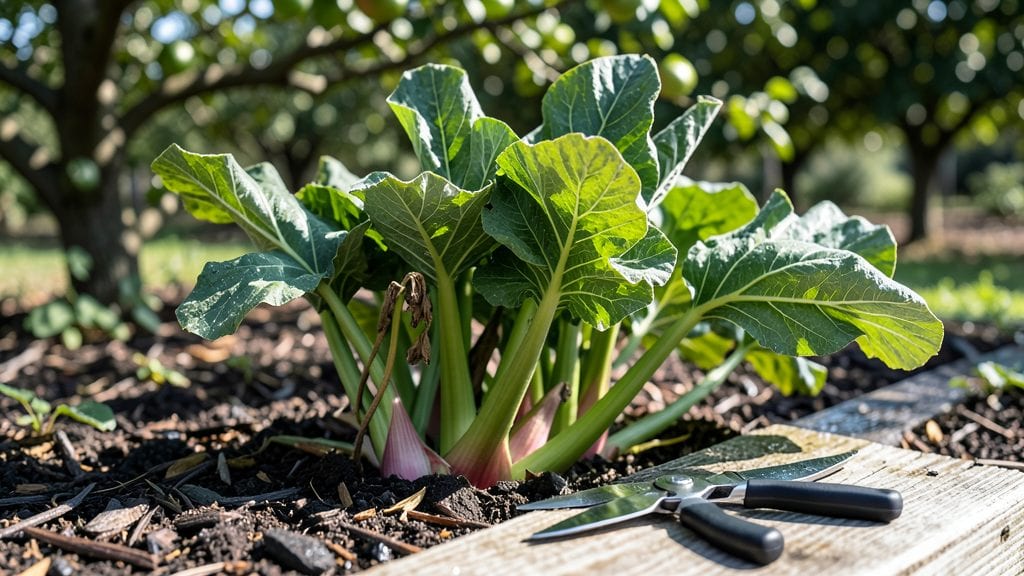
Pruning rhubarb plants in early spring unlocks the secret to year-round harvests—and I’ve learned the hard way that skipping this step means smaller stalks and weaker plants. The first cut matters most: wait until the soil warms to 40°F, when new shoots pop through the ground.
That’s when you know the plant is ready to give back what you’ll take.
Here’s the trick: never cut more than one-third of the stalks at a time, and always leave at least 6 inches of growth above the crown.
I’ve seen gardeners hack off everything, thinking it spurs new growth—it doesn’t. The plant needs energy to recover, and those remaining stalks will thicken and produce twice as many spears next season.
Think of it like a savings account: you take out what you need, but you leave enough to grow.
By mid-summer, your rhubarb will reward you with bold red stalks that snap cleanly at the base, and the crown will stay vigorous for years. The key is consistency: prune again in late summer if stalks appear leggy, but stop by August to let the plant store energy for winter.
You’ll end up with a rhubarb patch that keeps producing well into fall, even after other gardens have given up.
This method works in zones 3-8, whether you’re in a cold northern climate or a mild southern one. The only rule? Don’t rush it—rhubarb is patient, and so should you be. Now grab those shears and let’s get to work.
📚 In This Guide
- What you need
- Instructions
- Tips and common mistakes
- Wrapping up and next steps
What you need
- ● Clean, sharp pruning shears (bypass or anvil type, 4- to 6-inch blades for precision). Why? Dull blades crush stems and invite disease.
- ● Gloves (gardening or heavy-duty work gloves) to protect hands from thorns and sap.
- ● Disinfectant (70% isopropyl alcohol or bleach solution) to sterilize tools between cuts—prevents bacterial spread like crown rot.
- ○ Garden twine or rubber bands (optional, for tying down large stalks if needed).
- ● Compost bin or bag for trimming waste (avoid leaving scraps near the plant).
- ● Mature rhubarb plant (at least 2–3 years old; younger plants need minimal pruning).
- ● Dry, calm weather (avoid pruning after rain or in extreme heat—stress weakens the plant).
- ● Morning sunlight (best time to prune: early morning when stems are firm and dew has evaporated).
- ● Knee pad for comfort during long pruning sessions.
- ● Wheelbarrow or bucket to collect large volumes of stalks.
- ● Plant marker or label to track pruning dates (helpful for beginners!).
Instructions for pruning rhubarb plants
Here’s the straightforward approach I’ve used for years to keep rhubarb productive and healthy.
Identify and Remove Dead or Weak Stems
Start in early spring, just as new shoots emerge, by scanning your rhubarb crown for any stems that look brown, mushy, or hollow at the base. These are dead or diseased and need immediate removal. Use clean, sharp pruners to cut them at the soil line—never pull, as that can damage the crown. I always sterilize my pruners with rubbing alcohol between cuts to prevent spreading disease.
You’ll notice healthy stems are firm, upright, and a vibrant green. These are the ones to keep growing. If you’re unsure whether a stem is dead, gently scratch the outer layer with your fingernail—if it’s soft underneath, it’s time to remove it. This first cut clears the way for new growth and prevents pests from nesting in decaying material.
Harvest Mature Stalks for Year-Round Production
Once your rhubarb stalks reach about 12-18 inches tall and are at least ½ inch thick, they’re ready for harvest. Use a sharp knife or pruners to cut the stalk at a 45-degree angle, about 1 inch above the crown. This angle helps water run off and reduces rot. Never pull stalks—it can uproot the plant or leave behind part of the stalk that won’t regrow.
Harvest in the morning after the frost has lifted, when the stalks are crisp and full of moisture. Leave at least three stalks per plant to ensure the crown remains strong for future growth. If you harvest too aggressively, the plant will struggle to produce next year. I like to mark harvested stalks with a small flag to avoid over-picking in one area.
Cut Back After Harvest Season
Once harvest season winds down in late summer, focus on cleaning up the plant to prepare for dormancy. Cut back any remaining stalks to about 2 inches above the crown, but leave the large, fan-shaped leaves attached. These leaves act as natural mulch, protecting the crown from winter cold and retaining moisture in the soil.
Remove only the dead or yellowed leaves—healthy green ones can stay until early fall. This step prevents disease buildup and keeps the crown healthy for next year’s growth. I also add a 2-inch layer of straw mulch around the base after cutting back to insulate the plant through winter. Avoid using leaves that have shown signs of disease, as they can harbor pathogens.
Prune for Crown Health in Early Spring
Just before new shoots appear in early spring, inspect the crown for any old, woody stalks that haven’t produced leaves in the past year. These stalks are no longer useful and can crowd the center, reducing airflow and increasing disease risk. Use your pruners to cut them off at the base, being careful not to damage the younger, healthier stalks surrounding them.
This is also the time to divide your rhubarb if it’s overcrowded. Look for crowns that have grown 6-8 inches in diameter—these are ready to split. Dig carefully to separate them, ensuring each new division has at least one healthy stalk. Replant the divisions immediately in fresh soil to minimize stress. I’ve found that dividing every 3-4 years keeps my rhubarb vigorous and productive.
Tips & tricks for pruning rhubarb plants
Here's what I've learned through years of trial and error to keep your rhubarb thriving and productive.
Tool Preparation: Always sterilize your pruners between cuts with rubbing alcohol to prevent spreading disease from dead stems to healthy ones. I keep a small bottle of alcohol and a clean rag in my gardening toolkit for quick sanitization. Sharp tools make cleaner cuts that heal faster, so take a moment to sharpen your pruners before starting. This simple step can mean the difference between a healthy plant and one struggling with infections.
Visual Cues for Healthy Growth: When evaluating stems in Step 1, look for the three key indicators of health: firm texture, vibrant green color, and upright growth. The 45-degree angle cut in Step 2 should expose clean, white tissue at the base—not brown or discolored. Healthy stalks should also snap slightly when bent, not feel mushy. These visual cues help you make confident decisions about which stems to keep and which to remove.
Harvest Strategy: In Step 2, leaving at least three stalks per plant is crucial for maintaining the crown's strength. I've found that marking harvested stalks with small flags helps me visualize which areas of the plant have been picked, preventing over-harvesting in one section. This balanced approach ensures your rhubarb continues producing year after year without becoming stressed. The morning harvest timing is also important—stalks are most crisp and flavorful after overnight dew has evaporated.
Seasonal Timing: The early spring timing for Step 1 and Step 4 is critical because that's when new growth begins. I always set a reminder for just as the first shoots emerge—usually in late February or early March in my climate zone. The late summer timing for Step 3 prepares the plant for winter dormancy. Missing these seasonal cues can disrupt the plant's natural growth cycle and reduce next year's harvest.
Pro Tips for Pruning Rhubarb Plants
- Here's what I've learned through years of trial and error to keep your rhubarb thriving and productive.
- Tool Preparation: Always sterilize your pruners between cuts with rubbing alcohol to prevent spreading disease from dead stems to healthy ones.
- Visual Cues for Healthy Growth: When evaluating stems in Step 1, look for the three key indicators of health: firm texture, vibrant green color, and upright growth.
Frequently asked questions
Got questions about pruning rhubarb? You’re not alone! Here are answers to the most common concerns—so you can keep your plants healthy and productive all season long.
When is the best time to prune rhubarb?
Prune rhubarb after harvesting (spring through early summer) and again in late summer to remove seed stalks. Avoid pruning in fall or winter—dormant plants need their energy to regrow. Focus on healthy cuts (never more than ⅓ of the plant) to avoid stressing the crown.
How often should I prune rhubarb?
Prune 2–3 times per year:
- Spring: After harvest, trim damaged or weak stalks to encourage new growth.
- Summer: Remove seed stalks (thin, flower-like stems) to redirect energy to leafy growth.
- Late summer: Cut back any remaining seed stalks before dormancy.
What if I prune too much?
Over-pruning weakens the plant, reducing next year’s harvest. Stick to these rules:
- Never cut more than ⅓ of the stalks at once.
- Avoid trimming leaves (they feed the plant!).
- Skip pruning in fall/winter—let the plant rest.
Can I prune rhubarb in the fall?
No—fall pruning is a myth! Rhubarb stores energy in its roots for spring growth. Pruning in fall can expose the crown to frost or disease. Instead, leave stalks and leaves intact until early spring. Mulch lightly for winter protection.
What if my rhubarb isn’t growing after pruning?
Check these common issues:
Poor soil? Rhubarb loves rich, well-draining soil. Amend with compost if needed.
Too much shade? Plant in full sun (6+ hours/day) for optimal growth.
Overcrowded? Divide clumps every 4–5 years to prevent decline.
Pests/disease? Look for slugs, crown rot, or aphids. Treat with organic sprays if necessary.
Patience is key—rhubarb can take 2–3 years to fully mature after division.Wrapping up and next steps
Pruning rhubarb isn’t just about tidying up—it’s the secret to bountiful, long-lasting harvests! By mastering the three key cuts (early spring, post-harvest, and late summer), you’ll encourage healthier growth, prevent disease, and enjoy fresh stalks for months.
Think of it as a year-round reward for a little seasonal elbow grease.
Ready to transform your garden? Grab your pruners, roll up your sleeves, and give it a try—your future breakfasts (and smoothies!) will thank you. 🌱💚 Next up: Track your plant’s progress and adjust cuts as needed—experimentation is part of the fun!