Picking
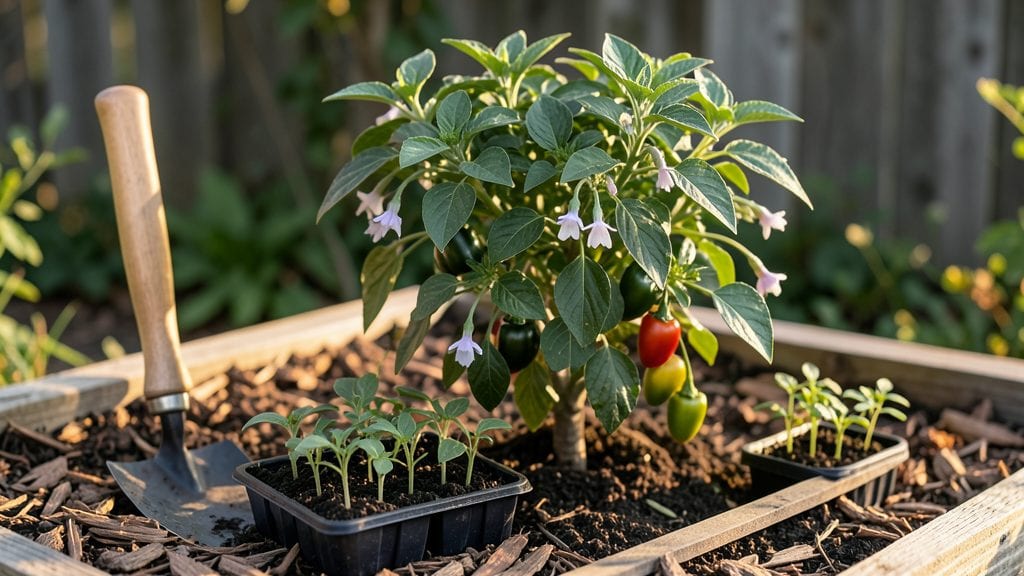
Planting pimento peppers in your garden unlocks the secret to homemade roasted red peppers—sweet, smoky, and packed with flavor straight from your own plot. 🌱 I learned the hard way that these peppers need patience, but once you nail the timing and soil, they reward you with glossy green fruits that turn vibrant red by fall.
The key isn't just sticking seeds in the ground; it's about matching their warm-season love with your local climate.
Start with rich, well-draining soil mixed with compost—pimento peppers hate soggy roots—and plant them after your last frost when soil temps hit 70°F. Transplants give you a head start, but if you're growing from seed, begin indoors 8-10 weeks before the last frost.
Space them 18 inches apart in full sun, and don't bury the stems too deep; just 1/4 inch below soil level keeps them happy. These peppers thrive in heat but bolt quickly if nights dip below 55°F, so get them in the ground early.
Keep the soil consistently moist but never soggy—think damp sponge, not swamp—and mulch around the base to retain moisture. You'll see seedlings pop in 7-14 days, and flowers will appear by midsummer.
The real magic happens when those green peppers start swelling; that's when you know you're on track for a harvest that'll make store-bought roasted peppers taste bland. Prune suckers early to focus energy on fruit production, and watch your plants transform into lush, productive bushes.
Here's the thing—pimento peppers are finicky about heat and water, so don't rush them. If your garden gets 90°F+ days, provide afternoon shade to prevent sunscald on young fruits.
And if you're in a short-season area, opt for early-maturing varieties like 'Wonder' or 'Yolo Wonder' to squeeze in a full harvest. With the right care, you'll go from seed to jarred peppers in 90-120 days, and trust me, nothing beats the taste of homegrown.
📚 In This Guide
- What you need
- Instructions
- Tips and common mistakes
- Wrapping up and next steps
What you need
- ● Pimento Pepper Seeds: 10–20 seeds (choose a variety like Pimiento de Padrón or California Wonder for best results).
- ● Seed Starting Mix: 1–2 gallons of sterile, well-draining potting soil (look for a mix labeled for seedlings).
- ● Containers: 2–4 biodegradable seedling pots (3–4 inches deep) or a seed tray with cell inserts.
- ● Grow Lights or Sunny Window: A full-spectrum LED grow light (12–16 hours/day) or a south-facing window with consistent sunlight.
- ● Watering Can or Spray Bottle: With a fine mist nozzle for gentle watering.
- ● Fertilizer: Balanced, water-soluble fertilizer (5-10-5 ratio) for seedlings.
- ● Transplant Pots or Garden Space: 5–6 inch pots (if container-growing) or a sunny garden bed (6+ hours of sunlight daily, pH 6.0–7.0).
- ● Mulch: Organic mulch (straw or shredded leaves) to retain moisture and suppress weeds.
- ● Trowel or Small Shovel: For transplanting seedlings.
- ● Pruning Shears: To trim leggy plants and encourage bushiness.
- ○ Support Stakes or Cages: (Optional) For taller varieties (e.g., 3–4 foot stakes).
- ● Plant Markers: To label varieties and track progress.
- ○ Thermometer: (Optional) To monitor soil/air temp (ideal: 70–85°F for germination).
- ○ Compost or Worm Castings: (Optional) For nutrient-rich soil amendments.
- ● Pest Control: Neem oil or insecticidal soap (for aphids/spider mites).
Step-by-Step instructions for planting pimento peppers
Here's how to grow these versatile peppers from seed to harvest with minimal fuss.
🌱 Step 1: Start Seeds Indoors 8-10 Weeks Before Last Frost
Fill 2-3 inch deep seedling trays with moistened seed-starting mix, pressing gently to remove air pockets. Pimento peppers need warmth to germinate, so place trays on a seedling heat mat set to 75-85°F. Sow seeds ¼ inch deep, spacing them ½ inch apart—they’re small but pack a flavor punch.
Cover the tray with plastic wrap to retain moisture, then place under grow lights 12-14 hours daily. Keep the soil consistently moist but never soggy—you’ll see tiny sprouts in 7-14 days. Once seedlings emerge, remove the plastic and keep lights 2-3 inches above the plants to prevent legginess.
☀️ Step 2: Harden Off and Transplant After All Frost Risk Passes
Two weeks before your last frost date, begin hardening off seedlings by moving them outdoors for 1-2 hours daily, gradually increasing exposure. Choose a sheltered spot with morning sun to avoid cold snaps. Pimento peppers thrive in full sun (6-8 hours daily), so pick a warm, sunny garden bed or large container.
Transplant seedlings 12-18 inches apart in well-draining soil amended with compost. Dig holes slightly deeper than the root ball to encourage strong root growth. Water deeply after planting to settle the soil—you’ll know it’s right when moisture reaches 6 inches down.
💧 Step 3: Water Deeply and Maintain Consistent Moisture
Water pimento peppers at the base 1-2 inches deep every 3-4 days, adjusting for heat. These peppers hate soggy roots but also dislike drying out—let the top 1 inch of soil dry between waterings. Mulch with 2-3 inches of straw or shredded leaves to retain moisture and suppress weeds.
Fertilize lightly every 4-6 weeks with a balanced organic fertilizer (10-10-10). Too much nitrogen makes plants leafy but few peppers—watch for green, bushy growth without flowers. Instead, focus on small, yellow flowers appearing in late spring, signaling pepper production.
✂️ Step 4: Prune and Harvest for Maximum Yield
Pinch off the first few flowers if your plants look leggy—this redirects energy to stronger stems. Once peppers form, harvest green pimentos when 2-3 inches long for pickling or let them ripen to red for roasting. Use pruning shears to snip stems cleanly, leaving ¼ inch of stem attached to prevent disease.
Continue harvesting regularly—this encourages more production. In cooler climates, bring potted plants indoors before 40°F nights and place them near a sunny window. With proper care, you’ll get peppers 60-90 days after transplanting, with some varieties producing until frost.
Tips & tricks for perfect pimento pepper planting
A few key strategies will help you avoid common pitfalls and maximize your harvest of these flavorful peppers.
Heat Matters: The 75-85°F heat mat temperature in Step 1 is crucial for germination—these peppers won't sprout well in cooler conditions. If your home stays below 70°F, consider using a heating pad or placing trays on top of your fridge. I learned this the hard way after waiting weeks for sprouts that never came!
Lighting Secret: Those 12-14 hours of grow lights in Step 1 should be just 2-3 inches above the seedlings. Too high and they'll stretch toward the light; too low and they'll burn. Adjust the height as they grow—aim for leaves gently brushing the lights when mature. This prevents leggy seedlings that flop over.
Transplanting Tip: When you transplant in Step 2, bury the stems slightly deeper than they were in the seedling tray. This encourages stronger root systems to develop from the buried stem sections. Just make sure the soil stays consistently moist for the first week after transplanting—this helps roots establish quickly.
Watering Wisdom: The 1-2 inches deep watering in Step 3 means you should be able to stick your finger 1-2 inches down and feel moisture. If it's dry at that depth, it's time to water. For container plants, check the weight—lift the pot and if it feels light, it needs water. This method prevents both underwatering and soggy roots.
Pro Tips for Planting Pimento Peppers
- A few key strategies will help you avoid common pitfalls and maximize your harvest of these flavorful peppers.
- Heat Matters: The 75-85°F heat mat temperature in Step 1 is crucial for germination—these peppers won't sprout well i...
- Lighting Secret: Those 12-14 hours of grow lights in Step 1 should be just 2-3 inches above the seedlings. Too high a...
Frequently asked questions
Got questions about growing pimento peppers?
You’re not alone! Here are answers to the most common queries to help you cultivate these flavorful peppers like a pro.
What’s the best time to plant pimento peppers?
Plant pimento peppers after the last frost when soil temperatures reach at least 60°F (15°C). Start seeds indoors 8–10 weeks before the last frost for a head start. In warmer climates (zones 9–11), you can direct-sow in early spring or even late summer for a fall harvest.
Can I grow pimento peppers in containers?
Pimento peppers thrive in containers as long as the pot is at least 12–18 inches deep with drainage holes. Use a high-quality potting mix and place them in full sun. Just ensure they get enough space to spread (18–24 inches apart) and fertilize regularly for best results.
Why are my pimento pepper plants wilting or turning yellow?
Wilting or yellowing leaves often signal underwatering, overwatering, or pests. Check soil moisture—peppers prefer consistently moist but well-drained soil. Yellowing leaves may also indicate nutrient deficiency (try a balanced fertilizer) or aphids/spider mites. Inspect the undersides of leaves and treat with neem oil if needed.
How do I know when pimento peppers are ripe for picking?
Pimento peppers turn from green to deep red, orange, or yellow when fully ripe. They’ll also feel slightly soft to the touch. Pick them when they’re firm but vibrant in color for the best flavor. Harvest regularly to encourage more production—ripe peppers won’t re-ripen once picked!
What can I plant alongside pimento peppers for a thriving garden?
Pimento peppers love companion plants like basil (repels pests), onions (deters aphids), or marigolds (deters nematodes). Avoid planting them near fennel or dill, as these can stunt their growth. Interplanting with leafy greens (like lettuce) also maximizes space in small gardens.
Wrapping up and next steps
Growing pimento peppers is a rewarding journey that brings bold flavors and vibrant colors to your garden—and your kitchen! 🌱 Whether you're drawn to their sweet, tangy taste or their fiery kick, these peppers thrive with the right care.
Now that you’re equipped with the essentials, it’s time to roll up your sleeves and plant those seeds or seedlings.
Start small, stay consistent, and soon you’ll be harvesting peppers to spice up everything from jam to sauces. Need more inspiration? Check out our guide on preserving your harvest—because great peppers deserve to be savored all year long!