
Planting
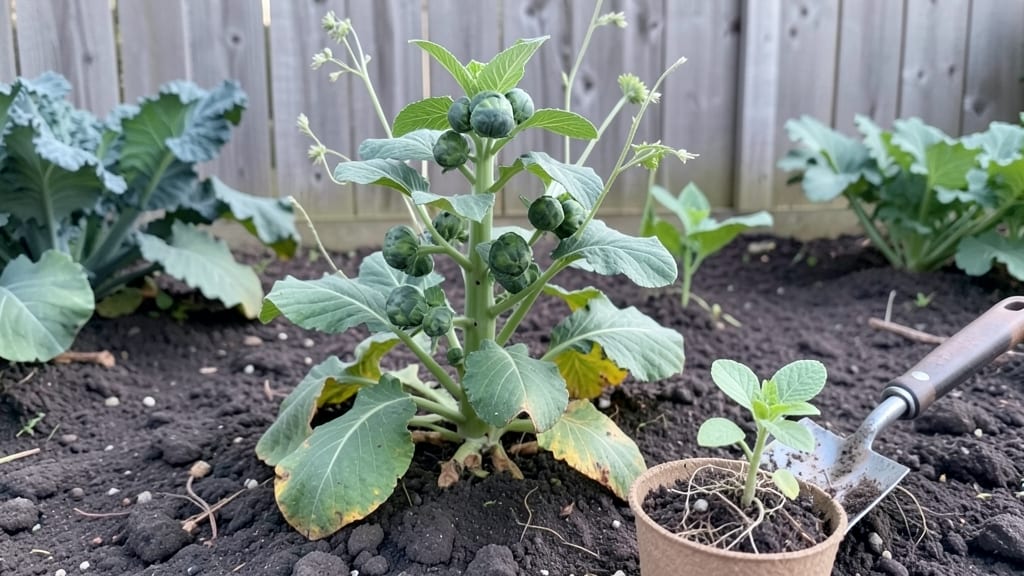
Planting Brussels sprouts in fall guarantees a sweeter harvest right when your Thanksgiving table needs it most. 🌱 I’ve grown them this way for five years, and the cooler weather actually makes the flavor richer—no bitter aftertaste like summer heat can cause.
The key is timing: seeds go in the ground 6-8 weeks before your first frost, so they mature before winter sets in.
The soil prep is simple but critical—work in 2-3 inches of compost and a handful of 5-10-10 fertilizer per plant to fuel their slow, steady growth. Brussels sprouts need 18-24 inches of space between plants, so don’t crowd them.
In colder zones (like mine in Zone 5), I add a light row cover after frost to protect young plants without smothering them.
By November, you’ll have compact, glossy plants with tight little sprouts forming at the stem. The cold actually sweetens them, and pests like cabbage worms are less active in fall.
Just watch for overcrowded seedlings—thin them early to avoid competition. With proper care, you’ll harvest until hard frost, and the leftovers? Perfect for stir-fries or roasting.
Southern gardeners can plant even later—October through November—but choose heat-tolerant varieties like ‘Long Island Improved.’ The same rules apply: cool nights, rich soil, and patience. Once you try fall planting, you’ll never buy store-bought again—they’re just not the same.
📚 In This Guide
- What you need
- Instructions
- Tips and common mistakes
- Wrapping up and next steps
What you need
- ● Brussels sprouts seeds: 1–2 oz (about 200–400 seeds) per 10-foot row. Choose cold-hardy varieties like "Long Island Improved" or "Jade Cross" for fall planting.
- ● Well-draining soil: Amend with 2–3 inches of compost or aged manure to enrich nutrients. Aim for a pH of 6.0–7.0.
- ● Fertilizer: Balanced 10-10-10 or organic options like fish emulsion (apply at planting and mid-season).
- ● Watering can or hose: With a gentle spray nozzle for even moisture.
- ● Row markers or stakes: To space seeds 18–24 inches apart in rows 2–3 feet apart.
- ● Mulch (straw or shredded leaves): 2–3 inches thick to protect roots from frost.
- ● Seedling trays: For starting indoors 6–8 weeks before the last frost (if your climate is short on growing season).
- ● Row cover or frost cloth: To shield young plants from early cold snaps.
- ● Drip irrigation system: For consistent moisture without overwatering.
- ● Garden gloves: To keep hands clean while handling soil or compost.
Step-by-Step instructions for planting Brussels sprouts in fall
Here's the method I rely on to grow sweet, cold-hardy Brussels sprouts—ready for harvest just in time for holiday meals.
🌱 Step 1: Choose the Right Variety and Prepare the Soil
Select a cold-hardy variety like 'Long Island Improved' or 'Ruby Ball'—these thrive in fall's chilly temperatures. Brussels sprouts need well-draining soil rich in organic matter, so mix the 5 gallons of compost into the top 12 inches of your planting area. I like to work it in a few weeks before planting to let beneficial microbes establish.
Test your soil's pH—Brussels sprouts prefer 6.0-7.0. If your soil runs acidic, add 1 cup of dolomitic lime per 100 square feet and till it in. The goal is loose, fertile soil that holds moisture but drains excess to prevent rot. Amend heavy clay by adding 2 gallons of coarse sand per planting hole.
🪴 Step 2: Plant Transplants at the Right Depth and Spacing
Set transplants 18-24 inches apart in rows 30 inches apart to allow airflow and prevent disease. Dig a hole slightly deeper than the root ball—Brussels sprouts develop a long taproot, so bury the stem up to the first set of leaves. This encourages stronger root growth. I like to firm the soil gently around the base with my fingers to eliminate air pockets.
Water deeply immediately after planting to settle the soil and eliminate air gaps. The top 2 inches of soil should feel damp but not soggy. Mulch with 3 inches of straw to retain moisture and suppress weeds. Avoid synthetic mulches—they can trap too much heat and alter soil temperature.
☀️ Step 3: Provide Consistent Care Through Fall
Brussels sprouts need full sun (6+ hours daily), but they'll tolerate partial shade in hot climates. Water 1-2 inches per week, keeping the soil evenly moist—never soggy. I check moisture by pushing my finger 1 inch deep; if it feels dry, it's time to water. Inconsistent moisture leads to bitter sprouts, so use a drip irrigation system if possible.
Fertilize lightly with 1 tablespoon of 10-10-10 fertilizer per plant when sprouts form, about 6-8 weeks after planting. Too much nitrogen now will encourage leafy growth at the expense of the sprouts. Watch for cabbage worms—cover plants with floating row fabric if pests appear, or handpick eggs daily.
⏰ Step 4: Time Harvest for Peak Flavor
Brussels sprouts sweeten in cold weather, so wait until frost threatens—typically 80-100 days after planting. Harvest by twisting sprouts gently from the stem; they should snap off cleanly. Start with the lower sprouts first, working your way up the stalk. Leave the top 4-6 inches unharvested to allow continued growth.
Continue harvesting every 2-3 days until hard frost kills the plant. Store unharvested sprouts in the fridge for up to 2 weeks, or blanch and freeze for long-term storage. If your plants bolt before frost, cut the entire stalk at the base, remove leaves, and hang it upside down in a cool, dark place—sprouts will continue forming along the stem for weeks.
Tips & tricks for perfect fall Brussels sprout planting
Fall planting success comes down to preparation and timing—here's what I've learned after growing sweet, cold-hardy Brussels sprouts for holiday harvests.
Soil Preparation Insight: The 5 gallons of compost and 12-inch soil depth in Step 1 aren't just about nutrients—they create the perfect moisture balance. I've found that adding a handful of perlite to the amended soil improves drainage even further, especially in clay-heavy areas. This prevents the dreaded rot that can occur when roots sit in soggy conditions, while still maintaining that moisture retention crucial for sprout development.
Planting Depth Secret: Burying the stem up to the first set of leaves in Step 2 might seem counterintuitive, but this technique actually stimulates root growth along the buried stem. I've noticed plants treated this way develop stronger root systems that can better withstand fall's temperature fluctuations. Just be gentle when firming the soil—too much pressure can compact the roots and restrict growth.
Watering Strategy: The 1-2 inches per week guideline in Step 3 works beautifully, but timing matters just as much as quantity. I water in the early morning to allow foliage to dry completely before evening, which dramatically reduces fungal diseases. For container gardening, I've found that self-watering pots maintain that perfect 1-inch deep moisture level without the risk of overwatering that comes with manual watering schedules.
Harvest Timing: Waiting for frost to sweeten the sprouts in Step 4 is worth the wait, but there's a sweet spot beyond just the 80-100 day window. I've discovered that harvesting when temperatures dip to 30-35°F at night produces the most flavorful sprouts. The cold triggers natural sugars to concentrate—just don't let temperatures drop below 20°F for extended periods, as this can damage the plants.
Pro Tips for Planting Brussel Sprouts In Fall
- Fall planting success comes down to preparation and timing—here's what I've learned after growing sweet, cold-hardy Brussels sprouts for holiday harvests.
- Soil Preparation Insight: The 5 gallons of compost and 12-inch soil depth in Step 1 aren't just about nutrients—they create the perfect moisture balance.
- Planting Depth Secret: Burying the stem up to the first set of leaves in Step 2 might seem counterintuitive, but this technique actually stimulates root growth along the buried stem.
Frequently asked questions
Got questions about planting Brussels sprouts in fall? You’re not alone! Here are answers to the most common concerns to help you grow a thriving crop—no stress, just sprouts.
Why plant Brussels sprouts in the fall instead of spring?
Fall planting gives Brussels sprouts a head start on cold weather, which actually improves their flavor! The cool temps (40–50°F) sweeten the sprouts naturally. Plus, you avoid summer heat stress and harvest just in time for holiday meals.
How late can I plant Brussels sprouts in fall?
Most varieties tolerate light frosts, so aim to plant 6–8 weeks before your first frost date. In warmer climates (Zones 7–10), stretch it to 10–12 weeks—just ensure sprouts mature before winter. Check your local frost dates for precision!
What if my soil isn’t ideal for Brussels sprouts?
Brussels sprouts thrive in well-draining, slightly acidic soil (pH 6.0–7.0). If yours is heavy clay or alkaline:
- Amend with compost or peat moss for drainage.
- Add sulfur or pine needles to lower pH if needed.
- Consider container gardening with a high-quality potting mix.
How do I protect my plants from pests like cabbage worms?
Use these organic defenses:
- Cover seedlings with floating row covers until harvest.
- Handpick pests early in the morning (they’re sluggish then!).
- Spray with neem oil or Bt (Bacillus thuringiensis) as a last resort.
Can I plant Brussels sprouts from store-bought sprouts?
Nope! Store-bought sprouts are bred for shelf life, not regrowth. Instead, save seeds from open-pollinated varieties or buy certified organic seeds from a nursery. For next year, try saving seeds from your healthiest plants!
What’s the best way to harvest Brussels sprouts?
Start harvesting from the bottom up when sprouts are 1–2 inches wide (firm but tender). Use a sharp knife or twist gently—leave 1–2 inches of stem between cuts. Harvest every 1–2 weeks for continuous yield. Stop when temps drop below 20°F or sprouts turn mushy.
Wrapping up and next steps
Planting Brussels sprouts in the fall is a rewarding way to enjoy fresh, homegrown veggies just in time for the holidays! 🍂 With the right timing, soil prep, and care, you’ll harvest sweet, flavorful sprouts that rival store-bought—all while embracing the cozy rhythm of autumn gardening.
Whether you’re a seasoned green thumb or a curious beginner, this is your chance to turn a small patch of earth into a Thanksgiving centerpiece.
Ready to take the next step? Start by marking your calendar—aim to plant seeds 8–10 weeks before your first frost—and gather your supplies. Then, roll up your sleeves, dig in, and watch your garden transform into a mini Brussels sprout oasis. Happy planting! 🌱