
Diseases
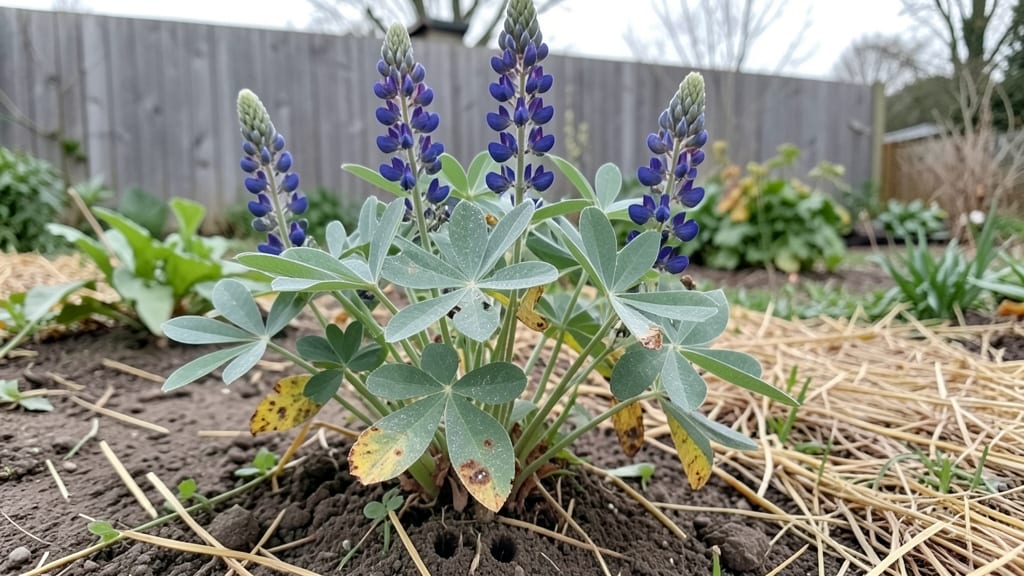
Lupine plant diseases can turn your vibrant blue spires into sad, wilted messes if you don’t catch them early. 🌱 I’ve seen powdery mildew turn my lupines into ghostly white skeletons, and rust leave them looking like they’ve been sprayed with rust-colored paint—both problems that spread faster than weeds in a spring rain.
The good news? Most of these issues have simple fixes once you know what you’re dealing with.
Fungal infections like powdery mildew and rust thrive in damp, crowded conditions, while bacterial spots show up as dark, water-soaked marks on leaves. Poor air circulation and overwatering are usually the culprits, but even healthy lupines can get hit if the weather turns humid overnight.
The key is acting fast—once those spots appear, the damage is already done, but you can still save your plants with the right treatment.
You’ll learn how to spot these diseases early, use organic sprays like neem oil or copper fungicide, and adjust your care routine to keep lupines thriving. With the right approach, you can turn back the clock on fungal infections and give your lupines the strong, disease-resistant growth they deserve.
Let’s get your plants back to their best.
Whether you’re dealing with a single infected plant or want to prevent future outbreaks, these strategies work for both garden beds and containers. The goal? Lupines that stand tall, bloom blue, and stay healthy all season long.
Root Causes of Lupine Struggles
Lupines are hardy, nitrogen-fixing powerhouses—but when diseases strike, they’re often the result of avoidable environmental or biological triggers. Understanding the why behind lupine plant diseases helps you take proactive steps to protect your garden. Below, we break down the most common culprits and their scientific roots.
Fungi thrive in high humidity, poor airflow, and wet foliage, creating the perfect storm for lupine infections like powdery mildew, rust, and root rot. Here’s why:
- Excess Moisture 🌧️ Fungal spores germinate when lupine leaves or soil stay damp for prolonged periods. Overhead watering (especially in the evening) encourages fungal spores to land on leaves and take hold. Actionable fix: Water at the base in the morning and ensure containers or beds have drainage.
- Crowded Plantings 🌿🔄 Lupines grown too closely restrict airflow, trapping moisture near leaves. Fungal spores spread faster in stagnant air. Actionable fix: Space plants 12–18 inches apart and prune to improve circulation.
- Organic Debris Buildup 🍂🔥 Dead leaves, mulch, or old plant matter provide hiding spots for fungal spores. Actionable fix: Remove debris promptly and avoid thick mulch layers near the stem.
Bacterial diseases (like leaf spot or stem rot) exploit open wounds, poor sanitation, or stressed plants. Here’s how they gain entry:
- Physical Damage ⚔️🌱 Pruning cuts, hail, or insect bites create entry points for bacteria. Actionable fix: Sterilize tools with rubbing alcohol between cuts and avoid rough handling.
- Contaminated Water or Soil 💦🌍 Water from infected plants or contaminated compost can carry bacteria. Actionable fix: Use filtered or rainwater and pasteurize soil (heat to 180°F for 30 minutes) if reusing garden beds.
- Stress from Over/Under-Watering 💧⚖️ Lupines wilted from drought or waterlogged roots become bacterial magnets. Actionable fix: Maintain consistent moisture—neither soggy nor bone-dry.
Lupines rely on healthy soil for nitrogen fixation. When soil conditions degrade, diseases like root rot or nematode damage take over:
- Compacted or Poor-Draining Soil 🏗️💦 Waterlogged roots suffocate, inviting Phytophthora (a water mold). Actionable fix: Amend clay soil with compost or sand and raise beds if drainage is poor.
- Nutrient Imbalances 🧪🌱 Over-fertilizing (especially nitrogen) weakens lupines’ natural defenses. Actionable fix: Test soil pH (ideal: 6.0–7.0) and use balanced, organic fertilizers sparingly.
- Pests Compromising Roots 🐜🐛 Grubs, slugs, or nematodes create wounds that open doors for secondary infections. Actionable fix: Use row covers or nematode-resistant varieties like Lupinus polyphyllus.
Pro Tip: 🔍 Early diagnosis is key! Yellowing leaves? Check for fungal spots. Soft, mushy stems? Bacterial infection may be brewing. Act fast—prevention (like copper fungicides for bacterial issues) beats cure.*
Quick Fixes for Lupine Plant Ailments
When your lupines start showing signs of distress—whether it’s wilting, discoloration, or strange spots—acting fast can save your plants. Below are practical, step-by-step solutions tailored to the most common lupine diseases, along with prevention tips to keep your garden thriving.
🔥 Remove Infected Foliage Immediately
Fungal spores spread like wildfire, so prune away any yellowed, spotted, or moldy leaves before they infect healthy parts. Use sterilized pruners (wipe with rubbing alcohol) and dispose of debris in a sealed trash bag—not the compost!
🍳 Fungicide Spray (Natural or Chemical)
For powdery mildew, rust, or root rot, mix one of these: - Baking soda spray: 1 tsp baking soda + 1 tbsp oil + 1 tsp mild soap per quart of water.
Spray early morning (avoids burning leaves). - Neem oil solution: 1 tbsp neem oil + 1 tsp soap per gallon of water. Reapply every 7–10 days. - Copper fungicide: Follow label instructions for severe cases (e.g., Phytophthora root rot).
✨ Pro Tip: Water at the base, not overhead—wet leaves = fungal buffet!
🌡️ Improve Airflow and Drainage
Fungi love damp, crowded conditions. Space plants 12–18 inches apart and mulch with straw or pine needles (not thick layers) to prevent soil-borne fungi. If your garden stays soggy, raise beds or add gravel to improve drainage.
👨🍳 Prune and Sterilize Aggressively
Bacterial blight (Xanthomonas or Pseudomonas) causes oily spots that ooze when wet. Cut out infected stems ½ inch below the lesion, then sterilize tools between cuts. Do not compost infected plant material—burn or trash it to stop spread.
🥘 Copper-Based Bactericide
For stubborn cases, use a copper fungicide/bactericide (e.g., Copper Sulfate or Fixed Copper). Spray every 5–7 days until new growth appears. Avoid spraying when blooms are open to protect pollinators.
🔪 Rotate Plant Locations
Bacteria linger in soil. Move lupines to a fresh spot next season and avoid planting legumes (like peas or beans) in the same area for 2–3 years.
🔪 Blast Off Pests with Soap or Oil
Aphids and flea beetles weaken lupines, making them susceptible to disease. Spray with insecticidal soap (1 tbsp liquid castile soap per quart of water) or neem oil (1% solution).
For flea beetles, cover young plants with lightweight row fabric.
🎯 Introduce Beneficial Insects
Ladybugs and lacewings devour aphids. Buy them online or plant companion flowers like marigolds or dill to attract them naturally.
🌿 Strengthen Plant Resistance
Healthy lupines fight off pests better. Fertilize lightly with a low-nitrogen, high-phosphorus mix (e.g., 5-10-10) to boost root health. Avoid overwatering—stressed plants are pest magnets.
| Problem | Prevention Hack |
|---|---|
| Fungal Spread | Space plants 12–18" apart; water deeply but infrequently. |
| Bacterial Blight | Rotate crops; sterilize tools between gardens. |
| Pests | Interplant with garlic or chives; inspect leaves weekly. |
| Root Rot | Test soil pH (lupines prefer 6.0–7.0); amend clay soil with compost. |
💡 Golden Rule: Start clean—buy disease-resistant lupine varieties (e.g., Lupinus polyphyllus ‘Russell Hybrid’) and inspect new plants before planting.
By tackling issues early and preventing recurrence, your lupines will bounce back stronger—and stay disease-free for seasons to come! 🌿✨
Frequently asked questions about lupine plant diseases
What are the most common signs of fungal infections in lupines?
Look for white powdery coatings (powdery mildew), orange-brown rust spots, or blackened leaf patches. Fungal issues often appear on upper leaves first, especially in crowded or damp conditions. If you see yellowing between leaf veins, it’s likely a fungal problem spreading.
Can I use household items like baking soda to treat lupine diseases?
A baking soda spray (1 tsp baking soda + 1 tbsp oil + 1 tsp soap per quart of water) works well for fungal issues like powdery mildew. Just spray in the morning to avoid leaf burn, and reapply every 7–10 days. It’s organic, safe, and often just as effective as commercial fungicides.
How do I know if my lupines have bacterial spots instead of fungal issues?
Bacterial spots appear as dark, water-soaked marks that often ooze when wet, while fungal spots are usually dry and powdery. Bacterial infections also spread faster and cause leaves to yellow or drop quickly. If stems feel soft or mushy, it’s likely bacterial—prune aggressively and sterilize tools.
Will my lupines recover if I remove infected leaves?
Yes, but act fast! Cut out infected foliage before it spreads, and dispose of it in a sealed bag—not compost. Prune in dry weather to help wounds heal faster. For severe cases, combine pruning with a copper fungicide/bactericide to stop further damage.
How can I prevent lupine diseases before they start?
Space plants 12–18 inches apart, water at the base (never overhead), and improve airflow by pruning. Use disease-resistant varieties like Lupinus polyphyllus, rotate planting locations yearly, and avoid thick mulch near stems. Healthy soil (pH 6.0–7.0) also boosts natural resistance.