
Diseases
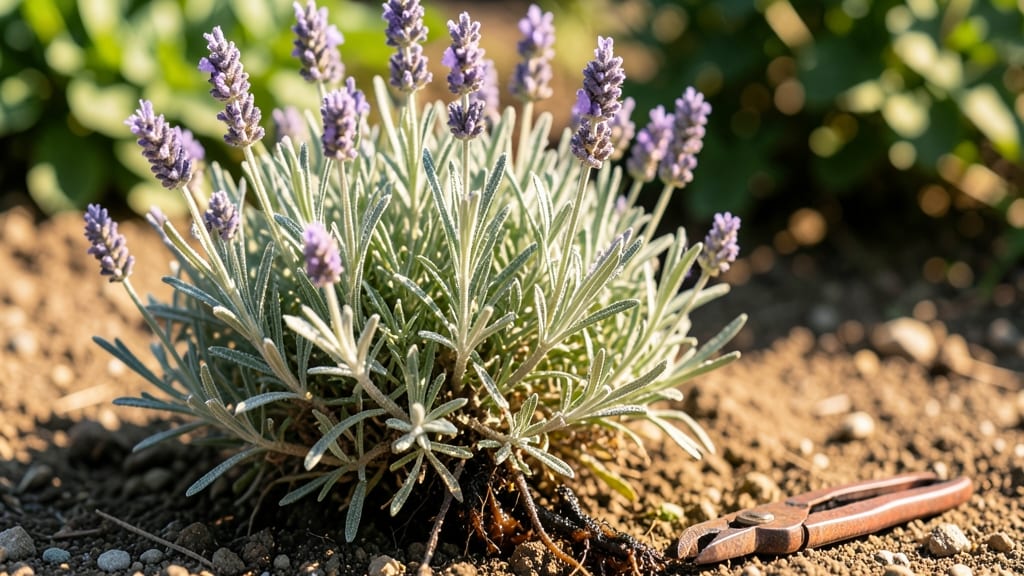
Lavender plant diseases like powdery mildew and root rot can turn your fragrant bushes into sad, struggling shadows—until you know how to spot and stop them. 🌿 I’ve seen healthy lavender turn crispy brown overnight, and the key to saving yours is recognizing those early warning signs before they spread.
The good news? Most issues come from overwatering, poor drainage, or crowded plants—problems you can fix with simple adjustments.
Powdery mildew leaves white, dusty patches on leaves, while root rot causes yellowing stems and a foul smell at the base. Bacterial leaf spot shows up as dark spots with yellow halos, and rust fungus creates orange pustules.
The first step is always improving airflow and cutting back on water—lavender hates soggy feet. Once you’ve identified the problem, organic sprays like neem oil or baking soda mixtures can turn things around before they get serious.
With the right care, your lavender will bounce back stronger than ever. Prune affected branches immediately, space plants at least 2 feet apart, and water only at the base in the morning.
Within weeks, you’ll see fresh green growth and that signature lavender fragrance returning. The secret is acting fast—don’t wait until the whole bush looks like it’s been sunburned.
Even experienced gardeners catch these diseases, but knowing the symptoms puts you ahead of the game. Once you’ve mastered the basics, you’ll spot trouble before it starts—and keep your lavender thriving for years. Let’s get those bushes back to their best.
Root Causes Behind Lavender Ailments
Lavender’s fragrant beauty makes it a garden favorite, but its resilience can crumble when environmental stressors or pathogens take hold. Understanding why these diseases strike is the first step to prevention. Below, we break down the key culprits—from invisible microbes to overlooked care mistakes—that turn your lavender into a battleground.
Lavender thrives in dry, well-draining soil, and excess moisture is its arch-nemesis. When roots sit in soggy conditions, they suffocate, creating the perfect breeding ground for Phytophthora (a water mold) and root rot. Here’s why it happens:
- Compacted or clay-heavy soil traps water, preventing oxygen from reaching roots. Lavender’s native Mediterranean roots hate this—think of it like drowning a cactus.
- Overzealous watering (especially in winter) mimics a rainforest environment. Lavender needs drought-like conditions—water only when the top 2 inches of soil are bone-dry.
- Lack of raised beds or gravel in containers can cause water to pool. Without elevation or a gravel base, roots rot faster than a soggy muffin.
💡 Pro Tip: If your lavender’s leaves turn yellow or mushy, it’s not thirsty—it’s drowning. Amend soil with perlite or coarse sand (50/50 mix) to mimic its natural rocky habitat.
Fungi like Botrytis blight (gray mold) and powdery mildew love lavender—especially when humidity spikes above 60%. These spores lurk in:
- Dense foliage: Crowded plants trap moisture, creating a fungal sauna. Prune for airflow!
- Nighttime dew: Lavender needs 6+ hours of sunlight daily. Shady spots or evening watering extend dew time, fueling fungal growth.
- Old mulch or debris: Dead leaves or thick mulch (like wood chips) smother roots and harbor spores. Use gravel or straw mulch instead.
🌡️ Warning Sign: If white powdery patches appear on leaves or stems, it’s powdery mildew. These spores spread via wind or splashing water—never water overhead!
Bacterial diseases like Xanthomonas (leaf spot) or Pseudomonas (stem rot) hitch rides on:
| Source | How It Spreads |
|---|---|
| Dirty pruning shears | Cutting infected stems transfers bacteria to healthy plants. |
| Reused potting mix | Old soil may harbor dormant bacteria. Sterilize soil with baking soda (1 tbsp/gallon) or solarization. |
| Rain splashing | Water droplets carry bacteria from soil to leaves. Space plants 18–24 inches apart to reduce splash zones. |
🔪 Prevention: Disinfect tools with 70% isopropyl alcohol or a 10% bleach solution (1 part bleach to 9 parts water) between cuts. Never reuse soil from a diseased plant!
Lavender is a low-maintenance plant—too much love (or the wrong kind) backfires:
- Excess nitrogen: Lush green growth = weak stems. Nitrogen-heavy fertilizers (like lawn fertilizer) make lavender soft targets for breakage and disease.
- Phosphorus/potassium imbalance: Too little phosphorus = stunted roots; too much potassium = salt buildup, stressing plants.
- Micronutrient starvation: Lack of magnesium or calcium weakens cell walls, making plants vulnerable to pathogens.
✨ Fix It: Use a balanced, slow-release fertilizer (5-10-5 ratio) once a year in early spring. Never fertilize in fall or winter—lavender rests!
Insects like aphids, spider mites, or lavender root borers don’t just nibble—they injure plants, creating entry points for diseases:
- Aphids: Their honeydew attracts sooty mold, a fungal growth that smothers leaves.
- Root borers: Larvae tunnel into stems, disrupting water flow and inviting bacterial wilt.
- Spider mites: They suck plant sap, weakening foliage and making it prone to powdery mildew.
👨🍳 Early Action: Inspect undersides of leaves weekly. Blast pests off with water or use neem oil (1 tsp/gallon of water) to disrupt their life cycle.
Fixing Fungal and Bacterial Woes
Lavender’s fragrant beauty can quickly fade when diseases strike, but the good news? Most issues have practical, actionable fixes—whether you’re dealing with powdery mildew, root rot, or bacterial blight. Below, we map the cause to cure, with step-by-step solutions and prevention tips to keep your lavender thriving.
Let’s turn those brown spots and wilting stems into a success story!
Cause: Erysiphe cichoracearum thrives in humid, shady conditions, leaving lavender leaves dusted with white powder.
How to Treat It
- 🔥 Prune & Improve Airflow
- Snip off heavily infected stems (wear gloves!) and dispose of them in the trash—not the compost.
- Thin out crowded plants to 3–4 inches apart for better airflow.
- 🍳 Homemade Spray (Safe & Effective) Mix 1 tsp baking soda + 1 tbsp horticultural oil + 1 quart water. Spray early morning (avoid direct sun) every 5–7 days until symptoms fade. Pro tip: 💡 Add a drop of dish soap to help the spray stick to leaves.
- 🌡️ Fungicide Boost (For Severe Cases) Use neem oil or a copper-based fungicide (like Bonide Copper Fungicide). Follow label instructions—reapply after rain.
Prevent It From Returning
- ✨ Space plants 12–18 inches apart to reduce humidity.
- 🌞 Plant in full sun (lavender loves 6+ hours of sunlight).
- 💦 Water at the base (avoid overhead sprinkling).
Cause: Overwatering or poor drainage drowns roots, turning them mushy and black. Often caused by Phytophthora fungi.
How to Treat It
- ⏰ Stop Watering Immediately
- Let the soil dry out completely before watering again. Stick your finger 2 inches deep—if it’s damp, wait.
- 🔪 Dig Up & Inspect
- Gently remove the plant and trim black, mushy roots with sterilized scissors.
- Dip healthy roots in 1 part hydrogen peroxide (3%) to 10 parts water for 10 minutes to disinfect.
- 🏡 Repot in Fresh Soil
- Use a well-draining mix (50% potting soil + 50% perlite/sand).
- Skip watering for 3–5 days to let roots adjust.
Prevent Future Rot
- 🎯 Plant in raised beds or slopes to improve drainage.
- 🥗 Use terracotta pots (they wick away moisture).
- 💪 Water deeply but infrequently—lavender prefers drought over soggy soil.
Cause: Xanthomonas bacteria create yellow halos, oozing lesions, and sticky leaves. Spreads via splashing water or tools.
How to Treat It
- 👨🍳 Remove Infected Parts
- Cut off all diseased stems (including ½ inch of healthy tissue below the lesion).
- Sterilize pruners with rubbing alcohol between cuts.
- 🧼 Copper Spray (Best Defense)
- Spray copper fungicide (like Copper Soap) every 7–10 days for 4 weeks.
- Pro tip: 🔥 Rotate with neem oil to prevent resistance.
- 🚫 Quarantine the Plant
- Keep infected lavender away from healthy plants until symptoms disappear.
Prevent Bacterial Spread
- 🌡️ Water in the morning so leaves dry quickly.
- 🧼 Clean tools with bleach solution (1:10 bleach:water) after each use.
- 🌱 Avoid overhead watering—use drip irrigation instead.
No matter the issue, these universal fixes keep lavender resilient:
- 🌿 Choose disease-resistant varieties like ‘Grosso’ or ‘Provence’.
- 🍃 Mulch lightly (¼ inch of gravel or straw) to deter soil-borne pathogens.
- 🔄 Rotate crops—don’t plant lavender in the same spot year after year.
- 🌡️ Monitor humidity—aim for below 50% with a dehumidifier if indoors.
Final Thought: Most lavender diseases are preventable with smart care—and when they strike, early action is key. With these fixes, your lavender will bounce back stronger, healthier, and more fragrant than ever! 🌿✨
Frequently asked questions
What are the first signs my lavender has a disease?
Watch for white powdery patches (powdery mildew), yellowing leaves or mushy stems (root rot), and dark spots with yellow halos (bacterial leaf spot). These are the most common early warnings. Check both the tops and undersides of leaves—diseases often hide where you least expect them.
Can I save a lavender plant with root rot?
Yes, but act fast! Stop watering immediately, trim all black/mushy roots, and repot in dry, well-draining soil (50% potting mix + 50% perlite). Let it recover in a sunny spot without water for 3-5 days first. With proper care, many plants bounce back within weeks.
Why does my lavender keep getting powdery mildew even after treatment?
Powdery mildew thrives in humid, crowded conditions. Even after treatment, keep plants 12-18 inches apart, avoid overhead watering, and ensure 6+ hours of sunlight daily. Reapply your baking soda or neem oil spray every 5-7 days until symptoms fully disappear.
Is it safe to use chemical fungicides on lavender?
Use chemical fungicides only as a last resort—they can harm beneficial insects and disrupt the plant's natural balance. Start with organic options like neem oil or copper sprays, which are gentler. If you must use chemicals, follow label instructions precisely and avoid spraying during flowering.
How do I prevent diseases when growing lavender in containers?
Choose terracotta pots (they dry faster), use well-draining soil mixes (perlite/sand blend), and water only at the base in the morning. Elevate containers on feet to improve airflow, and avoid placing them where they’ll stay damp (like under eaves). Prune regularly to maintain airflow through the plant.