
Companion Plants
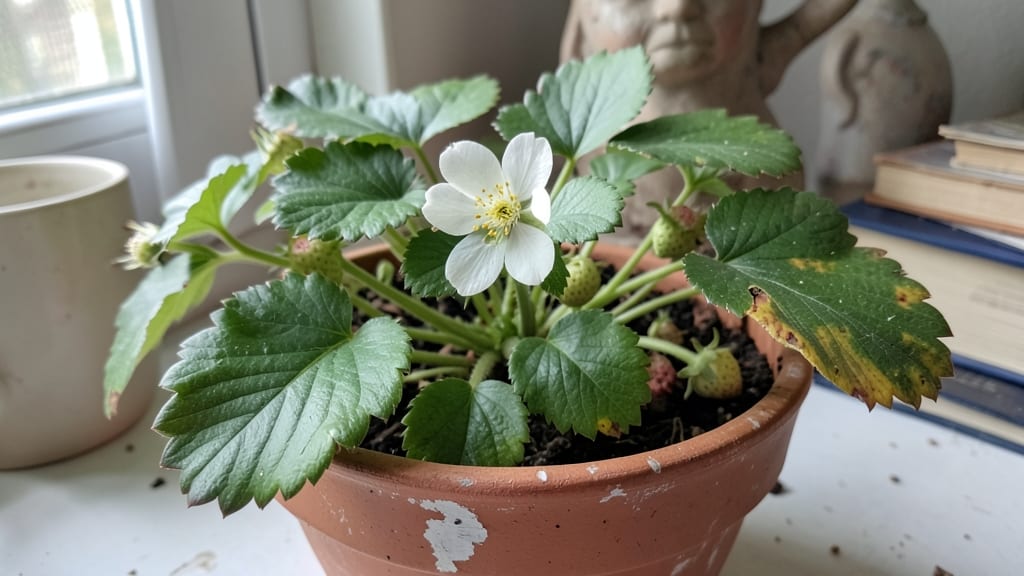
The hidden magic of inside strawberry plants—where pruning transforms struggling pots into year-round fruit machines—is simpler than you’d expect. 🌱 I’ve grown strawberries in containers for years, and the key to their success isn’t just sunlight or soil, but knowing exactly when and how to... cut back those runners and old leaves.
The difference between a productive plant and one that peters out comes down to these simple but often overlooked pruning moves.
You don't need a greenhouse or fancy equipment—just the right variety, like alpine or everbearing types, and a few basic tools. My go-to setup uses a 5-gallon container with well-draining mix and a small grow light for those winter months when natural light fades.
The pruning itself takes less than 10 minutes every few weeks, and the payoff is fruit that keeps coming all year, not just one big summer flush.
What you'll end up with is a compact, productive plant that stays healthy and keeps bearing fruit month after month. The berries stay sweet and plentiful, and you avoid the common problem of plants burning out after their first harvest.
This method works for apartments, sunrooms, or even a sunny windowsill—no matter where you live, you can grow strawberries indoors.
Here's where it gets interesting: the pruning isn't just about cutting back. It's about encouraging new growth in the right places, keeping the plant's energy focused on fruit production, and preventing those tangled messes that make strawberries so frustrating to grow. Let's get those plants producing like clockwork.
📚 In This Guide
- What you need
- Instructions
- Tips and common mistakes
- Wrapping up and next steps
What you need
- ● Strawberry plants: June-bearing, everbearing, or day-neutral varieties (choose based on your climate zone)
- ● Mature plants (at least 1 year old for best results)
- ● Pruning tools: Bypass pruners (sharp, clean, and sterilized with rubbing alcohol)
- ● Hand pruners (for smaller stems, avoid anvil pruners—they crush stems)
- ● Garden shears (for thicker runners or foliage)
- ● Protective gear: Garden gloves (cut-resistant for safety)
- ● Long sleeves/pants (to avoid scratches from thorns or runners)
- ● Cleanup supplies: Garden bag or bucket (for pruned debris)
- ○ Disinfectant spray (1 part bleach to 9 parts water, optional but highly recommended)
- ● Plant markers (to label varieties if growing multiple types)
- ● Mulch (straw, wood chips, or compost to retain moisture and suppress weeds)
- ● Plant food (balanced fertilizer, 10-10-10 or organic options like compost tea)
- ● Hose or watering can (for post-pruning hydration)
- ● Notebook (to track pruning dates and plant responses)
How to prune indoor strawberry plants for continuous harvests
Here’s my foolproof method for keeping your potted strawberries producing fruit all year—no bare patches or wasted energy.
🌱 Step 1: Identify and Remove Old Fruit-Bearing Stems
Start by locating the white flower buds that form on your strawberry plants. These grow on crown runners—the wiry stems that emerge from the plant’s center. Once a flower bud opens and sets fruit, that stem will yellow and die back by mid-season. Use clean pruning shears to snip these spent stems ½ inch above the plant’s base right after harvest.
Here’s the thing—if you leave these old stems, the plant wastes energy trying to revive them instead of sending nutrients to new growth. I promise, cutting them back sharpens up the plant and encourages fresh runners. Work on one plant at a time so you don’t miss any hidden buds.
✂️ Step 2: Thin Crowded Runners for Better Airflow
Strawberries produce crown runners (the long, thin stems with baby plants at the tips) and stolons (the trailing runners that root into soil). For indoor plants, focus on crown runners—these are the ones growing straight up from the center. If you see more than 3-4 runners per plant, it’s time to thin. Use your fingers to gently twist off the excess runners at their base, or snip with shears if they’re stubborn.
Real talk: Overcrowded runners lead to small, weak berries and fungus from poor airflow. After thinning, give your plant a light misting to help it recover. You’ll notice new leaves unfurling within a week—that’s your signal the plant is happy and ready for more growth.
☀️ Step 3: Prune Leaves to Maximize Light and Airflow
Strawberries need bright, indirect light for fruit production. If you see yellowing or crinkled leaves at the base of the plant, those are old leaves stealing energy from new growth. Snip them off cleanly at the base with your shears. For indoor plants, I also remove any leaves touching the floor or pot edges—this prevents mold and keeps the plant’s center open to light.
Don’t go overboard—leave enough leaves to keep the plant photosynthesizing. A good rule: If the plant still looks full and green after pruning, you’ve done it right. After trimming, rotate the pot a quarter turn so all sides get even light exposure.
💧 Step 4: Encourage New Growth with Post-Pruning Care
After pruning, your strawberry plant will focus energy on new runners and flower buds. Water deeply—until ½ inch of soil feels damp—to help roots recover. For the first 5-7 days, keep the plant in bright, indirect light (no direct sun, which can stress freshly pruned plants). You’ll see tiny new leaves emerging from the center within a week.
Here’s where it gets fun—watch for new white flower buds forming in 4-6 weeks. These will produce your next batch of berries. If your plant looks leggy or sparse, it needs more light. Move it within 6 inches of a south-facing window or under a grow light for 14 hours daily.
⏰ Step 5: Repeat the Cycle for Year-Round Fruit
Strawberries thrive on routine. After your first harvest, repeat Step 1 to remove old stems, then Step 2 to thin runners every 6-8 weeks. This keeps your plant productive and compact instead of sprawling. In winter, reduce watering slightly—let the top inch of soil dry out between waterings—but keep the light consistent.
You’ll love how consistent pruning turns your indoor strawberries into a never-ending snack source. Just remember: Prune after harvest, thin before buds form, and always leave enough leaves for energy. With this rhythm, you’ll have berries ready to pick every 3 months—no bare patches in sight.
Tips & tricks for pruning indoor strawberry plants
These simple tricks will help you keep your indoor strawberries thriving and producing fruit all year long.
Timing is Everything: Prune right after harvest when those old stems turn yellow—this is when the plant naturally redirects energy. I've found that waiting too long means the plant wastes energy trying to revive dying stems instead of growing new ones. The key is to work during the plant's natural cycle, not when it's already stressed.
Tool Prep Matters: Always sanitize your pruning shears with rubbing alcohol between plants to prevent spreading disease. I keep a small bottle of 70% isopropyl alcohol in my gardening kit—just wipe down the blades before and after each plant. Clean tools also make cuts heal faster, reducing stress on your strawberries.
Visual Cues for Pruning: Look for the classic "V" shape where runners emerge from the center—this is your pruning zone. For leaves, remove only the yellowing or crinkled ones at the base, leaving the vibrant green ones to keep photosynthesizing. The rule of thumb is: if you can see light through the center of the plant, you've done it right.
Light Management: After pruning, rotate your pot a quarter turn to ensure even light exposure on all sides. I've noticed that plants left in the same position develop lopsided growth, with one side growing leggy while the other stays compact. That 14-hour grow light schedule makes all the difference—consistency is key for keeping your plants balanced and productive.
Pro Tips for Inside Strawberry Plants
- These simple tricks will help you keep your indoor strawberries thriving and producing fruit all year long.
- Timing is Everything: Prune right after harvest when those old stems turn yellow—this is when the plant naturally redirects energy.
- Tool Prep Matters: Always sanitize your pruning shears with rubbing alcohol between plants to prevent spreading disease.
Frequently asked questions
Got questions about strawberry plant care?
Here are some of the most common queries—and their answers—to help you keep your plants thriving and productive.
When is the best time to prune strawberry plants for maximum yield?
Prune June-bearing varieties after harvest (late spring/early summer) to remove spent flowers and encourage new growth. For everbearing and day-neutral types, trim back after each fruiting cycle or in early spring to promote bushier plants. Avoid heavy pruning in fall—focus on cleanup instead.
Should I cut off all the leaves when pruning strawberry plants?
No! Only remove yellowed, damaged, or diseased leaves—never trim healthy foliage. Leaves provide energy for root growth and next year’s fruit. If you’re renovating old plants, cut back half the oldest leaves (the largest ones) in late summer to rejuvenate the crown.
What should I do if my strawberries stop producing after pruning?
Lack of fruit after pruning could mean over-pruning or nutrient stress. Check for:
- Too many leaves removed? Keep at least 6–8 healthy leaves per plant.
- Low light? Move plants to sunnier spots (6+ hours/day).
- Poor soil? Feed with balanced fertilizer (10-10-10) or compost.
Can I grow strawberries without pruning? What are the downsides?
Yes, but expect fewer berries and more pests/disease. Without pruning:
- Plants become overcrowded, reducing air circulation.
- Weeds and mold thrive in dense foliage.
- Energy goes to maintaining old growth instead of new fruit.
How do I protect strawberry plants from winter damage after pruning?
After fall pruning, mulch heavily (4–6 inches of straw or leaves) to insulate roots. In cold climates (<20°F), add a row cover or temporary cloche. Avoid pruning too late—stop by mid-October to let plants harden off before winter. Everbearing types may need extra protection to survive.
Wrapping up and next steps
Understanding the inside secrets of strawberry plants—like strategic pruning, companion planting, and seasonal care—can transform your garden into a year-round fruiting powerhouse! 🌱 By mastering these techniques, you’ll boost yields, extend harvests, and keep your plants thriving.
The key is consistency: stay vigilant with maintenance, adapt to your climate, and don’t hesitate to experiment with companions like borage or thyme for natural pest control.
Ready to take your strawberry game to the next level? Start small—pick one pruning tip or companion plant to test this season, then expand as you gain confidence. Happy gardening, and may your strawberries be plentiful (and delicious)! 🍓✨