
Pruning
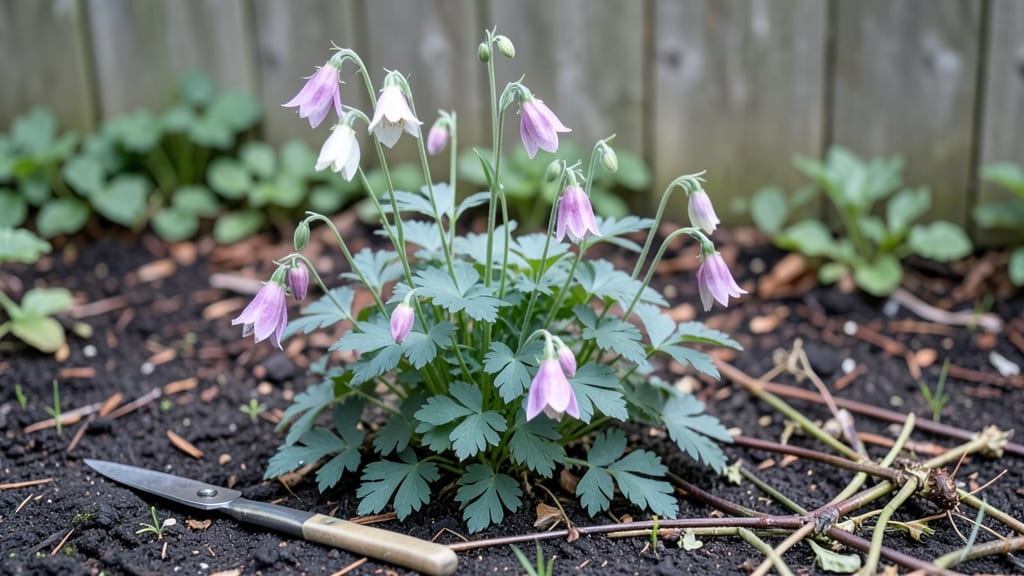
Pruning columbine plants transforms your garden from a one-time spring showstopper to a year-round bloomer—and it’s easier than you think. 🌿 I’ve watched leggy columbines flop into sad, bare stalks after flowering, but a few simple cuts in late summer can bring back that lush, vibrant growth.
The key is timing and knowing exactly where to snip without sacrificing next year’s blooms.
Here’s the secret: wait until after the flowers fade but before seeds form—usually late summer or early fall. Grab clean pruners and cut back 2 inches above a leaf node on spent stems, but leave the healthy foliage intact.
This encourages fresh growth while keeping the plant strong. For truly leggy plants, you can trim back by one-third, but never more—columbines are tough but not invincible.
What you’ll end up with is a neater, bushier plant that keeps flowering into fall and sometimes even pops up early the next spring. The foliage stays vibrant, and you’ll avoid that sad, overgrown look.
Just avoid pruning in early spring—you’ll cut off new buds forming for the season. Think of it as giving your columbines a second chance to shine.
This method works for all Aquilegia varieties, from classic red-and-yellow hybrids to delicate native species. Whether you’re dealing with a single pot or a wildflower meadow, these cuts make a real difference. Ready to turn those floppy stems into a garden star?
📚 In This Guide
- What you need
- Instructions
- Tips and common mistakes
- Wrapping up and next steps
What you need
- ● Pruning shears or bypass pruners – Choose sharp, clean ones with a 4- to 6-inch blade for precision. Bypass (scissor-like) shears are ideal for clean cuts.
- ○ Gloves (optional but recommended) – Wear gardening gloves to protect your hands from thorns or rough stems.
- ● Disinfectant (rubbing alcohol or bleach solution) – Clean your pruners with 70% isopropyl alcohol or a 1:9 bleach-to-water mix before and after use to prevent disease spread.
- ○ Garden twine or plant ties (optional) – Useful for supporting leggy stems after pruning if needed.
- ● Garden waste bag or bucket – A small, sturdy bag or bucket to collect debris and spent blooms.
- ● Hand lens or magnifying glass – Helps spot hidden pests or diseased areas on stems.
- ● Pruning saw (for thick stems) – Only needed if your columbine has woody, overgrown stems (rare but possible in mature plants).
- ● Compost bin access – For repurposing healthy clippings into nutrient-rich compost.
- ● Plant marker or label – If you’re pruning multiple varieties, label them to avoid confusion!
- ● Choose the right time – Prune after blooming (late spring to early summer) or in early fall for best results.
- ● Check the weather – Wait for a dry, overcast day to minimize stress on the plant.
- ● Identify healthy vs. dead growth – Familiarize yourself with columbine’s natural shape to avoid over-pruning.
Step-by-Step instructions for pruning columbine plants
Columbine thrives with strategic pruning—here’s how to extend blooms and keep plants healthy.
✂️ Step 1: Identify and Remove Spent Blooms
Deadheading is your first priority. Once a flower fades to a dull brown or wilts completely, snip the stem just above the next set of leaves or the next healthy bud. I use clean, sharp pruners to avoid tearing the stem—columbines are delicate, and jagged cuts invite disease. Work in the morning when stems are firm and dew has dried, reducing the risk of fungal spores spreading.
Watch for seed pods forming at the base of spent blooms. If you want more flowers, remove these early—the plant directs energy toward seed production instead of new blooms. Columbines self-seed aggressively, so prune seed heads if you prefer controlled growth rather than volunteer plants popping up everywhere.
✂️ Step 2: Thin Overcrowded Stems for Airflow
Columbines develop multiple stems from the base, and over time, these can become dense and leggy. In early spring or after the first flush of blooms, assess the plant’s structure. Remove any stems that are thin, weak, or growing at odd angles—these rarely produce strong flowers and compete with healthier growth. Cut these back to the ground with your pruners, making a clean slice at a 45-degree angle to prevent water from pooling.
Here’s the thing—columbines bloom on old wood, so avoid heavy pruning in late summer or fall. If you see stems that are completely bare or have no buds, they’re past their prime and can be removed entirely. You’ll know you’ve done it right when sunlight reaches the center of the plant, encouraging new growth from the base.
✂️ Step 3: Lightly Prune for Shape and Health
After deadheading and thinning, give the plant a once-over for shape. Columbines naturally grow in a loose, airy habit, but they can become top-heavy with too many blooms. Trim back any stems that are bending under the weight of flowers or leaning too far from the center. Cut just above a leaf node or bud to encourage branching and a fuller appearance.
If the plant looks leggy or sparse, you can also prune the tips of the longest stems by about one-third. This trick forces the plant to put out side shoots, creating a bushier, more compact form. Avoid pruning more than 20-30% of the plant at once—columbines are resilient but not aggressive regrowers like shrubs.
⏰ Step 4: Clean Up and Monitor for New Growth
Once pruning is complete, remove all debris from the plant and the surrounding area. Drop spent blooms and cut stems into your compost bin or trash—never leave them on the soil surface, as they can harbor pests or diseases. Water the base of the plant lightly to help it recover, but avoid soaking the foliage, which can promote fungal issues.
Over the next 2-3 weeks, watch for new growth emerging from the base. Healthy columbines will send up fresh stems with buds forming along them. If you see yellowing leaves or wilting stems after pruning, it’s a sign of stress—reduce watering slightly and provide afternoon shade until the plant stabilizes. With proper care, your columbine should reward you with another round of blooms within 4-6 weeks.
Tips & tricks for perfect columbine pruning
These insider tricks will help you transform your columbine from a one-time bloomer into a year-round flower powerhouse.
Timing is Everything: The key to columbine pruning lies in knowing when to work. In Step 1, always deadhead in the morning when stems are firmest—this reduces fungal risk and makes clean cuts. For Step 2 thinning, wait until after the first flush of blooms (typically late spring) when you can clearly see which stems are weak. Late summer pruning is a no-go—columbines bloom on old wood, so cutting back then removes next year's flowers. Remember, the plant's natural cycle matters more than calendar dates.
Tool Selection Matters: Never use dull or dirty pruners—they tear stems and create entry points for disease. I keep a dedicated pair of pruners just for columbines, sterilized with rubbing alcohol between uses. For Step 1, make clean cuts just above leaf nodes or buds to encourage new growth. In Step 3, use the same tool to trim leggy stems at a 45-degree angle—this prevents water pooling that leads to rot. Pro tip: Wipe your pruners with a damp cloth after each cut to remove plant debris that can harbor pathogens.
The 20-30% Rule: When shaping in Step 3, never remove more than 20-30% of the plant at once. Columbines are delicate perennials that don't regrow aggressively like shrubs. I learned this the hard way after over-pruning and nearly losing a prized plant. Focus on removing only the weakest stems and overcrowded growth while preserving the plant's natural structure. Think of it as giving your columbine a spa day—not a haircut.
Post-Pruning Care: After completing all steps, the real work begins. In Step 4, remove ALL debris immediately—don't leave cut stems on the soil where they can harbor pests. Lightly water the base (not foliage) to help recovery, then monitor closely. Yellowing leaves after pruning mean stress—reduce watering and provide afternoon shade. Within 2-3 weeks, you should see fresh growth. This recovery period is when proper pruning pays off with that second flush of blooms 4-6 weeks later.
Pro Tips for Prune Columbine Plants
- These insider tricks will help you transform your columbine from a one-time bloomer into a year-round flower powerhouse.
- Timing is Everything: The key to columbine pruning lies in knowing when to work.
- Tool Selection Matters: Never use dull or dirty pruners—they tear stems and create entry points for disease.
Frequently asked questions
about pruning columbine plants—because even experts need a little extra guidance! Here are answers to the most common questions to keep your blooms thriving.When is the best time to prune columbine plants?
Prune columbines in early spring (just as new growth emerges) or after blooming (late spring to early summer). Avoid pruning in fall—this can leave plants vulnerable to winter damage. Deadheading spent blooms throughout the season encourages continuous flowering!
How much can I cut back my columbine plants?
For healthy plants, trim back one-third of the plant’s height to encourage bushier growth. If your columbine is leggy or overgrown, you can cut it back by half, but avoid drastic cuts—columbines are resilient but not aggressive regrowers. Focus on removing dead or damaged stems first.
What if I prune too late in the season?
Pruning too late (fall or winter) can stunt new growth or expose plants to frost damage. If you miss the ideal window, wait until early spring to trim. Columbines are hardy, but late pruning may reduce next year’s blooms. Think of it like a garden timeout—better late than never, but timing matters!
Do I need to prune columbine plants every year?
Not necessarily! Prune only when needed—like after blooming, if stems look leggy, or to remove dead foliage. Mature columbines often self-clean, shedding old blooms naturally. Focus on deadheading throughout the season to prolong flowers, but avoid over-pruning—these plants thrive with minimal intervention.
What should I do if my columbine looks sad after pruning?
If your plant looks stressed post-prune, don’t panic! Columbines are tough. Water deeply, mulch around the base, and avoid fertilizing right after cutting. If leaves yellow or stems wilt, check for pests (like aphids) or disease. Often, a little TLC and patience will have your columbine bouncing back in no time!
Wrapping up and next steps
Pruning your columbine plants doesn’t have to be intimidating—it’s all about timing, technique, and a little patience! 🌸 By deadheading spent blooms and trimming leggy stems, you’ll encourage vibrant, long-lasting flowers and keep your plants healthy for seasons to come.
Whether you’re a seasoned gardener or just starting out, these simple steps will help you master the art of columbine care.
Now that you’re ready to prune like a pro, grab your shears and watch your garden transform! For extra inspiration, explore columbine companion plants or seasonal care tips to keep your blooms thriving year-round.