
How To
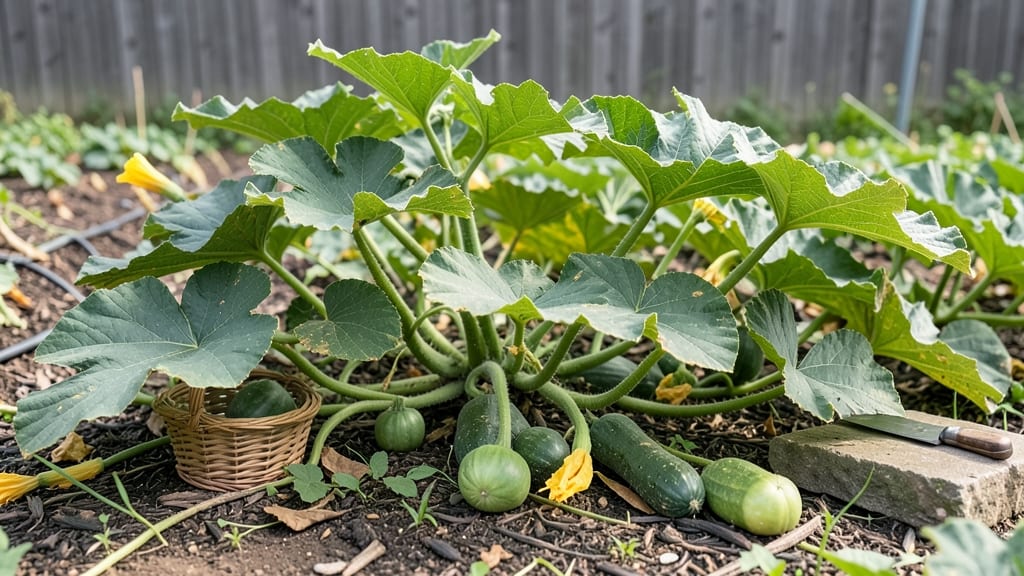
Picking squash from the plant at the perfect moment means the difference between a tender, flavorful harvest and one that’s tough, seedy, or past its prime.
There’s nothing worse than biting into a squash that’s overripe or underripe—too soft, too seedy, or just plain mealy. But here’s the good news: with the right timing and a few simple techniques, you can turn every harvest into a kitchen win.
Whether you’re growing zucchini or butternut, knowing when and how to pick ensures your garden’s hard work pays off in delicious meals.
Most gardeners focus on size or color, but the true signs of readiness go deeper—like skin hardness, stem changes, and even the way the squash feels when you gently squeeze it. And once you’re ready to harvest, the wrong tool or technique can damage both the plant and your crop.
I’ll walk you through the exact steps to pick squash like a pro, from the best tools to use to how to store your harvest so it stays fresh longer.
By the end, you’ll know exactly when to reach for those handy pruners or your trusty knife, how to handle different varieties without bruising them, and even how to encourage your plants to keep producing all season long. Let’s get started.
When to harvest squash: signs of perfect ripeness by variety
Harvesting squash at the right moment transforms a simple garden task into a rewarding experience. Summer squash like zucchini and yellow squash need quick attention—they go from tender to tough in days.
Meanwhile, winter squash like butternut and acorn develop slowly, requiring patience. Knowing the visual cues for each type ensures you pick squash at peak flavor and texture.
The key to perfect squash lies in understanding variety-specific ripeness. Summer squash should be harvested when small and immature, while winter squash needs time to harden its skin. Ignoring these differences can lead to overripe squash that’s tough or underripe squash lacking sweetness.
Let’s break down the harvesting signs for each category to help you master the timing.
🎃 SUMMARY TABLE: HOW TO PICK SQUASH FROM PLANT
| Variety | Size | Color | Skin Texture | Stem Condition | Harvest Time |
|---|---|---|---|---|---|
| Zucchini | 6-8 inches long | Deep green or yellow | Firm, glossy | Dries slightly at stem | 40-50 days |
| Yellow Squash | 4-6 inches long | Bright yellow-orange | Smooth, slightly firm | Snaps easily when bent | 45-55 days |
| Butternut Squash | 8-12 inches long | Deep tan or orange | Hard, thick skin | Dry, woody stem | 80-100 days |
| Acorn Squash | 4-6 inches diameter | Dark green with tan stripes | Thick, hard skin | Stem detaches cleanly | 75-90 days |
| Pumpkins | Varies by type (6-20 inches) | Deep orange or green | Tough, inedible skin | Stem hardens completely | 75-120 days |
For summer squash, focus on size and tenderness. Zucchini and yellow squash should be harvested when they’re 6-8 inches long and still tender enough to slice with a butter knife.
Their skin should be glossy, not dull or waxy, and the stem should begin to dry near the fruit. Waiting too long results in seedy, fibrous squash—a gardener’s worst nightmare.
Winter squash tells a different story. Varieties like butternut and acorn need time to develop their hard, thick skins. Check for a deep, consistent color and a woody stem that snaps when bent.
Press your fingernail into the skin—if it doesn’t pierce easily, it’s ready. These squash are designed to store for months, so don’t rush the harvest.
One common mistake is harvesting based on color alone. While color is a clue, it’s not the only factor. For example, a zucchini might look ripe but still be too soft.
Always combine size, texture, and stem condition for accurate ripeness. Overlooking the stem’s dryness can mean your squash detaches too easily, leaving the plant vulnerable to disease.
Pay attention to the growth rate of your squash. If you notice new flowers forming, it’s time to check for ripe squash. Summer squash can produce multiple fruits per vine, so frequent harvesting encourages more production.
Winter squash, however, typically produces fewer but larger fruits, so space them out to avoid overcrowding.
Another pro tip: Harvest in the morning when temperatures are cooler. This reduces stress on the plant and keeps squash fresher longer. Use a sharp knife or pruners to cut the stem, leaving a small stub to prevent rot.
Avoid twisting or pulling, which can damage the vine and invite pests.
If you miss the perfect window, don’t panic. Underripe squash can still be used in cooked dishes, though it may lack sweetness. Overripe squash, on the other hand, becomes tough and seedy.
In this case, save the seeds for next year’s garden or compost the fruit. With practice, you’ll develop an eye for ideal harvest timing and enjoy squash at its best.
Remember, every squash variety has its own unique ripening timeline. Keep a garden journal to track when your plants produce their best harvests. Over time, you’ll anticipate the perfect moment to pick squash, ensuring a bountiful yield season after season.
Step-by-step squash harvesting techniques to prevent damage
Harvesting squash the right way preserves its quality and keeps your plants productive. A gentle touch and the right tools prevent bruising and stem damage, ensuring your squash stays fresh longer. Whether you're picking zucchini or butternut squash, mastering the technique is key to a successful harvest.
The wrong method can lead to broken stems, rot, or even lost fruit. Always use a sharp, clean pruning shears or a knife to avoid tearing the vine.
Never twist or pull—this can damage the plant and leave entry points for pests. Follow these proven steps to harvest like a pro.
How to Pick Squash from Plant
-
Step 1: Choose the Right Tool
Use clean pruning shears, a sharp knife, or disinfected scissors. Avoid your fingers—twisting can damage the stem. -
Step 2: Locate the Stem
Find the stem attachment point where the squash connects to the vine. This is usually a 1-2 inch section near the fruit. -
Step 3: Cut at a 45-Degree Angle
Position your tool 1-2 inches below the squash and cut at a slight angle. This prevents water from pooling on the stem. -
Step 4: Grip the Squash Firmly
Hold the squash with both hands to avoid dropping it. A sudden drop can cause bruising, especially with delicate winter squash. -
Step 5: Avoid Touching the Skin
Handle squash by its stem end or bottom only. The skin is sensitive—scratches can lead to rot during storage. -
Step 6: Transport Carefully
Place harvested squash in a basket with soft padding or a wooden crate. Never stack them—this causes bruising on the bottom fruit.
After harvesting, let your squash cure in sunlight for 3-5 days if storing long-term. This hardens the skin and extends shelf life. For summer squash, refrigerate immediately to keep it crisp. Always harvest in the morning when temperatures are cooler to prevent wilting.
Never leave squash on the vine past its prime—overripe fruit can attract pests and reduce next year’s yield. If your plant still has blooms, keep harvesting to encourage more production. A well-maintained vine can produce 10-20 pounds of squash per season with proper care!
Store harvested squash in a cool, dry place with good airflow. Use wooden crates or paper bags>—plastic traps moisture and speeds up rot. With the right technique, your squash will stay fresh for weeks or even months, depending on the variety.