
How To
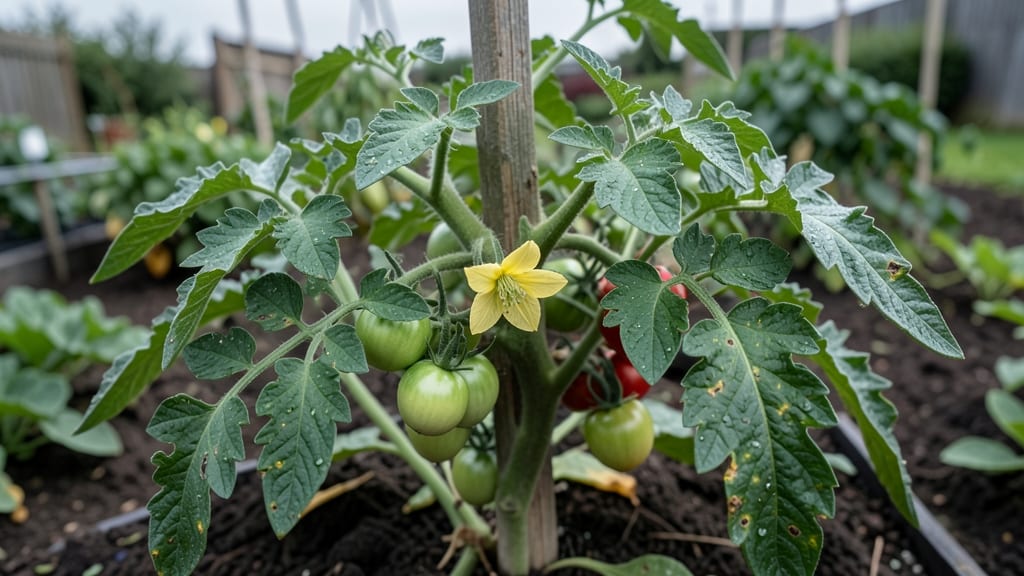
How long do tomatoes take to ripen on the plant—typically 60 to 85 days after transplanting—but the exact time depends on the variety, your climate, and even how much sunlight they get.
Ever stared at a vine heavy with green tomatoes, wondering why they’re not turning red? The answer isn’t just about time—it’s about the right balance of heat, light, and care.
Some varieties, like cherry tomatoes, can ripen in as little as 50 days, while heirlooms might take 90 days or more. That’s why knowing your growing zone and tomato type is the key to planning your harvest.
Here’s what you need to know: how to tell when your tomatoes are ready, which factors speed up or slow down ripening, and the simple tricks to get juicy fruit faster—without sacrificing quality.
From pruning tips to climate hacks, we’ll break down everything so you can enjoy that first sweet bite sooner than you think.


Tomato ripening timeline by variety: fastest to slowest growing types
If you're planning your garden around fresh tomatoes, knowing the ripening timeline for each variety is key. Some tomatoes like 'Early Girl' burst with flavor in just 50-60 days, while heirlooms like 'Brandywine' take 85+ days to reach peak ripeness.
The difference often comes down to whether the plant is determinate (bush-type) or indeterminate (vining), as well as the plant's genetic makeup. Let’s break down the fastest and slowest ripening varieties so you can choose the perfect fit for your growing season.
Determinate tomatoes are the speed demons of the garden. These bush varieties grow to a fixed height and produce fruit all at once, making them ideal for early-season harvests.
Varieties like 'Stupice' or 'Patio Princess' ripen in as few as 45-55 days, perfect for short growing seasons or container gardening. Indeterminate tomatoes, on the other hand, keep growing and producing fruit until frost, but they often take longer to mature.
For example, 'Sungold' cherry tomatoes ripen in 60-70 days, while beefsteak varieties like 'Cherokee Purple' can take 80-90 days or more.
Here’s how different tomato varieties stack up in terms of ripening speed, from fastest to slowest:
Choosing the right variety for your growing zone and season length can make or break your tomato harvest. For example, if you're in USDA Zone 5 with a short summer, determinate varieties like 'Stupice' or 'Patio Princess' are your best bet.
They ripen quickly and produce all their fruit at once, so you won’t miss out on the harvest window. In warmer climates like Zone 9 or 10, you can afford to grow slower-ripening heirlooms like 'Brandywine' or 'Cherokee Purple', which thrive in longer growing seasons.
The growth habit of your tomato plant also plays a huge role in ripening speed. Determinate tomatoes stop growing once they reach maturity, focusing all their energy on fruit production. This means they often ripen faster than indeterminate varieties, which keep growing and producing fruit throughout the season.
However, indeterminate plants can outperform determinate ones in total yield if given enough time and care. For instance, 'Sungold' cherry tomatoes are indeterminate and produce fruit continuously, but they still ripen faster than larger heirlooms like 'Brandywine'.
If you're eager to enjoy tomatoes earlier in the season, consider starting your seeds indoors 6-8 weeks before the last frost date. This gives seedlings a head start, allowing them to transplant earlier and begin producing fruit sooner. For fastest ripening, pair early varieties like 'Early Girl' or 'Stupice' with warm soil temperatures (at least 60°F) and full sun exposure. Avoid over-fertilizing with nitrogen, as this can delay fruiting while promoting leafy growth. Instead, use a balanced fertilizer (like
How climate zones and seasons affect tomato ripening speed
Your tomato plants may follow the same general timeline, but climate zones and seasonal conditions can drastically alter how fast they ripen.
In USDA Zone 10, where temperatures stay warm year-round, tomatoes often ripen in 50-60 days—but in Zone 4, frost risks can stretch that to 90+ days or force early harvests. Understanding these variations helps you plan planting dates and extend harvests for longer enjoyment.
Temperature plays the biggest role: ideal ripening temps are between 70°F and 85°F.
Below 55°F, growth slows dramatically, while above 90°F, blossoms may drop, delaying fruit set. Sunlight hours also matter—regions with 10+ hours of daylight (like Alaska in summer) can push tomatoes to ripen faster, while shorter days in Zone 5 may require row covers to boost warmth.
Here’s how USDA zones and seasonal factors impact ripening speed, along with strategies to optimize your harvest:
<summary-table>| USDA Zone | Avg. Ripening Time | Key Climate Challenge | Solution |
|---|---|---|---|
| 3-4 | 75-90 days | Short growing season, cool nights | Use row covers or greenhouses; plant early-maturing varieties like 'Stupice' (60 days). |
| 5-6 | 60-75 days | Moderate temps, variable frost dates | Start seeds indoors 6-8 weeks early; use black plastic mulch to warm soil. |
| 7-8 | 55-65 days | Long, hot summers | Provide afternoon shade (30-50%) to prevent blossom drop; water deeply at soil level. |
| 9-11 | 50-60 days | Year-round warmth, humidity | Choose heat-tolerant varieties like 'Solar Fire'; prune aggressively to improve air flow and reduce disease risk. |
In cooler climates (Zones 3-6), I’ve had success using low tunnels or cold frames to add 5-10°F of warmth, which can shave 10-15 days off ripening.
For example, in Zone 4, planting 'Patio' cherry tomatoes (55 days) under a tunnel often yields fruit by late July instead of August. Always check your last frost date—planting too early can expose seedlings to chilling injury, stalling growth for weeks.
On the flip side, hot climates (Zones 9-11) require different tactics. Tomatoes in Zone 10 can suffer from heat stress if daytime temps exceed 95°F, causing fruit to split or turn mealy. My trick?
Installing shade cloth (30%) during peak afternoon sun keeps temps in the 80°F range while still providing enough light. I also avoid fertilizing heavily in July and August, as excess nitrogen can make plants more susceptible to sunscald.
Seasonal sunlight changes also affect ripening. In northern latitudes, shorter daylight hours in late summer can slow maturation. To combat this, I’ve planted determinate varieties (like 'Roma') in early June—they set fruit quickly and ripen before daylight shortens.
In southern zones, where days are long year-round, indeterminate varieties (like 'Sungold') thrive, producing fruit continuously if pruned properly.
Pro tip: Track your local microclimate—a south-facing wall or paved area can create a 5°F warmer spot than the rest of your yard. Use this to your advantage by placing tomato cages near heat-retaining surfaces.
Pair this with drip irrigation to maintain even moisture, and you’ll see faster, more consistent ripening across all zones.