
Diseases
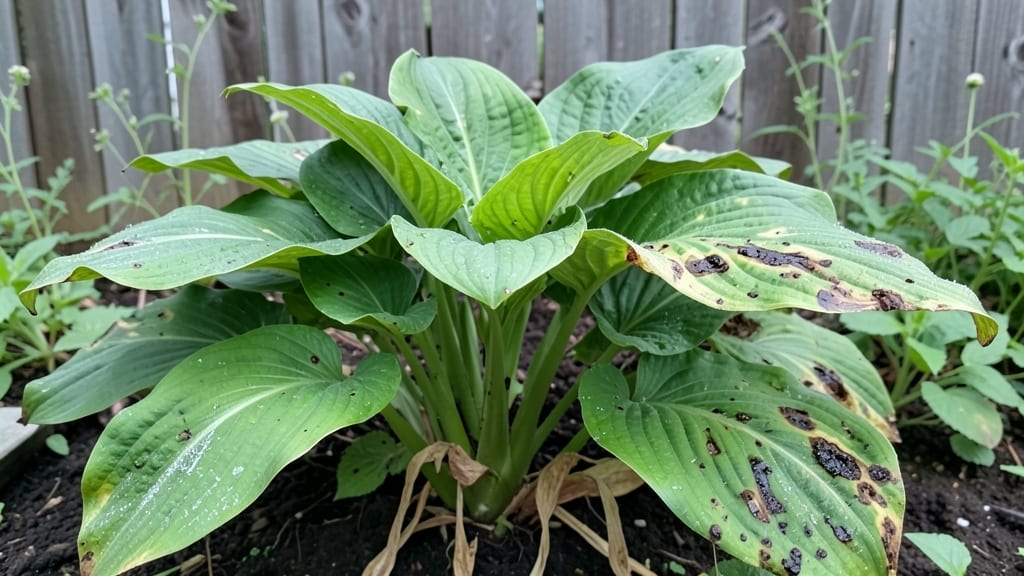
Hosta plant diseases can turn your lush foliage into a sad, spotted mess if you don’t catch them early. 🌿 I’ve watched fungal infections like leaf spot and bacterial rot spread faster than weeds in my own garden—until I learned the telltale signs and quick fixes that actually work.
The key is acting fast before those ugly brown spots or slimy stems take over.
Most hosta diseases start with too much moisture—think soggy soil or crowded leaves that don’t dry fast enough. Fungal spores lurk everywhere, waiting for the perfect damp conditions to strike. The good news?
You don’t need harsh chemicals to stop them. A simple copper fungicide spray or baking soda mix can turn the tide, especially when you pair it with better airflow and proper watering habits.
By the time you spot those first suspicious marks, you’ll already know exactly what to do: trim infected leaves, adjust your watering routine, and maybe even add a layer of mulch to keep the soil dry.
Your hostas will bounce back with vibrant green leaves that make your garden the envy of the neighborhood.
This works for both shady garden beds and container hostas—just swap out the tools and timing to match your setup. Let’s get those plants healthy again before the diseases win.
Root Causes of Hosta Ailments
Hostas, with their lush foliage and adaptability, are beloved by gardeners—but they’re not immune to disease. Understanding why these issues arise is the first step to prevention. Let’s break down the science behind the most common triggers.
Fungal diseases like slime mold (Physarum polycephalum) and leaf spot (Alternaria or Septoria) thrive in moisture. Here’s why:
- Poor Drainage: Hostas prefer well-draining soil. When water pools around roots or sits on leaves, it creates the perfect breeding ground for pathogens.
Heavy clay soils or compacted garden beds worsen the issue. - Frequent Rain or Overwatering: Hostas need consistent moisture, but soggy soil stresses plants, weakening their defenses.
Overhead watering (especially in the evening) keeps foliage damp for hours, inviting fungal spores. - Shade + Humidity Combo: Hostas love shade, but shaded areas retain moisture longer. Without airflow, spores spread effortlessly.
Actionable Fix: Improve drainage with compost or sand, water at the base (not overhead), and space plants for airflow.
Stress makes hostas vulnerable. Common stressors include:
- Nutrient Deficiencies: Lack of potassium or magnesium (visible as yellowing leaves) weakens cell walls, making plants susceptible to infections.
- Physical Damage: Chewed leaves (from slugs or deer) create entry points for bacteria like Erwinia carotovora, causing soft rot.
- Transplant Shock: Newly planted hostas with disrupted roots struggle to fight off pathogens until established (typically 4–6 weeks).
Actionable Fix: Feed with balanced fertilizer (10-10-10), mulch to protect roots, and avoid moving plants during extreme heat or cold.
Soil isn’t sterile—it’s a battleground. Fungal spores (e.g., Fusarium or Phytophthora) can lurk dormant for years, waiting for the right conditions to activate:
- Previous Infected Plants: If past hostas or other perennials (like daylilies) had fungal diseases, spores may persist in the soil.
- Contaminated Tools/Compost: Pruners, gloves, or homemade compost with diseased plant debris can spread pathogens.
- Wildlife Vectors: Slugs and snails carry bacteria and fungi on their bodies, depositing them as they feed.
Actionable Fix: Solarize soil in summer (cover with clear plastic for 4–6 weeks) or use fungicidal soil drenches (like copper-based treatments) before planting.
Hostas with crowded neighbors suffer from stagnant air, trapping humidity and spores. Symptoms often appear as:
- Powdery mildew (white, talcum-like coating on upper leaves).
- Bacterial leaf blight (water-soaked spots that ooze when wet).
Actionable Fix: Prune surrounding plants to allow sunlight and airflow, and avoid mulching too thickly around the base.
Diseases peak at specific times:
- Spring: Cool, wet weather favors Rhizoctonia (crown rot).
- Summer: Heat + humidity trigger anthracnose (dark, sunken leaf spots).
- Fall: Damp leaves harbor Septoria spores over winter.
Actionable Fix: Monitor weather forecasts and adjust care (e.g., reduce watering in humid spells).
Pro Tip 💡: Rotate hosta varieties in your garden—some (like ‘Blue Angel’) are more resistant to fungal diseases than others (like ‘Halcyon’). Check disease-resistant tags when shopping!
Quick Fixes for Hosta Health
When fungal diseases strike your hostas, acting fast is key to saving your plants—and your garden’s beauty. Below, we’ve mapped out practical solutions for each common issue, along with prevention tips to keep your hostas thriving. Think of this as your hosta disease first-aid kit!
Cause: Alternaria, Septoria, or Helminthosporium spores thrive in damp, shady conditions. Fix:
- 🔥 Prune the Problem Remove infected leaves immediately (don’t compost them—dispose in a sealed bag). Focus on yellowing or spotted foliage first.
- 🍳 Fungicide Spray (DIY or Store-Bought)
- Neem oil spray (1 tsp neem oil + 1 tsp mild soap + 1 quart water): Spray undersides of leaves where spores hide. Reapply every 7–10 days.
- Copper fungicide (follow label instructions): Effective for severe cases but use sparingly.
- 🌡️ Boost Airflow & Sun Thin out crowded plants and avoid overhead watering. If possible, shift hostas to partial sun (3–4 hours/day) to dry leaves faster.
💡 Prevention Tip:
- Space plants 18–24 inches apart to reduce humidity.
- Water at the base in the morning so foliage dries by nightfall.
Cause: Chewed edges and slime trails mean these pests are dining on your hostas. Fix:
- 👨🍳 Manual Removal (Best for Small Gardens) Handpick slugs at dusk (when they’re most active) and drop them in soapy water. Check under leaves and mulch daily.
- 🥘 Natural Barriers
- Copper tape around pots or garden beds creates a mild electric shock slugs avoid.
- Crushed eggshells or diatomaceous earth (food-grade only) around plants acts as a gritty deterrent.
- 🔪 Beer Traps (Yes, Really!) Bury a shallow dish filled with beer near hostas. Slugs crawl in and drown—zero chemicals needed.
💡 Prevention Tip:
- Mulch with sharp materials like cedar chips (slugs dislike the texture).
- Avoid thick mulch layers—they create hiding spots.
Cause: Phytophthora or Rhizoctonia fungi rot the base, often from overwatering or poor drainage. Fix:
- ⏰ Dig Up & Inspect Gently remove the plant and check the crown (where leaves meet roots). If it’s soft, mushy, or smells foul, trim away infected tissue with sterilized pruners.
- 🌱 Replant in Fresh Soil
- Repot in well-draining soil (mix in perlite or sand).
- Do not water for 3–5 days to let wounds heal.
- 🔄 Fungicide Treatment Apply hydrogen peroxide (3%) to the crown (1 part peroxide to 10 parts water) or a systemic fungicide like Myclobutanil.
💡 Prevention Tip:
- Plant hostas on mounds to improve drainage.
- Water deeply but infrequently—let the top 1–2 inches of soil dry between waterings.
Cause: Erysiphe fungus coats leaves in white powder, thriving in low light and high humidity. Fix: 1. 🍳 Baking Soda Spray Mix 1 tsp baking soda + 1 tsp horticultural oil + 1 quart water. Spray both sides of leaves weekly until mildew disappears.
- 🌡️ Increase Air Circulation Space plants farther apart or prune nearby foliage blocking airflow.
- 🔄 Resistant Varieties Switch to mildew-resistant hostas like ‘Halcyon’ or ‘Francee’ for future plantings.
💡 Prevention Tip:
- Avoid wetting leaves when watering—use a soaker hose instead.
- Reflective mulch (like white gravel) can reduce humidity around plants.
- Sterilize tools with rubbing alcohol after pruning infected plants.
- Rotate crops—don’t replant hostas in the same spot for 3–4 years to break fungal cycles.
- Strengthen hostas with balanced fertilizer (10-10-10) in early spring to boost resilience.
🎯 Pro Tip: When in doubt, test a small area first with DIY remedies—some hostas (like blue varieties) can be sensitive to strong fungicides. Start gentle, then escalate if needed!
Frequently asked questions about hosta plant diseases
What are the first signs of fungal infections in hostas?
Look for small brown or black spots with yellow halos on leaves—this signals leaf spot. Powdery mildew appears as white, flour-like coatings, while slime mold creates slimy, grayish patches on soil or foliage. Act fast by removing infected leaves and improving airflow.
Can I save a hosta with crown rot?
Yes, but act quickly! Dig up the plant, trim away mushy, foul-smelling tissue, and replant in fresh, well-draining soil. Avoid watering for 3–5 days to help wounds heal. For severe cases, use a hydrogen peroxide (3%) solution on the crown before replanting.
Why do my hostas get diseases even with proper care?
Diseases often spread from contaminated tools, soil, or nearby infected plants. Even with good care, spores can linger in shaded, humid conditions. Sterilize pruners with rubbing alcohol, rotate crops every 3–4 years, and choose disease-resistant varieties like ‘Blue Angel’ for better resilience.
Is neem oil safe for all hosta varieties?
Neem oil is generally safe, but test a small leaf first—some blue hostas (like ‘Halcyon’) may show temporary discoloration. Mix 1 tsp neem oil + 1 tsp mild soap + 1 quart water, and spray undersides of leaves weekly. Avoid applying in direct sunlight to prevent leaf burn.
How can I prevent slugs from spreading bacterial infections?
Slugs carry bacteria like Erwinia, which causes soft rot. Use natural barriers like copper tape or crushed eggshells around plants. Handpick slugs at dusk and avoid thick mulch, which creates hiding spots. For severe infestations, set up beer traps (bury a shallow dish of beer near hostas).