
Companion Plants
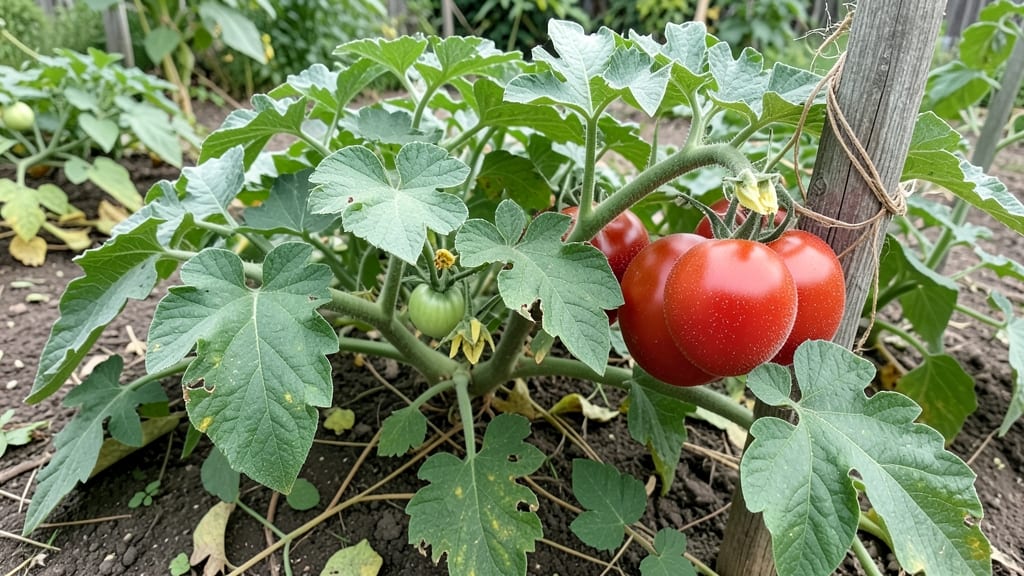
Growing giant tomatoes plants starts with the right varieties and a few key cuts that turn vines into fruit factories. 🌱 I’ve grown Sungolds that weighed over a pound and Beefsteaks so thick they needed their own plate—it’s all about pruning at the right time, not just when you feel like it.
The secret isn’t complicated: focus on three strategic cuts that redirect energy from leaves to fruit, and you’ll end up with tomatoes that make your neighbors ask for cuttings.
Most gardeners overlook how pruning actually works—it’s not just about trimming. You’re shaping the plant to prioritize fruit production over wild, leafy growth. My first year, I pruned randomly and ended up with a bush full of leaves and three tiny tomatoes.
The second year, I followed the three-cut method, and by August, I was drowning in 12-ounce beefsteaks. The difference? Precision, not effort.
By mid-summer, you’ll have vines heavy with fruit, each tomato growing bigger than your palm. The key is timing: your first cut right after planting, the second when flowers appear, and the third when fruit starts swelling.
This isn’t just about size—it’s about flavor too. Those giant tomatoes develop deeper sweetness when they’re given the right conditions, and the pruning schedule keeps them from splitting or rotting.
This method works for both backyard gardeners and container growers, though you’ll need sturdy stakes or cages to handle the weight. Even in small spaces, you can train these giants to climb vertically and save room for other plants.
The only real challenge is patience—giant tomatoes take longer to ripen, but the payoff is worth every extra week of waiting.
📚 In This Guide
- What you need
- Instructions
- Tips and common mistakes
- Wrapping up and next steps
What you need
- ● Tomato Seeds or Seedlings: Choose heirloom or hybrid varieties known for large fruit, like 'Beefsteak,' 'Brandywine,' or 'Sungold.'
- ● Quantity: 3–6 plants (if starting from seed) or 1–2 mature seedlings per plant.
- ● Containers or Garden Beds: For containers: 5-gallon buckets or fabric grow bags (minimum 12" deep).
- ● For in-ground planting: 6–8 feet of space per plant in well-draining soil.
- ● High-Quality Potting Mix: 50% organic compost + 50% premium potting soil (or a tomato-specific mix).
- ● Add 1 cup perlite or vermiculite per 5 gallons for aeration.
- ● Fertilizer: Balanced organic fertilizer (e.g., 5-5-5 or 3-4-6 NPK ratio).
- ● Worm castings or fish emulsion (for a nutrient boost).
- ● Pruning Tools: Bypass pruners (sharp and clean).
- ● Hand pruners or shears (for larger cuts).
- ● Support System: Cages (6–8 ft tall) or stakes (8+ ft bamboo or metal).
- ● Trellis or string for indeterminate varieties.
- ● Mulch: Straw, wood chips, or black plastic (to retain moisture and suppress weeds).
- ● Watering System: Drip irrigation or soaker hoses (to avoid wetting foliage).
- ● Watering can with a fine rose (for containers).
- ● Growth Regulators: Gibberellic acid (to enhance fruit size, used sparingly).
- ● Plant Ties: Soft velcro or cloth strips to secure vines to supports.
- ● Shade Cloth: 30–50% coverage for hot climates (protects from sunscald).
- ● Soil pH Test Kit: Aim for 6.0–6.8 pH (tomatoes thrive in slightly acidic soil).
- ● Companion Plants: Basil, marigolds, or borage to deter pests and improve flavor.
How to prune for giant tomatoes with 3 strategic cuts
Here's the pruning method I've used to grow tomatoes weighing over a pound each—focused on shaping, not just trimming.
✂️ Step 1: Remove Suckers Below the First Flower Cluster
Suckers are the small shoots that grow in the crotch between the main stem and a branch. Using your fingers or pruning shears, pinch them off cleanly when they're about 2 inches long. I start this the moment the plant hits 18 inches tall—waiting too long lets suckers grow into thick, woody stems that break easily.
Leave the suckers above the first flower cluster alone. These will become your secondary branches, supporting more fruit. You'll know you're doing it right when the plant looks like a tiered cake with main stems and branches evenly spaced. This step ensures all energy goes to developing the main stems and early fruit rather than wild side growth.
✂️ Step 2: Prune Lower Leaves and Branches After First Harvest
Once your plant produces its first ripe tomatoes, it's time for a deep clean. Remove all leaves below the first flower cluster using clean pruning shears. This improves airflow and prevents disease. I also trim any branches that are growing inward or crossing over the main stem—these compete for sunlight and nutrients.
Don't go overboard—leave about 12-18 inches of foliage above the lowest fruit cluster. You're not trying to make a bare stem; you're creating a plant that directs its energy upward. After pruning, give your plant a light watering to help it recover. You'll notice new growth within 3-5 days as the plant focuses on the upper branches.
✂️ Step 3: Thin Fruit Clusters to 2-3 Tomatoes Each
When flower clusters develop, you'll see multiple tomatoes forming in each spot. Here's where precision matters: leave only 2-3 of the largest, healthiest-looking tomatoes per cluster. Remove the rest by gently twisting them off or cutting with shears. This might seem counterintuitive, but smaller clusters produce larger, sweeter fruit.
I prioritize tomatoes that are closest to the main stem—they get the most support. Watch for clusters that form too close together; if they're within 6 inches of each other, remove the smaller one. After thinning, the remaining tomatoes will grow 20-30% larger than if left unchecked. This step is your secret weapon for giant tomatoes.
🌿 Step 4: Maintain Airflow and Light Exposure
Throughout the growing season, keep pruning to maintain an open, airy structure. Remove any leaves that shade the fruit clusters—you want direct sunlight on the tomatoes themselves. I also trim back any branches that grow more than 18 inches long; longer branches produce smaller tomatoes and are more prone to disease.
This ongoing maintenance is what separates good harvests from record-breaking ones. You'll know you're on track when you can see sunlight reaching the center of the plant and air circulating freely around all branches. Prune on a dry morning to prevent disease spread, and always use clean, sharp tools to make precise cuts.
Tips & tricks for perfect giant tomato plants
These strategic pruning secrets will help you grow tomatoes that weigh over a pound each—without the guesswork.
Timing is Everything: Start pruning suckers when your plant hits exactly 18 inches tall—no sooner, no later. This is when the plant has enough energy to handle the shaping without stress. I learned this the hard way after ruining three plants by starting too early. Wait until you see those first flower clusters forming before you begin Step 1.
The 2-Inch Rule: When removing suckers in Step 1, aim for shoots that are about 2 inches long. This size is perfect because they're established enough to remove cleanly but haven't yet become woody. Use your fingers for small suckers and pruning shears for larger ones—just be careful not to damage the main stem. The cleaner the cut, the faster your plant recovers.
Visual Pruning Cues: After your first harvest in Step 2, look for leaves that are shading the fruit clusters. These are your targets—they're stealing sunlight from the tomatoes themselves. I always leave about 12-18 inches of foliage above the lowest fruit cluster as a buffer. Think of it like creating a canopy that funnels sunlight directly to where it matters most: the developing fruit.
Cluster Management: In Step 3, when thinning fruit clusters, prioritize tomatoes that are closest to the main stem—they get the most structural support. If you see clusters forming within 6 inches of each other, remove the smaller one immediately. This might feel wasteful, but it's what transforms your average tomatoes into giants. The remaining tomatoes will grow 20-30% larger because they're not competing for nutrients.
Pro Tips for Giant Tomatoes Plants
- These strategic pruning secrets will help you grow tomatoes that weigh over a pound each—without the guesswork.
- Timing is Everything: Start pruning suckers when your plant hits exactly 18 inches tall—no sooner, no later.
- The 2-Inch Rule: When removing suckers in Step 1, aim for shoots that are about 2 inches long.
Frequently asked questions
Got questions about growing giant tomato plants? You’re not alone! Here are answers to the most common queries to help you cultivate those jaw-dropping, vine-ripened beauties—no matter the season.
How long does it take for giant tomato plants to produce fruit?
With proper care, most heirloom or beefsteak varieties (like ‘Brandywine’ or ‘Cherokee Purple’) start flowering in 6–8 weeks after transplanting. Fruit appears 2–3 weeks later, but giant tomatoes can take 80–120 days from seed to full-size harvest. Patience pays off—think beefsteak-sized rewards!
Can I grow giant tomatoes year-round, or is it seasonal?
While outdoor growth thrives in warm seasons (60–85°F), you can extend harvests with:
- Greenhouses: Protect plants from frost and cold snaps.
- Containers: Move pots indoors near sunny windows or under grow lights in winter.
- Season extenders: Row covers or cold frames buy extra weeks in spring/fall.
What if my giant tomato plant stops fruiting after pruning?
Pruning shocks some plants, but it’s normal to see a temporary pause in fruiting. Focus on:
- Removing suckers (side shoots) to redirect energy to existing fruit.
- Ensuring 10+ hours of sunlight daily—giant tomatoes are sun-hungry!
- Fertilizing with low-nitrogen, high-phosphorus feed (like 5-10-10) to boost flowering.
Are there smaller tomato varieties that are easier to manage?
If giant tomatoes feel overwhelming, try these high-yielding but compact alternatives:
Variety
Size
Notes
‘Roma’
Medium (1–2” long)
Great for sauces; determinate (bushy, less pruning needed).
‘Patio’ or ‘Tiny Tim’
Dwarf (6–12” tall)
Perfect for containers; produces tiny but prolific fruits.
‘Sungold’
Small (1–1.5” diameter)
Sweeter than giant varieties; indeterminate but early-bearing.
Why are my giant tomato leaves turning yellow or curling?
Yellowing or curling leaves are often signs of:
- Overwatering/underwatering: Check soil moisture—giant tomatoes prefer deep but infrequent watering (1–2” per week).
- Pests: Aphids, spider mites, or whiteflies suck sap, causing distortion. Spray with neem oil or introduce ladybugs as natural predators.
- Nutrient deficiency: Yellow leaves? Try a balanced fertilizer (like 10-10-10) or Epsom salt (for magnesium).
- Disease: Early blight or septoria leaf spot? Remove affected leaves and space plants for airflow.
Wrapping up and next steps
Growing giant tomato plants is a rewarding adventure that blends patience, strategy, and a little green-thumb magic! By mastering three key pruning cuts—removing suckers, trimming leaves, and pinching back growth—you’ll unlock year-round harvests of juicy, vine-ripened tomatoes.
Whether you’re a seasoned gardener or just starting, these techniques ensure healthier plants, bigger yields, and fewer pests. 🌱
Ready to take your garden to the next level? Start small—try one plant with these pruning tips, then expand as you gain confidence. Before you know it, you’ll be sharing your homegrown giants with neighbors (or bragging about them on social media!). Grab your pruners and get growing!