Container Gardens
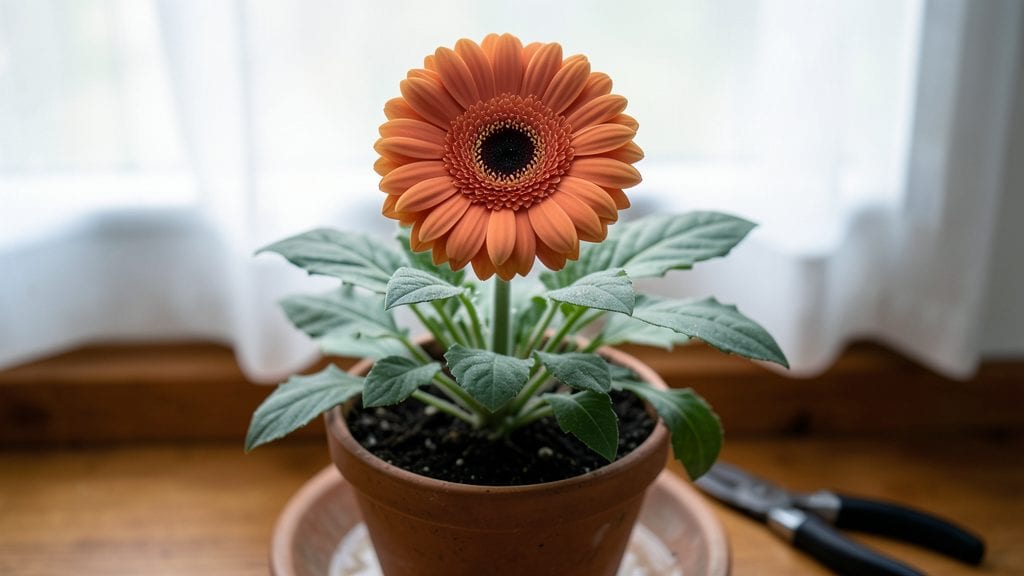
This gerbera indoor plant brings sunshine to your space without needing a sunny window—✨ I’ve kept mine blooming for months by tweaking light, water, and humidity, even in my dim apartment. The key isn’t perfect conditions but understanding what gerberas really need to thrive indoors.
You’ll need a 6-inch pot with drainage, well-draining potting mix, and a bright spot (like a south-facing window or grow light). Water when the top inch feels dry, and mist leaves weekly to mimic their tropical roots. Most people overwater or underlight—both kill these cheery plants fast.
Within 4-6 weeks, you’ll see buds opening like tiny fireworks. The blooms stay vibrant for weeks if you deadhead spent flowers and avoid drafts. Even my black thumb keeps these alive—once you nail the basics, they’re shockingly resilient.
Works for offices, kitchens, or sun-starved rooms. The secret? Treat them like finicky divas but with simple tweaks. Let’s get those pots blooming!
📚 In This Guide
- What you need
- Instructions
- Tips and common mistakes
- Wrapping up and next steps
What you need
- ● Gerbera daisy plant: 1 healthy, blooming indoor variety (check for firm stems and bright petals).
- ● Pot: 1 container with drainage holes (6–8 inches in diameter for mature plants).
- ● Well-draining potting mix: 2–3 gallons of a lightweight, airy blend (e.g., 50% peat moss, 30% perlite, 20% coco coir).
- ● Drainage tray: 1 shallow tray to catch excess water.
- ● Watering can or spray bottle: 1 with a gentle nozzle for hydration.
- ● Fertilizer: 1 balanced liquid fertilizer (10-10-10 or 20-20-20, diluted to half-strength).
- ● Pruning shears: 1 pair for deadheading spent blooms.
- ● Grow lights: 1–2 LED full-spectrum bulbs (for low-light setups).
- ● Humidity tray: 1 pebble tray + water to boost moisture levels.
- ● Plant food: Slow-release granules (apply 1–2 times per season).
- ● Decorative pot: 1 outer cache pot (ensure it has drainage!).
Step-by-Step instructions for growing gerbera daisies indoors
Here's how to coax vibrant blooms from gerbera daisies—even in dimmer indoor spaces.
🪴 Step 1: Choose the Right Container and Drainage
Gerberas thrive in pots with drainage holes to prevent root rot. I use a 6-8 inch diameter ceramic pot for each plant—just the right size to hold moisture without waterlogging. If your pot lacks drainage, drill 2-3 additional holes along the bottom edge to ensure excess water escapes freely.
Line the bottom with 1 inch of small pebbles or perlite to create an air gap between roots and water. This layer prevents soil compaction and allows roots to breathe, which gerberas appreciate. Choose a pot with a saucer to catch drainage—empty it after watering to avoid soggy roots.
🌱 Step 2: Use Well-Draining Soil and Plant Correctly
Fill the pot with a mix of 50% peat-based potting soil and 50% perlite or orchid bark for aeration. Gerberas hate soggy roots, so this blend prevents water from pooling around their delicate root systems. Gently remove the plant from its nursery pot and loosen any circling roots with your fingers.
Place the gerbera in the center of the new pot, ensuring the top of the root ball sits ½ inch below the rim. This prevents water from spilling over during irrigation. Fill the remaining space with soil, pressing lightly to eliminate air pockets but avoiding compaction. Water thoroughly until moisture drains from the bottom holes.
☀️ Step 3: Position for Optimal Light Exposure
Gerberas need bright, indirect light for at least 6 hours daily. A south- or east-facing window is ideal, but avoid harsh afternoon sun, which can scorch delicate petals. If your space lacks natural light, supplement with a full-spectrum LED grow light placed 12-18 inches above the plant for 12-14 hours daily.
Rotate the pot quarter-turn weekly to ensure even growth. You’ll notice leaves leaning toward the light? That’s your cue to adjust the pot’s position or move the grow light closer. Gerberas grown in low light produce fewer blooms and leggy stems—so keep them bright!
💧 Step 4: Water and Feed for Continuous Blooms
Water gerberas when the top inch of soil feels dry to the touch, typically every 5-7 days in winter and every 3-4 days in summer. Stick your finger into the soil—if it’s damp past your first knuckle, wait another day. Overwatering causes yellow leaves and root rot, while underwatering leads to droopy petals.
Feed with a balanced liquid fertilizer (10-10-10) every 4-6 weeks during spring and summer. Dilute to half-strength to avoid burning roots. I skip fertilizer in fall and winter when growth slows. Deadhead spent blooms by snipping stems ½ inch above the base to encourage new flowers.
✂️ Step 5: Prune and Maintain for Longevity
Trim leggy stems back to 2-3 inches above a leaf node to promote bushier growth. Use clean, sharp scissors to make cuts at a 45-degree angle to prevent water from pooling on wounds. Prune in early spring to refresh the plant after winter dormancy.
Wipe leaves with a damp cloth monthly to remove dust, which blocks light absorption. Gerberas are sensitive to cold drafts, so keep them away from windows that open to chilly air. With proper care, your indoor gerbera will reward you with continuous blooms for 1-2 years—a stunning low-light performer!
Tips & tricks for perfect gerbera daisies indoor plant
Between us, I've watched gerbera daisies struggle in less-than-ideal indoor conditions—here's what actually works to keep them thriving.
Drainage is Non-Negotiable: In Step 1, when you're setting up your 6-8 inch pot, don't just rely on existing drainage holes. Test your pot's water retention by filling it with water—if it drains completely in under 10 minutes, you're good. If not, add those extra 2-3 holes along the bottom edge. I've seen gerberas develop root rot within weeks from poor drainage, and it's heartbreaking to watch. The 1-inch layer of pebbles or perlite at the bottom isn't just decoration—it creates that crucial air gap that prevents soggy roots.
Soil Science Matters: The 50/50 mix of peat-based soil and perlite/orchid bark in Step 2 isn't arbitrary—it's about creating the perfect balance. Peat holds moisture while perlite prevents compaction. Here's the thing: gerberas hate soggy roots, but they also need consistent moisture. If your mix feels too dense after planting, add another 20% perlite to improve aeration. I test soil moisture by squeezing a handful—it should hold together but not be wet.
Light Strategy for Low-Light Spaces: Step 3 mentions bright indirect light, but what if your space gets only 3-4 hours of natural light? That's where the 12-14 hour grow light schedule becomes your best friend. Position your LED grow light 12-18 inches above the plant and set a timer—this mimics natural daylight cycles. I've kept gerberas blooming beautifully under grow lights in offices with no windows. Pro tip: Move the light closer if you notice stems elongating (they're reaching for more light).
Watering Wisdom: The "top inch dry" rule in Step 4 is solid, but here's what nobody tells you—gerberas actually prefer slightly drier conditions than most houseplants. In summer, I water every 4 days, but I check the soil at the 2-inch level, not just the top inch. If both layers feel dry, that's your watering cue. Overwatering causes those dreaded yellow leaves, and once they appear, it's often too late to save that stem. Always empty the saucer after watering to prevent root suffocation.
Pro Tips for Gerbera Indoor Plant
- Between us, I've watched gerbera daisies struggle in less-than-ideal indoor conditions—here's what actually works to ...
- Drainage is Non-Negotiable: In Step 1, when you're setting up your 6-8 inch pot, don't just rely on existing drainage...
- Soil Science Matters: The 50/50 mix of peat-based soil and perlite/orchid bark in Step 2 isn't arbitrary—it's about c...
Frequently asked questions
Got questions about keeping your gerbera indoor plant thriving? Here are some common concerns—and their easy fixes!
Can gerbera daisies survive in low-light conditions?
Short answer: Yes, but with limits! Gerberas tolerate bright, indirect light best (think east-facing windows). In low light, they’ll grow leggy or stop blooming. If your space is dim, supplement with a grow light 12–14 hours/day to mimic sunlight. Rotate the pot weekly for even growth!
How often should I water my indoor gerbera?
Pro tip: Water when the top inch of soil feels dry—about once a week (adjust for humidity/climate). Overwatering is the #1 killer! Use a pot with drainage holes and empty the saucer after 10 minutes to prevent root rot. Morning watering helps excess moisture evaporate.
Why aren’t my gerbera daisies blooming indoors?
Troubleshooting: Blooms fade with lack of light, overcrowded roots, or low nutrients. Try these fixes:
- Move to a sunnier spot (south/west window).
- Fertilize monthly with a balanced liquid fertilizer (10-10-10) during spring/summer.
- Repot if roots circle the pot—gerberas love space to stretch!
What pests should I watch for on gerbera plants?
Early detection = easy fixes! Common culprits:
- Aphids (sticky leaves): Spray with soapy water or neem oil.
- Spider mites (tiny webs): Increase humidity and wipe leaves with rubbing alcohol (1:1 water).
- Whiteflies (flying pests): Trap with yellow sticky cards.
What’s the best alternative if gerberas are too high-maintenance?
Low-drama picks: Try these easy-care indoor bloomers:
Plant
Light Needs
Bloom Time
African Violet
Bright indirect light
Year-round (with care!)
Peperomia
Low to medium light
Occasional blooms
Kalanchoe
Bright light (tolerates some sun)
Spring/summer
Wrapping up and next steps
Bringing a gerbera indoor plant into your home isn’t just about adding a pop of color—it’s about embracing a low-maintenance, cheerful companion that thrives even in cozy corners. With the right care, you’ll enjoy vibrant blooms year-round, proving that bright spaces start with the right plant choices. 🌸
Ready to transform your space? Start small—pick your favorite gerbera variety, gather your supplies, and give it a try! Your indoor garden adventure begins with just one bloom.