
Landscaping
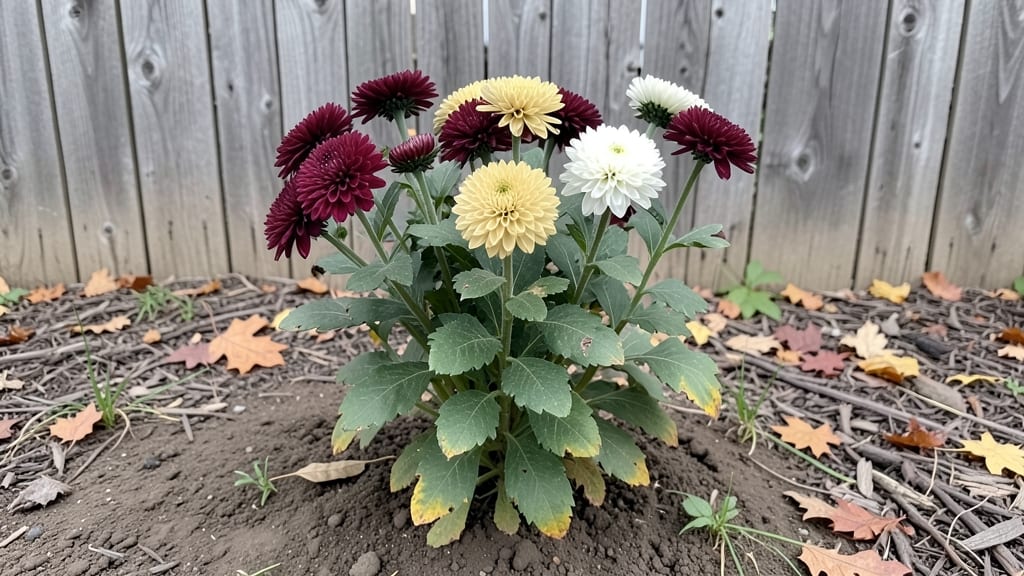
Fall landscaping plants transform your yard into a fiery masterpiece that lasts until frost. 🌿 I learned this after my first attempt with flimsy annuals that wilted by Thanksgiving—now my garden stays vibrant through December with perennials that handle cold snaps like champions.
The secret lies in pairing deep purples, fiery reds, and golden yellows that complement each other naturally, without needing constant deadheading or replacements.
Start with ornamental grasses like Little Bluestem or Switchgrass for movement and texture, then add shrubs such as Oakleaf Hydrangea or Smokebush for structure. Native perennials like Black-Eyed Susan and Coneflower bring pollinators into late autumn while requiring almost no winter prep.
These plants thrive in zones 4-8 with minimal fuss—just a light mulch after the first frost to protect their roots.
What you’ll end up with is a garden that feels like a warm hug on crisp mornings—velvety foliage, crunchy seed heads, and branches heavy with berries. The colors shift beautifully as light changes, creating a different mood every week.
Plus, you’ll spend half the time on maintenance compared to spring bloomers that demand constant attention.
Works for sunlit borders, shady corners, or even container gardens on patios. The key is layering plants by height and texture so the eye moves naturally through the season. Let’s make your autumn garden the envy of the neighborhood—without the work.
📚 In This Guide
- What you need
- Instructions
- Tips and common mistakes
- Wrapping up and next steps
What you need
- ● Fall-perfect plants (5–10+ varieties): 1–2 Japanese maples (e.g., 'Bloodgood' or 'Emperor I') – for fiery reds and oranges
- ● 3–5 Oakleaf hydrangeas – deep purples and burgundies
- ● 1–2 Smoke bushes (Cotinus) – smoky pinks and purples
- ● 5–10 Shrubs like Ninebark or Viburnum (for texture and color)
- ● 1–2 Ornamental grasses (e.g., Miscanthus or Pennisetum) – for movement and height
- ● 10–20 Perennials like Heuchera (coral bells) or Sedum (stonecrop)
- ● 5–10 Bulbs (e.g., Daffodils or Tulips) for early spring color
- ● Mulch: 2–3 bags (4–6 cubic feet each) of shredded cedar or pine bark (retains moisture and regulates soil temp)
- ● Compost: 1–2 bags (40–60 lbs) to enrich soil before planting
- ● Slow-release fertilizer: 1–2 bags (e.g., 10-10-10 or organic options like fish emulsion)
- ● Hand tools: 1 trowel (6–8" blade for small plants)
- ● 1 hand pruners (bypass pruners for clean cuts)
- ● 1 garden fork (for aerating soil)
- ● 1 gloves (waterproof, reinforced for thorns)
- ○ Larger tools (optional but helpful): 1 shovel (for digging larger holes)
- ● 1 wheelbarrow (for hauling mulch/soil)
- ● 1 hose with nozzle (or watering can for delicate plants)
- ● 1 measuring tape (for spacing plants correctly)
- ● Location scouting: Assess sunlight (full sun, partial shade, or full shade) and soil drainage in your yard.
- ● Soil test: Check pH (ideal: 6.0–7.0) and amend as needed (e.g., lime to raise pH or sulfur to lower it).
- ● Weather check: Plan for mild frost dates in your zone to time planting (typically 4–6 weeks before first frost).
- ● Budget: Set aside $50–$200+ depending on plant selection and quantity.
Step-by-step guide to selecting and planting fall landscaping plants
Here's how to transform your yard into a seasonal showstopper with hardy foliage that defies frost.
🌿 Step 1: Choose Plants with Seasonal Resilience
Select varieties known for autumn color and cold tolerance. I always prioritize maple trees (like 'Bloodgood' or 'October Glory'), ornamental grasses (such as 'Karl Foerster' feather reed grass), and shrubs like smoke bush or witch hazel—these deliver dramatic hues and survive winter well. Check your hardiness zone to ensure plants thrive through your first frost.
Look for plants labeled "fall interest" or "autumn foliage" at nurseries. I avoid tender annuals that crisp under frost—they won’t last past October. Instead, focus on perennials and deciduous shrubs that store energy in their roots for spring regrowth.
🪴 Step 2: Prepare Planting Sites for Seasonal Success
Test soil pH and amend with 2-3 inches of compost if your soil drains poorly or is nutrient-poor. Fall-planted perennials establish roots before winter, so well-aerated, slightly acidic soil (pH 6.0-7.0) gives them the best start. I always dig in a handful of bone meal for phosphorus to encourage root development.
Choose locations based on mature plant size and sunlight needs. A 6-foot-tall witch hazel planted near a patio will cast shade in summer but still get sunlight for fall color. Space shrubs 3-5 feet apart to allow airflow and reduce disease risk—crowded plants struggle in winter.
☀️ Step 3: Plant with Timing and Technique for Frost Resistance
Plant 4-6 weeks before your first hard frost to give roots time to establish before cold sets in. Dig holes twice as wide as the root ball but no deeper—this prevents soil compaction around roots. Gently loosen roots if they’re circling the container, then place the plant so the top of the root ball sits 1 inch above soil level (settling occurs over time).
Backfill with native soil mixed with 1 part compost, then water deeply to eliminate air pockets. Mulch with 2-3 inches of shredded bark (not leaves) to insulate roots and retain moisture. Avoid fresh wood chips—they steal nitrogen as they break down.
💧 Step 4: Water and Maintain Through the Season
Water newly planted specimens once weekly until the ground freezes, aiming for 1 inch of moisture per week. I check soil moisture by pushing a finger 2 inches deep—if it’s dry, water again. Overwatering now leads to root rot before winter dormancy sets in.
Deadhead spent blooms on perennials to redirect energy to root growth, but leave seed heads on grasses and ornamental plants—they add winter interest. Fertilize lightly with a balanced 10-10-10 formula in early fall (not late) to avoid stimulating tender new growth before frost.
✂️ Step 5: Prune Strategically for Spring Regrowth
Wait until late winter or early spring to prune deciduous shrubs—cutting back now removes next year’s flower buds. For grasses, trim back 3-4 inches in early spring to encourage fresh growth. I always sterilize pruners with rubbing alcohol between cuts to prevent spreading disease.
Remove any damaged or diseased branches immediately, but leave healthy stems intact. This ensures the plant has energy reserves to rebound quickly. A light layer of mulch in early spring protects roots from temperature swings while new shoots emerge.
Tips & tricks for perfect fall landscaping planting
Transforming your yard into a frost-resistant autumn masterpiece requires more than just planting—it's about strategic choices that ensure your foliage thrives. Here's what I've learned after years of trial and error in my own garden.
Seasonal Plant Selection: When selecting your maple trees, smoke bush, or witch hazel, look for plants with vibrant fall color labels—they've been bred specifically for this purpose. I always check the plant tags for "fall interest" or "autumn foliage" designations, as these varieties often have deeper hues and better cold tolerance. For example, the 'Bloodgood' maple maintains its fiery red leaves well into winter, while 'Karl Foerster' feather reed grass provides vertical interest that lasts through snowfall.
Soil Preparation Strategy: The 2-3 inches of compost and bone meal I mentioned aren't just random measurements—they create the perfect environment for root establishment. I recommend testing your soil pH before amending, as some native soils may need lime to reach that ideal 6.0-7.0 range. For heavy clay soils, mix in 1 part perlite to improve drainage, which is crucial for preventing winter root rot in your perennials.
Planting Timing Technique: The 4-6 week window before first frost is non-negotiable for successful establishment. I always calculate this by checking my local frost date online and working backward. For container-grown plants, I remove them from pots just before planting to inspect roots—if they're circling, I gently tease them apart to encourage outward growth. This simple step prevents the "pot-bound" syndrome that stunts many fall plantings.
Winter Protection Hacks: That 2-3 inches of shredded bark mulch isn't just for looks—it creates an insulating blanket that maintains consistent soil temperatures. I've found that adding a thin layer of evergreen boughs over tender new growth provides extra protection during early frosts. For newly planted witch hazel, I wrap the stems in burlap for the first winter to prevent sunscald when spring arrives.
Pro Tips for Fall Landscaping Plants
- Transforming your yard into a frost-resistant autumn masterpiece requires more than just planting—it's about strategic choices that ensure your foliage thrives.
- Seasonal Plant Selection: When selecting your maple trees, smoke bush, or witch hazel, look for plants with vibrant fall color labels—they've been bred specifically for this purpose.
- Soil Preparation Strategy: The 2-3 inches of compost and bone meal I mentioned aren't just random measurements—they create the perfect environment for root establishment.
Frequently asked questions
Got questions about fall landscaping plants?
You’re not alone! Here are answers to the most common queries to help you create a stunning autumn garden with confidence.
When is the best time to plant fall foliage?
Plant most fall landscaping plants—like ornamental grasses, mums, and shrubs—between mid-September and early November, depending on your climate. Cooler temps and shorter days help roots establish before winter. Pro tip: Avoid planting too late if frost is forecasted within 2–3 weeks.
Can I plant fall foliage in cold climates?
Many plants thrive in cold weather. Opt for hardy varieties like Hydrangeas, Japanese Maple, or Russian Sage, which tolerate frost. Mulch heavily (3–4 inches) to insulate roots. Bonus: Evergreens like Pine or Juniper add year-round structure.
What if my soil isn’t ideal for fall plants?
Amend your soil with compost or organic matter (like peat moss or aged manure) to improve drainage and nutrients. For heavy clay, mix in sand; for sandy soil, add compost. Test your soil first—many local extension offices offer free kits! Raised beds also work well for finicky plants.
How do I keep deer from eating my fall plants?
Deer love tender new growth! Use repellents (like garlic-based sprays), physical barriers (fencing or netting), or plant deer-resistant options like Boxwood, Lavender, or Russian Olive. Pro move: Sprinkle hot pepper flakes around plants for a natural deterrent.
Can I replant spring bulbs in fall?
Yes! Fall is the perfect time to plant spring bulbs (like tulips or daffodils) for early blooms. Choose cold-hardy varieties and plant them 6–8 weeks before frost. Space them 3–6 inches apart for a lush display. Note: Avoid planting too early—they need a chill period to bloom.
Wrapping up and next steps
Transforming your outdoor space with fall landscaping plants is easier—and more rewarding—than you think! 🌿 From fiery maples to velvety grasses, these bold foliage picks not only survive frost but thrive in it, turning your yard into a seasonal masterpiece.
Whether you’re a seasoned gardener or just starting, now’s the perfect time to plant for a show-stopping autumn display.
Ready to take the next step? Sketch a simple layout of your garden beds, then grab your gloves and dive in—your future fall foliage dreams are just a shovel’s toss away! 🌟