
Blooming
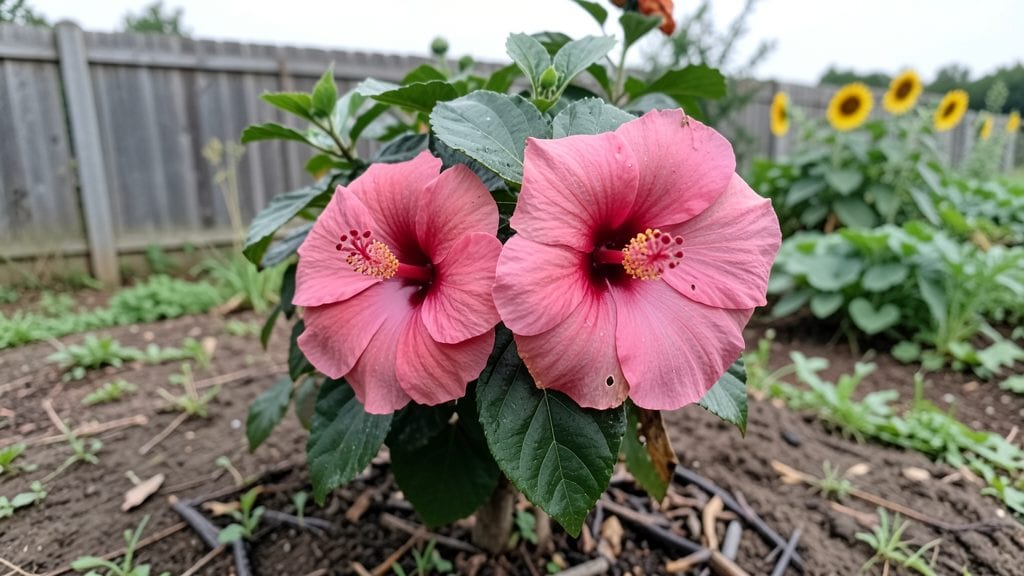
Double bloom hibiscus plants turn my summer garden into a living canvas of bold colors—each stem bursting with two flowers instead of one. 🌸 The secret lies in their drought-tolerant roots and heat-loving nature, which means they thrive where other plants struggle.
Unlike single-bloom varieties, these keep producing showstopper flowers from spring through fall with the right care.
Start with well-draining soil mixed with compost and plant in full sun—at least 6 hours daily—to maximize those double blooms. In zones 9-11, they’ll even reward you with winter color if protected from frost.
The key? Pruning after each flush of flowers to encourage new growth, and watering deeply but infrequently to build drought resistance.
You’ll end up with lush, glossy foliage topped with 3-inch blooms that last longer than single varieties. The plants stay compact enough for containers or small gardens, and their vibrant colors attract hummingbirds all season. Just avoid overwatering—their thick roots store moisture like a sponge.
Perfect for hot climates, coastal gardens, or even large containers. Here’s how to keep them blooming like crazy year after year—no green thumb required, just patience and sun.
📚 In This Guide
- What you need
- Instructions
- Tips and common mistakes
- Wrapping up and next steps
What you need
- ● Double Bloom Hibiscus Plant: Choose a healthy, disease-free specimen (bare-root or potted). Varieties like Hibiscus rosa-sinensis or Hibiscus syriacus work well.
- ● Well-draining potting mix: 5-10 gallons (for containers) or amend garden soil with 50% compost and 30% perlite/sand.
- ● Fertilizer: Balanced granular fertilizer (10-10-10) – 2 lbs per 10 sq. ft. of garden bed.
- ○ Slow-release organic fertilizer (e.g., fish emulsion or worm castings) – Optional for nutrient boost.
- ● Mulch: 2-3 inches of organic mulch (e.g., pine bark or shredded leaves) to retain moisture.
- ● Garden trowel or shovel – For planting and soil prep.
- ● Pruning shears – Sharp, sterilized shears for trimming dead blooms or shaping.
- ● Watering can or hose with a gentle spray nozzle – Hibiscus loves 1-2 inches of water weekly.
- ● Glove – Protects hands from thorns (especially on H. rosa-sinensis).
- ○ pH test kit (optional) – Ideal soil pH: 6.0–7.0.
- ● Sunlight: 6+ hours of full sun daily (partial shade in scorching climates).
- ● Climate: Hardy in USDA Zones 5–11. In colder zones, grow in containers for winter protection.
- ● Space: Container: 15+ gallon pot (for mature plants).
- ● Garden: 3–5 feet apart (allows airflow and growth).
How to grow double bloom hibiscus plants for season-long color
Here's the foolproof method I use to coax those dramatic double blooms all season—even in drought conditions.
🪴 Step 1: Select the Right Location and Container
Double bloom hibiscus need full sun exposure—at least 6-8 hours daily—but they'll tolerate 4-6 hours in hot climates if protected from afternoon heat. Choose a container with at least 12-inch diameter and drainage holes—hibiscus roots despise soggy soil. I use a mix of terracotta and fabric pots because they balance drainage and moisture retention.
Position your plant where it gets morning sun and afternoon shade if temperatures regularly exceed 90°F. You'll notice leaves wilting or turning yellow if it's too hot—this is your cue to move it to a slightly shadier spot. Double bloomers also appreciate a sheltered location to protect their delicate flowers from strong winds.
🌱 Step 2: Plant with Well-Draining Soil and Fertilizer
Use a mix of 50% potting soil, 30% perlite, and 20% compost to create a loose, airy medium that prevents root rot. Hibiscus roots need oxygen, so avoid heavy garden soil which compacts easily. Fill the container to 1 inch below the rim and create a small mound in the center before placing the plant.
Work a slow-release 10-10-10 fertilizer into the soil at planting time—about 1 tablespoon per gallon of soil. Double bloomers are heavy feeders, but too much nitrogen produces lush foliage at the expense of flowers. After planting, water deeply until water runs freely from the drainage holes. You'll see the soil settle slightly—this confirms proper moisture penetration.
☀️ Step 3: Water Deeply and Maintain Consistent Moisture
Hibiscus are surprisingly drought-tolerant once established, but they need consistent moisture during flowering. Water when the top 2 inches of soil feel dry—stick your finger in to check. Deep watering encourages strong root growth, so always water until you see moisture at the bottom of the container. Avoid wetting the leaves to prevent fungal diseases that can blacken petals.
In hot weather, you may need to water daily, while cooler months might stretch that to every 2-3 days. Mulch the soil surface with 1 inch of pine bark to retain moisture and regulate temperature. You'll notice buds forming more prolifically when the soil stays evenly moist but never soggy.
✂️ Step 4: Prune for Bushier Growth and Continuous Blooms
Prune hibiscus in early spring to shape the plant and encourage branching. Cut back 1/3 of the oldest stems to the nearest leaf node, making cuts at a 45-degree angle just above a leaf. This stimulates new growth from the base, which produces more flowers. Remove any dead or crossing branches to improve airflow and reduce disease risk.
After the first flush of blooms, give your plant a light trim to remove spent flowers and encourage another round. Double bloomers respond well to regular pruning—just avoid heavy cuts after mid-summer as new growth won't harden off before winter. You'll see bushier growth and more abundant blooms with each proper pruning session.
🌿 Step 5: Winter Care for Year-Round Growth
When temperatures drop below 50°F, move your hibiscus indoors to a bright, cool location with 50-60°F temperatures. Reduce watering to every 7-10 days and stop fertilizing entirely. Hibiscus go semi-dormant in winter, so don't be alarmed if growth slows dramatically. Place it near a south-facing window where it gets at least 4 hours of light daily.
In late winter, resume regular watering and fertilize lightly with a half-strength solution of 10-10-10. This gradual transition back to active growth prevents shock. You'll see new shoots emerge within 4-6 weeks, signaling it's ready to return outdoors after the last frost date.
Tips & tricks for perfect double bloom hibiscus plants
These pro-level strategies will help you transform your hibiscus into a nonstop blooming powerhouse—even when summer heat tries to slow you down.
Sunlight Strategy: For the 6-8 hours of full sun double bloomers crave, prioritize morning sunlight and afternoon shade when temperatures hit 90°F. I've found that east-facing locations work best in hot climates—this gives them intense morning light without the afternoon heat stress. If you must place them in full afternoon sun, use shade cloth (30-50% coverage) to prevent leaf scorch. The key is maintaining that vibrant green foliage, which is the plant's energy source for producing those dramatic double blooms.
Soil Science: That 50-30-20 mix of potting soil, perlite, and compost isn't just arbitrary—it creates the perfect oxygen-rich environment hibiscus roots need. Pro tip: Sift your potting soil before mixing to remove any large clumps that could compact. I also add a handful of worm castings to the compost portion for extra microbial activity, which helps break down nutrients more efficiently. This loose structure prevents the dreaded root rot that kills so many container-grown hibiscus.
Watering Wisdom: The top 2 inches dry test is foolproof, but here's what nobody tells you: Water in the early morning so leaves have all day to dry before evening. Wet foliage overnight creates the perfect conditions for fungal diseases that can blacken petals and stunt growth. I've also noticed that mulching with 1 inch of pine bark (as mentioned) actually reduces watering frequency by about 20%—the mulch acts like a sponge that releases moisture slowly to the roots.
Pruning Precision: When you're cutting back 1/3 of oldest stems in Step 4, make those cuts just above a leaf node where new growth will emerge. I use sharp pruning shears and clean them with rubbing alcohol between cuts to prevent spreading disease. The 45-degree angle isn't just aesthetic—it increases surface area for faster healing. After pruning, give your plant a light application of seaweed kelp fertilizer to help it recover and produce those bushier growth patterns that lead to more blooms.
Pro Tips for Double Bloom Hibiscus Plant
- These pro-level strategies will help you transform your hibiscus into a nonstop blooming powerhouse—even when summer heat tries to slow you down.
- Sunlight Strategy: For the 6-8 hours of full sun double bloomers crave, prioritize morning sunlight and afternoon shade when temperatures hit 90°F.
- Soil Science: That 50-30-20 mix of potting soil, perlite, and compost isn't just arbitrary—it creates the perfect oxygen-rich environment hibiscus roots need.
Frequently asked questions
Got questions about growing and caring for your double bloom hibiscus? You’re not alone! Here are some of the most common queries—and their straightforward answers—to help you keep your plant thriving.
How often should I fertilize my double bloom hibiscus?
Feed your hibiscus every 4-6 weeks during spring and summer with a balanced, water-soluble fertilizer (like 20-20-20). In fall and winter, cut back to once every 2-3 months or stop altogether if growth slows. Over-fertilizing can burn roots—always dilute fertilizer to half-strength for extra safety!
Why isn’t my double bloom hibiscus flowering?
Hibiscus needs full sun (6+ hours daily) and consistent moisture to bloom. If flowers are sparse, check for:
- Light: Move to a sunnier spot or supplement with grow lights.
- Water: Keep soil evenly moist (but not soggy).
- Pruning: Trim leggy stems in early spring to encourage bushier growth.
- Stress: Avoid sudden temperature drops or drafts.
Can double bloom hibiscus survive drought?
Yes! These drought-tolerant beauties thrive with deep but infrequent watering. Let the top 2-3 inches of soil dry out between waterings, and reduce frequency in winter. Mulch around the base to retain moisture and protect roots. Pro tip: Yellowing leaves often signal underwatering, while brown edges mean overwatering.
Are there dwarf varieties of double bloom hibiscus?
If space is limited, look for ‘Dwarf Red’ or ‘Lil’ Kim’ varieties, which max out at 3-5 feet tall. These compact types still produce stunning double blooms but are perfect for containers or small gardens. Just ensure they get plenty of sunlight—even dwarfs need 6+ hours daily!
How do I prevent pests like aphids or spider mites?
Start with prevention:
- Inspect leaves weekly for sticky residue (aphids) or fine webbing (spider mites).
- Spray with water to dislodge pests early.
- Neem oil or insecticidal soap works for mild infestations.
- Encourage beneficial insects like ladybugs by planting nearby herbs.
Wrapping up and next steps
The double bloom hibiscus is a stunning, low-maintenance addition to any garden or patio, offering year-round color with its drought-tolerant charm. Whether you’re drawn to its vibrant blooms, easy care, or versatility, this plant proves that beauty doesn’t have to mean high effort.
Now that you’re armed with the right knowledge, why not take the next step?
- 🌱 Start small: Try growing one in a pot to test your green thumb!
- 🌿 Expand your garden: Add a few to your landscape for a tropical touch.
- 💬 Share the joy: Gift a cutting to a fellow plant lover!
Your garden—and your future blooms—will thank you! 🌸