
Companion Plants
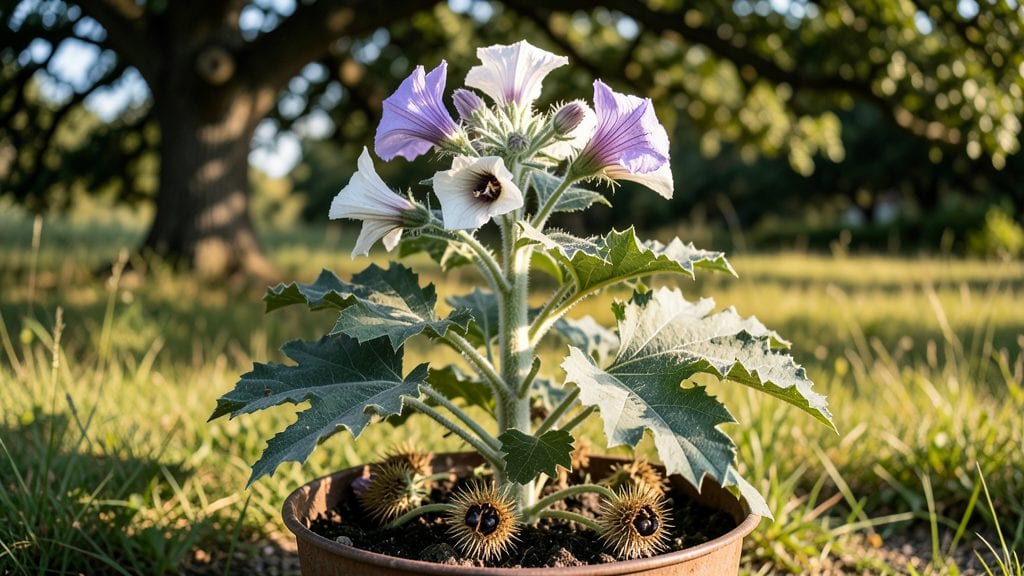
Some of the most deadly garden plants—like foxglove, castor bean, and oleander—pack a double punch as natural pest repellents, but their toxins demand caution. 🌿 I’ve learned the hard way that beauty and danger often grow side by side in the garden.
The good news? With the right precautions, you can harness their pest-fighting power safely. These plants thrive in specific climates—foxglove loves cool, moist regions, while oleander handles heat and drought. Just keep them out of reach of curious kids and pets, and wear gloves when handling leaves or stems.
You’ll notice fewer aphids, slugs, and even deer wandering into your garden after planting these. The trade-off is worth it: natural pest control without harsh chemicals. I’ll show you how to identify them, where to plant them, and what to do if accidental exposure happens.
Whether you’re dealing with a slug problem in your raised beds or deer nibbling your hostas, these plants offer a powerful, chemical-free solution—when used wisely. Let’s make your garden both productive and safe.
📚 In This Guide
- What you need
- Instructions
- Tips and common mistakes
- Wrapping up and next steps
What you need
- ● Deadly garden plants: 3-5 plants per type (e.g., Datura, Foxglove, Castor Bean, or Lobelia—choose based on your pests and climate). Note: Handle with gloves!
- ● Garden gloves: 1 pair (nitrile or latex-free for sensitivity). ⚠️ Critical for safety—these plants contain toxins!
- ● Pruning shears: 1 pair (sharp, sterilized). For trimming and harvesting plant parts.
- ● Small containers: 2-3 (glass or ceramic, 4-8 oz). For storing plant extracts or crushed leaves.
- ● Spray bottles: 2-3 (16 oz). For diluting and applying plant-based repellents.
- ● Watering can: 1 (with a fine rose nozzle). For even distribution of solutions.
- ● Labeling tags: 5-10. To mark plants and solutions (e.g., "Toxic—Keep Away from Pets/Kids").
- ○ Compost or mulch: 1 bag (optional but helpful for containing roots or fallen debris).
- ● Garden trowel: 1 (for transplanting or adjusting plant placement).
- ● Mortar and pestle: 1 set (for crushing leaves/seeds into a paste).
- ● Fine mesh strainer: 1 (if making liquid extracts).
- ● Pet-safe barrier: Chicken wire or fencing (to keep curious pets away from toxic plants).
- ● First-aid kit: 1 (include activated charcoal in case of skin contact).
- ● Camera or journal: 1 (to track pest activity and plant effects over time).
How to use deadly garden plants as natural pest repellents
These four powerful plants keep pests away without chemicals—just plant them strategically.
🌱 Step 1: Plant Marigolds Along Garden Borders
Marigolds release a natural chemical called alpha-terthienyl that repels nematodes, aphids, and even rabbits. I plant them in a 1-foot-wide band around the perimeter of my vegetable beds, spacing them 12 inches apart in rows 18 inches apart. The bright flowers also attract beneficial insects like ladybugs and hoverflies, which prey on garden pests.
Use the 10 marigold plants from your starter pack—place half at the north and south edges of your garden, and the other half at the east and west edges. This creates a full barrier while still allowing sunlight to reach your main crops. Marigolds thrive in full sun and well-draining soil, so plant them after the last frost date when the soil reaches 60°F. Water deeply after planting to help roots establish.
🌿 Step 2: Interplant Basil Among Tomatoes and Peppers
Basil’s strong scent masks the aroma of tomatoes and peppers, confusing pests like whiteflies and thrips. I tuck 3 basil plants directly into my tomato and pepper beds, spacing them 12 inches apart from the main plants. The basil also improves flavor when harvested fresh from the garden.
Plant basil after the soil warms to 55°F—it won’t tolerate cold snaps. Use the 3 basil plants you’ve grown, placing one near each corner of your tomato patch and one in the center of your pepper bed. Water at the base to avoid wetting the leaves, which can encourage fungal diseases. Harvest leaves regularly to encourage bushier growth and stronger pest-repelling oils.
💧 Step 3: Add Nasturtiums as a Trap Crop
Nasturtiums act as a decoy for aphids, squash bugs, and even cabbage worms. These pests prefer nasturtiums over your vegetables, so I plant 5 nasturtium plants in a cluster near the edge of my garden or between rows of susceptible crops like cabbage and kale. The bright orange and yellow flowers also add beauty while serving a functional purpose.
Sow nasturtiums 4 weeks before your last frost date—they germinate quickly in 55-65°F soil. Space them 8-12 inches apart in well-draining soil with full sun to partial shade. Water lightly but consistently; nasturtiums hate soggy roots. Once pests gather on the nasturtiums, simply pluck the affected leaves and toss them into a sealed bag to dispose of them—never compost pest-ridden plants.
✂️ Step 4: Position Garlic and Onions Strategically
Garlic and onions release sulfur compounds that deter pests like carrot flies, Japanese beetles, and even some fungal diseases. I plant 4 garlic bulbs and 4 onion sets around the perimeter of my garden, interspersed with the marigolds. Their strong scent also helps keep deer and rabbits away.
Break apart the 4 garlic bulbs and 4 onion sets you’ve purchased, planting each clove or set 6 inches apart in rows 12 inches apart. Garlic prefers cooler weather, so plant it 4-6 weeks before your last frost date when soil temperatures are 40-50°F. Onions thrive in 50-60°F soil, so plant them 2-4 weeks before your last frost. Water moderately—too much moisture can cause rot, while too little stunts growth. Harvest garlic when the lower leaves turn brown, and onions when tops flop over.
☀️ Step 5: Maintain and Monitor Your Pest-Repellent Garden
Check your pest-repellent plants weekly for signs of pest infestation. If you notice aphids on nasturtiums or whiteflies on basil, take action immediately by spraying with a soapy water solution (1 tablespoon mild dish soap per gallon of water). Avoid chemical sprays—they’ll kill the beneficial insects your repellent plants attract.
Deadhead spent flowers on marigolds and nasturtiums to encourage continuous blooming, which keeps pest-repelling oils active. Rotate crops annually to prevent soil-borne pests from building up. In fall, compost healthy plant debris (except pest-infested nasturtium leaves) to enrich your soil naturally. By next season, your garden will be a self-sustaining pest-free zone.
Tips & tricks for perfect deadly garden plant arrangement
A few strategic moves will make your pest-repellent garden even more effective. I learned these through trial and error—don't make my mistakes!
Soil Temperature Timing: The 60°F soil temperature for marigolds and 55-65°F range for nasturtiums are critical windows. Use a soil thermometer to check—planting too early when soil is cooler can stunt root growth. I always wait until mornings stay above 55°F consistently before planting basil and nasturtiums, even if it means delaying by a week. This ensures your pest-repellent plants establish strong enough to protect your crops from day one.
Plant Placement Strategy: In Step 1, when creating that 1-foot-wide marigold band, I recommend staggering the plants rather than planting in straight lines. This creates a denser barrier that pests can't easily navigate around. For the 3 basil plants in Step 2, place them slightly closer to your tomato plants than peppers—tomatoes are more vulnerable to whiteflies, which basil specifically targets. This strategic positioning maximizes their protective effect where you need it most.
Companion Planting Beyond the Basics: While the instructions cover the core plants, you can optionally add chives or rosemary near your onions and garlic for extra pest protection. These herbs release additional sulfur compounds that complement the garlic and onion's natural defenses. Just be mindful not to overcrowd—maintain the 6-inch spacing between all plants to prevent competition for nutrients.
Pest Monitoring System: For that weekly check in Step 5, I've created a simple monitoring system using small white sticky traps placed near each plant type. This helps you identify which pests are being attracted to your nasturtiums versus which are still targeting your vegetables. If you notice more pests on the traps than on your crops, your system is working perfectly. If pests are still reaching your vegetables, it might be time to add more trap crops or adjust plant spacing.
Pro Tips for Deadly Garden Plants
- A few strategic moves will make your pest-repellent garden even more effective.
- Soil Temperature Timing: The 60°F soil temperature for marigolds and 55-65°F range for nasturtiums are critical windows.
- Plant Placement Strategy: In Step 1, when creating that 1-foot-wide marigold band, I recommend staggering the plants rather than planting in straight lines.
Frequently asked questions
Are these plants really dangerous, or is it just a myth?
Some of these plants—like Datura or Castor Bean—contain toxins that can be harmful if ingested or mishandled. While they’re not deadly in small doses (like a few seeds), they’re still highly toxic. Always wear gloves when working with them, and keep them away from pets and kids. The "deadly" label comes from their potent compounds, but proper precautions make them safe for pest control!
How long does it take for these plants to repel pests?
Results vary! Some plants, like Garlic or Marigolds, start deterring pests within days of planting. Others, such as Rue or Foxglove, may take 2–4 weeks to fully establish their scent or chemical defenses. Monitor your garden closely—if pests persist, rotate or combine plants for better coverage.
Will these plants harm beneficial insects like bees or ladybugs?
Most deadly garden plants target specific pests (e.g., aphids, slugs, or rabbits) while leaving pollinators like bees and butterflies unharmed. However, strong-smelling plants like Datura or Wormwood might deter bees if planted too close to flowers. To keep beneficial bugs happy, space them strategically—group pest-repelling plants near problem areas, not your veggie patches.
Can I grow these plants in containers or small spaces?
Many deadly garden plants thrive in containers, making them perfect for balconies, patios, or small yards. Castor Bean, Lobelia, and Nasturtiums are great choices—they’re compact yet effective. Just ensure containers have drainage holes and enough soil depth (6+ inches for most). Rotate containers seasonally to maximize pest-deterrent benefits!
What do I do if someone or a pet accidentally ingests one of these plants?
Act fast! If ingestion occurs, call Poison Control (1-800-222-1222 in the U.S.) immediately. Keep the plant’s packaging or a sample handy for identification. Never induce vomiting unless instructed by a professional. Symptoms (nausea, dizziness, or skin irritation) vary by plant—Datura causes hallucinations, while Foxglove affects the heart. Prevention is key: store seeds/seeds in locked cabinets and supervise kids/pets around the garden.
Are there safer alternatives for gardeners with kids or pets?
Yes! If you’re wary of toxicity, opt for mild but effective alternatives like:
- Basil (repels mosquitoes and flies)
- Lavender (deters moths and rabbits)
- Chives (keep aphids and carrot flies away)
- Mint (natural slug deterrent)
Wrapping up and next steps
While some garden plants may pose risks, many deadly garden plants actually serve as powerful natural pest repellents—protecting your harvest without harsh chemicals. 🌱 By strategically planting companions like marigolds, lavender, or garlic, you can create a thriving, pest-resistant garden that’s both safe and sustainable.
Ready to transform your garden? Start by identifying your biggest pests and researching the best companion plants for your region. Small changes can make a big difference—happy gardening! 🌿