Container Gardens
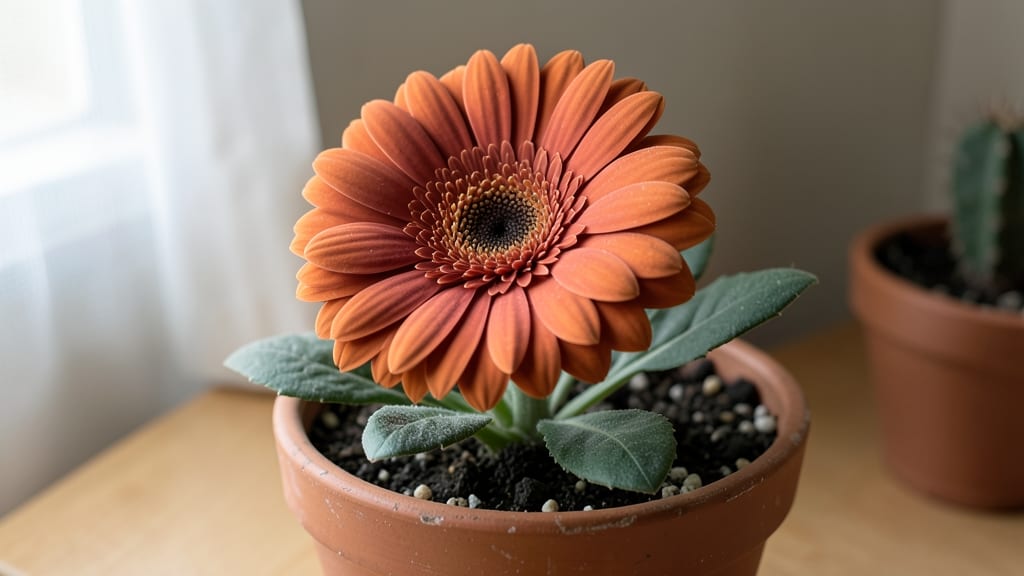
Bringing a daisy indoor plant into your home is easier than you think—with the right balance of light, soil, and water, you’ll enjoy nonstop blooms that brighten up any room.
Picture this: a sunny fall afternoon when your windowsill bursts into color, but your plant suddenly wilts despite your best efforts. The fix isn’t complicated — it’s about avoiding the three biggest mistakes that turn vibrant daisies into sad, leggy shadows.
Indoor gardening doesn’t have to be a guessing game. Whether you’re dealing with dim apartment lighting or wondering how often to water, I’ll walk you through the exact care routine that keeps your Gerbera Daisy (Indoor) thriving all year.
From picking the perfect pot to troubleshooting yellow leaves, you’ll learn the simple tricks that make a difference between a struggling plant and a showstopping centerpiece.


How to choose the perfect daisy variety for indoor growing
Not all daisies thrive indoors—some need full sun and outdoor conditions to bloom their best. The key to year-round indoor blooms lies in selecting the right daisy variety that matches your home's light conditions and your care routine.
Whether you live in a sunlit condo or a low-light apartment, there's a daisy perfect for you. Let's explore the top indoor-friendly daisies and how to pick the winner for your space.
First, consider your light exposure. A south-facing window with 6+ hours of direct sun will support bold bloomers like Gerbera daisies, while north-facing or artificial light spaces need low-light champions like the African Daisy.
Even Shasta Daisies (classic garden favorites) can adapt indoors with the right adjustments. Your choice hinges on balancing bloom vibrancy, care difficulty, and survival in your home's microclimate.
The Gerbera Daisy steals the show with its vibrant, oversized blooms in colors like red, orange, and yellow, but it demands bright indirect light and high humidity to prevent bud drop.
If your home has a sunny east or west window, this is your star performer—just be prepared to mist leaves daily or use a pebble tray to recreate its tropical habitat.
For longer bloom cycles, opt for Gerbera 'Mini Daisy' varieties, which stay compact and cheerful even in small apartments.
For low-light warriors, the African Daisy (Osteospermum) is your secret weapon. This drought-tolerant beauty thrives in north-facing rooms or under grow lights and blooms year-round with minimal fuss. Its daisy-like flowers come in purple, pink, and white, and it handles occasional neglect better than most.
If you're a busy plant parent, this is the easiest blooming daisy for indoor growing—just water when the top inch of soil dries.
Shasta Daisies bring old-world charm but require cool indoor temps (60-65°F) and bright light to mimic their outdoor habits. They’re not ideal for warm apartments, but if you have a cool basement greenhouse or sunroom, they’ll reward you with classic white-and-yellow blooms in spring and summer. The trade-off? They’re high-maintenance indoors and may stop blooming if temperatures rise above 70°F.
Pro tip: Rotate your daisy’s pot every few days to ensure even light exposure, which prevents leggy growth and lopsided blooms. If your daisy starts stretching toward the light, it’s a sign it needs more brightness or a grow light.
For low-light spaces, supplement with a 12-hour LED grow light (10,000-15,000 lux) placed 6-12 inches above the plant. This mimics natural sunlight and keeps blooms compact and vibrant.
Humidity is another game-changer for indoor daisies. Gerberas and Shastas love 50-60% humidity, while African Daisies tolerate drier air. If your home feels dry, place a humidifier nearby or group plants together to create a microclimate.
A simple DIY fix is a spray bottle—mist leaves morning and evening to keep them lush and blooming. Avoid overhead watering, though, as wet foliage invites powdery mildew and fungal diseases.
Finally, pot size matters. Most indoor daisies thrive in 6-8 inch pots with **d
Step-by-step daisy indoor plant lighting guide for non-stop blooms
Your daisy indoor plant thrives on bright indirect light, but too little sunlight triggers leggy stems and sparse blooms. The key is mimicking natural light cycles—4-6 hours daily—whether through a sunny window or artificial grow lights.
Without proper light, your plant may overcompensate by drinking too much water, leading to root rot. Let’s fix that with simple adjustments.
Start by placing your Gerbera Daisy near an east or west-facing window, where morning or afternoon sun won’t scorch the delicate petals. If your space lacks natural light, supplement with a full-spectrum LED grow light positioned 6-12 inches above the plant.
Run it for 12-14 hours daily to replicate daylight. This consistency prevents the overwatering mistakes caused by weak stems struggling to support heavy foliage.
⚠️
Yellowing leaves and stretched stems mean your daisy is starving for light. Cut back on watering immediately—overwatering worsens in low light because roots can’t absorb moisture efficiently. Move the plant closer to a light source or upgrade to a grow light within 48 hours to prevent permanent damage.
To diagnose light issues, check for these 3 red flags: pale foliage, fewer than 3 blooms per stem, or leaves growing toward the light source. If you spot these, rotate your plant quarter-turn weekly to ensure even growth.
For windowless rooms, invest in a smart grow light with adjustable spectra—blue light promotes foliage, while red light boosts blooming. My Gerbera Daisy went from 2 blooms to 10 in 3 weeks after switching to a 15W LED panel!
Pro tip: Use a light meter app to track lux levels—daisies need 10,000-15,000 lux. If your space falls short, pair your grow light with reflective surfaces (like aluminum foil on walls) to amplify brightness.
Avoid placing your plant near HVAC vents or drafty areas, as fluctuating temperatures stress the plant and disrupt light absorption.
For window-based setups, clean windows monthly to remove dust blocking 20-30% of light. If your daisy’s leaves develop brown tips, it’s often a sign of low humidity from dry indoor air—pair your grow light with a pebble tray to maintain 40-50% humidity.
This dual approach keeps your plant hydrated without overwatering, since proper humidity reduces the need for frequent soaking.
Remember, light is the foundation of indoor daisy care. Once you’ve nailed the 4-6 hours of bright light daily, your plant will reward you with bold blooms year-round. Start with small adjustments, monitor closely, and soon your daisy indoor plant will become the showstopper of your home! 🌼