Plants
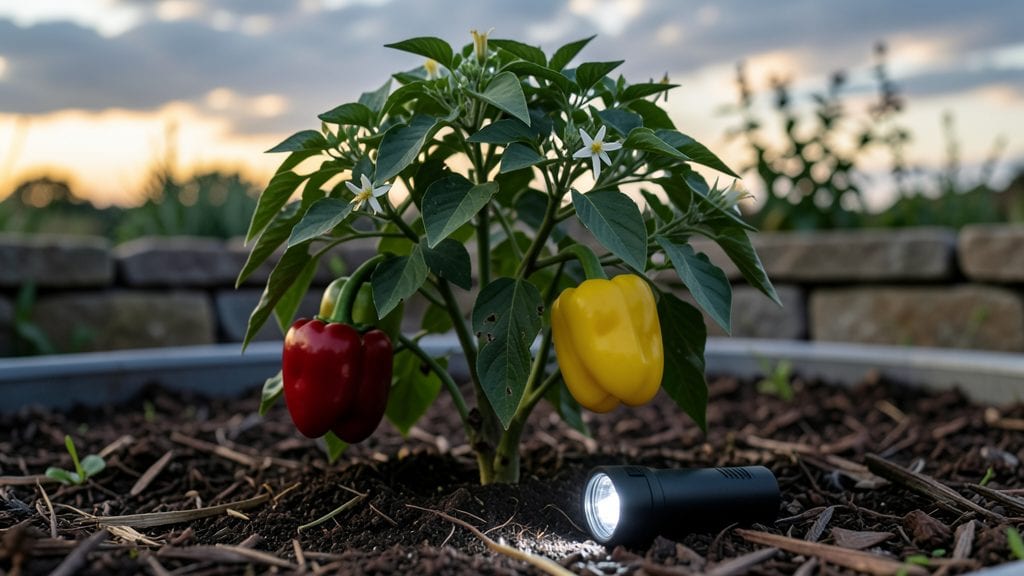
Cutworms on pepper plants turn your thriving seedlings into sad, wilted stumps overnight. 🌱 I’ve lost entire batches of peppers to these sneaky pests, but I’ve also learned how to stop them before they strike again—and it doesn’t require harsh chemicals.
The key is acting fast, because once they’re feeding, your plants have little chance.
These caterpillars hide in the soil during the day, then climb up stems at night to chew through them like butter. You’ll spot their damage first: clean-cut stems at soil level, or seedlings that topple over like toothpicks.
The good news? Prevention is simple—collars around stems, row covers, and even a little diatomaceous earth create barriers they can’t cross. I’ve saved multiple harvests with these tricks alone.
When you do find them, handpicking at dusk works surprisingly well, or let chickens loose in the garden for a few hours. The goal is to protect your plants without poisoning your soil.
With the right mix of prevention and quick action, you’ll keep your peppers standing tall all season—no more mysterious wilting or missing seedlings.
This works for all peppers—jalapeños, bell peppers, even chiles—because cutworms don’t discriminate. The secret is consistency: check your plants every few days, especially after rain when these pests get active. Your harvest depends on it.
The Hidden Culprits Behind Leaf Damage
When your pepper plants start looking like they’ve been chewed by tiny, nocturnal bandits, cutworms are often the sneaky culprits. These caterpillars—larvae of moths like the variegated cutworm or black cutworm—thrive in conditions that might seem harmless to you.
Understanding why they target your peppers is the first step to outsmarting them. Let’s break down the science behind their destructive behavior.
Cutworms are nocturnal by nature, meaning they strike under the cover of darkness. Their primary goal? Survival. During the day, they burrow into the soil or hide under debris to avoid predators like birds and spiders.
But once the sun sets, they emerge to feed on tender plant stems and leaves—pepper plants are a delicious buffet for them.
Why peppers? Young plants are especially vulnerable because their stems are soft and easy to sever at ground level (their signature "cut" method).
Mature peppers with thicker stems are less appealing, but cutworms won’t hesitate if other food sources are scarce. Overwatered or weedy gardens also attract them, as moist soil provides the perfect hiding spot during the day.
Cutworms don’t just appear out of nowhere—they’re drawn to specific environmental factors that make your garden a five-star hotel. Here’s what’s inviting them:
- Moist, loose soil: Cutworms prefer soil that’s easy to burrow into, especially after rain or irrigation. Pro tip: Sandy or clay-heavy soils with high organic matter are their favorites.
- Weedy or mulched beds: Weeds and thick mulch layers create microclimates that retain moisture and provide shelter. Cutworms use these as daytime hideouts.
- Cool, damp nights: Temperatures between 50–75°F (10–24°C) are prime feeding weather for them. If your region has spring or fall weather like this, expect peak activity.
- Lack of natural predators: Birds, toads, and parasitic wasps typically keep cutworm populations in check. But if your garden lacks these helpers (due to pesticides, habitat loss, or urban settings), cutworms explode in numbers.
💡 Actionable insight: If your peppers are planted in a low-lying area where water pools or in a garden with heavy mulch, you’re basically rolling out the red carpet for cutworms.
Not all pepper varieties are equally tempting to cutworms, and how you arrange your garden can dramatically reduce their impact. Here’s the science:
| Vulnerable Factors | Why It Attracts Cutworms |
|---|---|
| Young, tender seedlings | Thin stems are easy prey—cutworms can sever them in seconds. |
| Peppers planted too close to soil | Cutworms prefer ground-level feeding; elevated pots or cages make stems harder to reach. |
| Monoculture plantings (all peppers in one spot) | Cutworms cluster where food is abundant. Diversity confuses them. |
| Leggy or stressed plants | Weak stems lack defensive compounds that deter pests. |
🌡️ Pro tip: Interplant peppers with basil, marigolds, or onions—these repel cutworms with natural compounds. Also, avoid planting peppers in the same spot year after year; cutworm eggs often overwinter in the soil.
Cutworms aren’t just a random problem—they follow a predictable life cycle that aligns with seasonal changes:
- Egg stage (spring/fall): Female moths lay 100–200 eggs in clusters on soil or low-growing plants. These hatch in 7–14 days when soil temps hit 50°F (10°C).
- Larval stage (summer/early fall): The caterpillars feed aggressively for 4–6 weeks, growing up to 2 inches long. This is when they devour your peppers.
- Pupation (late fall): They burrow deep into the soil to pupate, emerging as moths the following season to repeat the cycle.
⏰ Critical window: The first 2–3 weeks after transplanting are the most dangerous for peppers, as cutworms are still small but hungry. If you notice chewed stems at ground level during this time, act fast.
Sometimes, well-intentioned gardening practices create the perfect cutworm paradise. Here’s how:
- Overhead watering: Wet foliage at night signals cutworms that prey is nearby. They’re drawn to moisture gradients.
- Heavy mulching without barriers: Mulch retains moisture and hides eggs/larvae. Without a physical barrier (like collars), cutworms chew right through.
- Late-season planting: If you plant peppers in late summer, you’re adding fresh food just as cutworm populations peak.
- Ignoring garden cleanup: Leaving plant debris over winter preserves pupating cutworms, leading to bigger infestations next year.
🔥 Quick fix: Switch to drip irrigation and remove garden debris in fall to break their life cycle.
Quick Fixes for Cutworm Damage
Cutworms are sneaky pests that can turn your thriving pepper plants into sad, wilted stumps overnight—but don’t panic! With the right approach, you can save your plants fast and prevent future attacks. Below are targeted solutions based on the root cause of your problem, from immediate rescue to long-term prevention.
If you’ve already spotted chewed stems, wilting leaves, or missing seedlings, act fast to minimize harm:
1. 🔥 Handpick the Pests (Best for Small Infestations)
- When to use: Early detection (before heavy damage).
- How to do it:
- Go out early in the morning or late evening (cutworms are sluggish then).
- Gently lift the soil near the base of your pepper plants—cutworms hide under leaves or burrow slightly into the dirt.
- Drop them into a bucket of soapy water (1 tbsp dish soap + water) to kill them instantly.
- Pro tip: 💡 Check under mulch, boards, or debris where they love to hide!
2. 🍳 DIY Collar Barriers (Stop Chewing at the Stem)
- When to use: If cutworms are actively cutting stems.
- How to do it:
- Cut toilet paper rolls, cardboard, or aluminum foil into 2-inch-wide rings.
- Place them snugly around the base of each pepper plant, pressing into the soil 1 inch deep.
- The rough edges deter cutworms from climbing up to feast.
- Pro tip: 🌡️ Refresh the collars every 2–3 weeks or after rain (they break down).
3. 👨🍳 Nighttime Flashlight Patrol (For Heavy Infestations)
- When to use: If you’re seeing multiple damaged plants.
- How to do it:
- Grab a flashlight and inspect your garden after sunset.
- Cutworms glow faintly green under UV light—look for them crawling on soil or plants.
- Squish them with gloves or drown them in soapy water.
- Pro tip: ✨ Do this 3 nights in a row to break their life cycle.
Once you’ve rescued your peppers, prevent future attacks with these low-effort, high-impact strategies:
1. 🌱 Healthy Soil = Happy Plants (Weak Plants Attract Pests)
- Why it works: Cutworms target stressed or weak plants—strong peppers are less appealing.
- How to do it:
- Amend soil with compost before planting (aim for 2–3 inches mixed into the top 6 inches).
- Mulch heavily (2–3 inches of straw or grass clippings) to confuse cutworm larvae and retain moisture.
- Avoid overwatering—cutworms love damp soil.
2. 🌙 Disrupt Their Life Cycle (Confuse & Starve Them)
- Why it works: Cutworms hatch in warm soil and migrate at night—throw them off their game!
- How to do it:
- Rotate crops yearly (don’t plant peppers, tomatoes, or eggplants in the same spot).
- Plant trap crops like lettuce or radishes—cutworms prefer these over peppers!
- Use reflective mulch (aluminum foil or silver plastic mulch) to scatter light and disorient them.
3. 🐛 Natural Predators: Let Nature Do the Work
- Why it works: Birds, toads, and parasitic wasps love eating cutworms—encourage them!
- How to do it:
- Install a bird feeder near your garden to attract robins and starlings (their favorite snack).
- Leave some bare soil in garden edges—ground beetles hunt cutworms.
- Plant dill, fennel, or cilantro nearby to attract beneficial wasps.
4. 🔪 Organic Sprays (Last Resort for Stubborn Infestations)
- When to use: If cutworms keep coming back despite other methods.
- Best options:
- Bacillus thuringiensis (Bt): A natural bacteria that kills caterpillars (including cutworms) but harms no other plants or animals.
- How to apply: Spray every 7–10 days at dusk (cutworms are active then).
- Neem oil: Repels and weakens cutworms—mix 1 tbsp neem oil + 1 tsp mild soap per gallon of water, spray on leaves and soil.
- Beauveria bassiana (fungal spray): A natural fungus that infects and kills cutworms over time.
- Bacillus thuringiensis (Bt): A natural bacteria that kills caterpillars (including cutworms) but harms no other plants or animals.
| Season | Task | Frequency |
|---|---|---|
| Early Spring | Apply Bt spray before planting or when soil warms above 50°F. | Once at planting |
| Summer | Handpick daily at dawn/dusk. | 2–3x per week |
| Fall | Till soil in autumn to expose pupae (they’ll freeze over winter). | Once after harvest |
| Winter | Remove garden debris to starve overwintering pests. | Before first frost |
Final Pro Tip: 🎯 Combine methods for best results—collars + Bt + bird feeders = a cutworm-free pepper patch in no time! With these steps, your peppers will bounce back stronger and you’ll enjoy plump, healthy harvests all season.
Frequently asked questions
How do I know if cutworms are damaging my pepper plants?
Look for clean-cut stems at soil level—cutworms chew through stems like scissors, causing seedlings to topple over. You may also spot ragged holes in leaves or find greenish caterpillars (up to 2 inches long) hiding under mulch or soil during dawn/dusk. Check plants after rain when these pests are most active.
Are cutworms only a problem for young pepper plants?
While young seedlings are their favorite target, cutworms won't hesitate to attack mature peppers if other food sources are scarce. Stressed or leggy plants are especially vulnerable, as their thinner stems are easier to sever. The key is protecting all plants during the first 2–3 weeks after transplanting when cutworms are most aggressive.
What's the fastest way to stop cutworms from destroying my peppers?
For immediate results, create DIY collars using toilet paper rolls or cardboard wrapped around stems. Combine this with a nighttime flashlight patrol (cutworms glow faintly under UV light) to handpick pests. Apply Bacillus thuringiensis (Bt) spray at dusk for long-term organic control—it kills caterpillars within 48 hours without harming plants.
Can I use chemical pesticides to eliminate cutworms?
Chemical options like carbaryl or permethrin can work, but they harm beneficial insects and may leave residues. For organic gardens, neem oil or spinosad are safer alternatives. The most effective approach combines physical barriers (collars), natural predators (birds/toads), and organic sprays to protect your peppers without poisoning the ecosystem.
How can I prevent cutworms next growing season?
Start with crop rotation—don't plant peppers in the same spot yearly. Use reflective mulch (aluminum foil) to disorient larvae, and install bird feeders to attract cutworm predators. In fall, till the soil to expose pupating cutworms to winter freeze. Planting trap crops like lettuce nearby can lure cutworms away from your peppers.