
Diseases
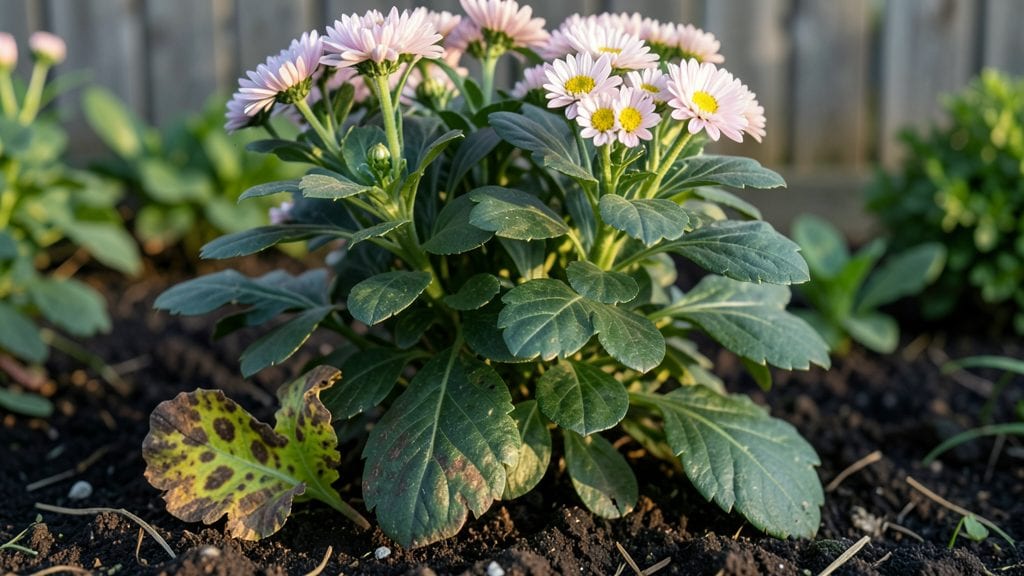
Chrysanthemum plant diseases turn vibrant blooms into sad, spotted messes before your eyes—especially when you least expect it. 🌿 I’ve watched powdery white fuzz creep across my mums one morning, then rust-colored splotches appear by afternoon, and I’ll never forget the frustration of losing a whole bed to leaf spot.
The good news? Most of these problems have early warning signs you can catch before they spread.
Powdery mildew starts as faint white speckles on leaves, rust shows up as orange pustules, and leaf spot begins with tiny brown dots that grow into dead patches.
Poor air circulation, wet foliage, and crowded plants make them worse—but the right spacing, watering at the base (not overhead), and a little copper fungicide spray can stop them in their tracks. I’ve saved entire gardens just by acting fast.
Once you spot the first signs, you’ll want to prune infected leaves immediately, thin out crowded stems, and treat with a baking soda spray (1 teaspoon per quart of water) for mildew or neem oil for rust.
The key is consistency—don’t wait until the plants look like they’ve been through a war. With these steps, your chrysanthemums can bounce back stronger than ever.
This works for both garden beds and container-grown mums, whether you’re dealing with powdery mildew in humid summers or rust in damp springs. The same principles apply—early action is everything. Let’s get those blooms back to their best before the season’s over.
The hidden triggers behind plant struggles
Chrysanthemums (Chrysanthemum morifolium) are prized for their vibrant blooms and hardy nature, but even these resilient plants fall victim to diseases when certain conditions align. Understanding the root causes of these issues helps gardeners take proactive steps to protect their plants.
Let’s break down the science behind why chrysanthemums develop diseases—and how you can prevent them before they strike.
Fungal diseases like gray mold (Botrytis cinerea), powdery mildew (Erysiphe cichoracearum), and leaf spot (Septoria) thrive in specific environmental conditions. Here’s why:
- High Humidity + Poor Airflow: Fungi spread via spores, which germinate in damp, stagnant air. Chrysanthemums grown too closely together or in shaded, humid spots create the perfect breeding ground. Why? Fungal spores land on leaves, penetrate the cuticle, and feed on organic matter—especially when moisture lingers for more than 12 hours per day.
- Warm Temperatures (60–80°F): Fungi like powdery mildew multiply rapidly in moderate warmth. Science note: The ideal temperature for fungal growth is 77–86°F, where spores release enzymes that break down plant cell walls, leading to white powdery patches or brown lesions.
- Wet Foliage: Overhead watering or morning dew on leaves creates a film that traps spores against the plant. Actionable fix: Water at the base of the plant in the early morning to allow foliage to dry by evening.
💡 Pro Tip: Space chrysanthemums 12–18 inches apart and prune for airflow. If humidity is an issue, use a fan on low speed to circulate air around plants.
Bacterial diseases like bacterial leaf spot (Xanthomonas campestris) or soft rot (Erwinia) don’t just appear—they infect through wounds. Here’s how:
- Physical Damage: Cuts from pruning, insect bites (e.g., aphids), or hail create entry points. Bacteria like Xanthomonas seep into these wounds, multiplying in the plant’s vascular system. Result? Water-soaked lesions that turn yellow or brown.
- Contaminated Tools or Water: Pruners, gloves, or even rainwater splashing from infected plants can transfer bacteria. Science fact: Bacteria like Erwinia survive in soil and water for weeks, waiting for an opportunity to invade.
- Stress from Overwatering: Soggy soil weakens roots, reducing the plant’s ability to fight off pathogens. Why? Overwatering leads to anaerobic conditions in the soil, where harmful bacteria thrive while beneficial microbes die off.
🔥 Prevention: Sterilize pruners with rubbing alcohol between cuts, avoid overhead watering, and let the top 1–2 inches of soil dry between waterings.
Many chrysanthemum diseases hitch a ride on insects like aphids, whiteflies, or thrips. Here’s the chain reaction:
- Virus Transmission: Aphids feed on infected plants, then carry viruses like Chrysanthemum Virus B to healthy ones via their stylets (mouthparts). Science alert: A single aphid can transmit a virus in seconds during feeding.
- Honeydew Buildup: Insects like whiteflies excrete honeydew, a sugary substance that attracts sooty mold fungi. This secondary infection coats leaves, blocking sunlight and weakening the plant.
- Physical Stress: Heavy infestations damage leaves, creating wounds that invite bacterial or fungal infections. Example: Thrips scrape plant tissue, leaving silver streaks that become gateways for pathogens.
🎯 Solution: Introduce beneficial insects (ladybugs, lacewings) or use neem oil to deter pests. ✨ Bonus: Yellow sticky traps can monitor and reduce aphid populations.
Poor soil health sets the stage for disease. Here’s how:
| Issue | Why It Causes Disease | Fix It |
|---|---|---|
| Compacted Soil | Reduces drainage, leading to root rot (e.g., Phytophthora). Weak roots can’t absorb nutrients, making plants stress-prone. | Add compost or perlite to improve aeration. |
| Nitrogen Deficiency | Weakens cell walls, making plants more susceptible to fungal entry. Yellowing leaves signal poor health. | Use a balanced fertilizer (10-10-10) or fish emulsion. |
| High Soil pH (>7.0) | Locks out micronutrients like iron and manganese, stunting growth. Weak plants can’t fight off pathogens. | Test soil and amend with sulfur or peat moss to lower pH. |
🌡️ Test Your Soil: Use a home pH kit or send a sample to a local extension office for a full analysis. Healthy soil = healthier chrysanthemums!
Fixing Chrysanthemum Ailments Naturally
When your chrysanthemums show signs of distress, quick action can save the day! Below are targeted, organic solutions for the most common issues, paired with prevention tips to keep your plants thriving. Think of these as your plant’s first-aid kit—simple, effective, and free of harsh chemicals.
Cause: Fungal spores thrive in humid, shaded conditions, coating leaves with a white, powdery film.
How to Fix It: 🔥 Remove Infected Leaves Strip off heavily mildewed leaves with clean pruners (sterilize with rubbing alcohol). Dispose of them in the trash—not the compost!
🍳 DIY Baking Soda Spray Mix 1 tsp baking soda + 1 tbsp vegetable oil + 1 quart water in a spray bottle. Add a drop of dish soap as a surfactant. Spray both sides of leaves every 7–10 days until symptoms fade.
👨🍳 Neem Oil Treatment Combine 1 tbsp neem oil + 1 tsp mild castile soap + 1 quart water. Spray in the early morning or evening (avoid direct sun) to prevent leaf burn. Repeat weekly for 3 weeks.
🥘 Boost Airflow & Light
- Prune nearby plants to improve circulation.
- Move chrysanthemums to a sunnier spot (6+ hours of sunlight).
- Water at the base, not overhead, to keep foliage dry.
💡 Prevention Tip: Space plants 12–18 inches apart and avoid overhead irrigation. For stubborn cases, try reflective mulch (like aluminum foil) to reduce humidity near the soil.
Cause: Overwatering or poor drainage suffocates roots, turning them mushy and black.
How to Fix It: 🔪 Trim the Damage Gently remove the plant from its pot and snip off black, mushy roots with sterilized scissors. Keep only firm, white roots.
⏰ Repot in Fresh Mix Use a well-draining potting blend (50% peat moss, 30% perlite, 20% compost). Add a handful of sand or vermiculite for extra aeration.
🌡️ Adjust Watering Habits
- Let the top 1–2 inches of soil dry out before watering again.
- Use pots with drainage holes and a saucer (empty excess water after 15 minutes).
- Consider a moisture meter to avoid guesswork.
🎯 Fungal Defense Dust roots with cinnamon powder (natural antifungal) before repotting. Water lightly for 2 weeks, then resume normal care.
✨ Prevention Tip: If your garden soil is heavy clay, plant chrysanthemums in raised beds or containers to control moisture.
Cause: Tiny pests suck sap, causing curled leaves, sticky residue (honeydew), and webbing.
How to Fix It: 💦 Blast Them Away Hold plants under a strong hose spray for 30 seconds to dislodge pests. Repeat every 3–4 days for 2 weeks.
🍎 Soapy Water Bath Mix 2 tbsp mild liquid soap (like Castile) + 1 quart water. Spray directly on pests (avoid oversoaping leaves). Test on a small area first!
🌿 Introduce Beneficial Bugs Release ladybugs or lacewings (available at garden centers) to eat aphids naturally. Plant marigolds or dill nearby to attract them.
🔥 DIY Garlic Spray Blend 3 garlic cloves + 1 quart water, strain, and add 1 tsp cayenne pepper. Spray weekly to repel mites (garlic’s sulfur deters pests).
💡 Prevention Tip: Wrap blue sticky traps around stems to monitor and catch early infestations. Prune yellowing leaves (aphid hotspots) immediately.
Cause: Fungal or bacterial spots (brown/yellow patches with yellow halos) spread via water splashes.
How to Fix It: 🧼 Sterilize Tools & Hands Wash pruners with 70% isopropyl alcohol before trimming infected leaves. Wear gloves to avoid spreading spores.
🍳 Copper Fungicide Spray Use an organic copper fungicide (like Bonide Copper Fungicide) and spray weekly until new growth appears. Follow label instructions closely.
👨🍳 Hydrogen Peroxide Soak For container plants, soak roots in 3% hydrogen peroxide + water (1:1 ratio) for 10 minutes before repotting. Rinse well afterward.
🥘 Prevent Recontamination
- Remove fallen leaves from the soil surface.
- Water early in the day so foliage dries quickly.
- Rotate plants weekly to ensure even sun exposure.
✨ Prevention Tip: Space plants at least 18 inches apart and avoid overhead watering. If leaf spot recurs, solarize the soil (cover with clear plastic for 4–6 weeks in summer) to kill fungi.
Pro Tip for All Issues: 🌿 Strengthen your chrysanthemums with a balanced organic fertilizer (like fish emulsion) every 4–6 weeks. Healthy plants resist diseases better than stressed ones!
Frequently asked questions
Why do my chrysanthemum leaves develop white powdery spots?
That’s powdery mildew—a fungal disease thriving in humid conditions. The white fuzz appears when spores land on leaves and multiply in stagnant air. Prune infected leaves immediately, then spray with a mix of 1 tsp baking soda + 1 tbsp oil + 1 quart water every 7 days until it clears.
Can I still save my chrysanthemums if the stems turn black and mushy?
Yes, but act fast! Root rot is usually caused by overwatering or poor drainage. Snip off black roots, repot in fresh, well-draining soil with perlite, and water only when the top 1–2 inches feel dry. Add a sprinkle of cinnamon to the roots for natural antifungal protection.
What’s the best way to prevent leaf spot diseases in chrysanthemums?
Leaf spot spreads through water splashes, so water at the base of plants in the morning. Space them 18 inches apart for airflow, and remove fallen leaves promptly. For extra defense, spray with copper fungicide every 2 weeks during humid seasons.
Are there organic sprays that work for both fungal and bacterial issues?
Neem oil is your best all-purpose fix! Mix 1 tbsp neem oil + 1 tsp soap + 1 quart water and spray early/late in the day. It disrupts fungal growth and deters pests that spread bacteria. Repeat weekly for 3 weeks or until symptoms fade.
How do I know if my chrysanthemums have a virus instead of a fungal disease?
Viruses cause distorted growth (curled leaves, stunted stems) without the powdery fuzz or spots of fungal infections. If you see yellow rings or mosaic patterns, the plant is likely infected with a virus like Chrysanthemum Virus B—remove it immediately to stop spread to healthy plants.