
Companion Plants
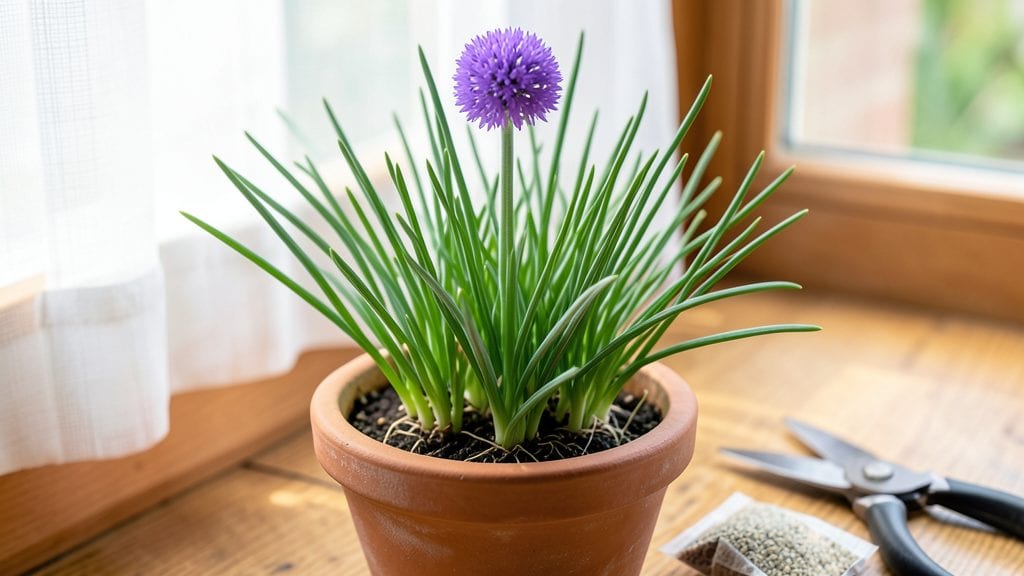
Chive family plants—like chives, garlic, onions, and leeks—are the unsung heroes of any garden, working silently to repel pests while adding flavor and texture. 🌱 I’ve grown them for years, and they’ve never let me down, whether planted in spring or tucked into fall beds.
These hardy perennials and biennials thrive in cool weather, making them perfect for year-round planting in most climates.
The secret to their success lies in their low-maintenance nature: they love well-draining soil, full sun, and consistent moisture, but they’re tough enough to handle occasional neglect. Start with sets or seeds in early spring or late summer, spacing them about 4–6 inches apart.
Once established, they’ll spread, crowding out weeds and deterring pests like aphids and Japanese beetles naturally.
Harvesting is simple—just snip chives as needed or pull onions and garlic when their tops yellow. The flavor intensifies as they mature, and the more you harvest, the bushier they grow. By midseason, you’ll have a lush, pest-resistant patch that keeps giving, even in winter’s chill.
Works for containers, raised beds, or in-ground gardens—just adjust spacing for smaller pots. These plants are the ultimate multitaskers: edible, ornamental, and protective all in one. Let’s get growing!
Root Causes of Chive Family Struggles
Chives and their allium family relatives—like garlic, onions, and leeks—are hardy, low-maintenance plants, but they can still face challenges that stunt growth, attract pests, or reduce yields. Understanding the why behind these issues helps you take targeted action. Below, we break down the most common culprits and their scientific roots.
🌱 Poor Soil Conditions: The Foundation Fails
Alliums thrive in well-draining, nutrient-rich soil with a slightly acidic to neutral pH (6.0–7.0). When soil falls short, plants weaken, making them vulnerable to disease and pests. Here’s why:
- Compacted or Clay-Heavy Soil: Allium roots need oxygen to breathe. Dense soil restricts root expansion, leading to stunted growth or yellowing leaves. Why? Poor aeration reduces microbial activity, limiting nutrient uptake.
- Nutrient Deficiencies: Alliums are heavy feeders, especially in nitrogen (for leafy growth) and sulfur (for flavor compounds). Deficiencies show as pale leaves or weak stems. Test your soil—low organic matter or improper fertilization can trigger these issues.
- pH Imbalances: Soil too acidic (<5.5) locks out essential minerals like phosphorus, while alkaline soil (>7.5) reduces manganese availability. Result? Chlorotic (yellowing) leaves or poor bulb development.
Actionable fix: Amend soil with compost, sand (for drainage), or sulfur-based amendments to adjust pH. Conduct a soil test every 2–3 years to monitor levels.
🐛 Pest Pressure: Nature’s Uninvited Guests
Chives and their kin are magnets for pests because their sulfur-rich compounds (like allicin) repel some bugs but attract others. Common offenders include:
- Onion Thrips: These tiny insects pierce leaves, injecting toxins that cause silver streaks and stunted growth. Why? Thrips thrive in dry, hot conditions and lay eggs in leaf sheaths, where alliums can’t easily defend themselves.
- Allium Leaf Miner: Larvae burrow into leaves, creating blister-like tunnels that block photosynthesis. Trigger? Overcrowded plants or late-season planting leave them susceptible to these larvae.
- Fungal Invaders (e.g., White Rot, Downy Mildew): Fungi like Sclerotium cepivorum (white rot) survive in soil for years, attacking roots and bulbs. How? Moisture-stressed plants or contaminated tools spread spores.
Actionable fix:
- Rotate crops annually to break pest/fungal cycles.
- Use row covers early in the season to block thrips.
- Remove and destroy infected plants (don’t compost!) to prevent spread.
💦 Water Woes: Too Much or Too Little
Alliums are drought-tolerant but hate inconsistent moisture. Their bulbs and leaves are prone to rot or stress when watering is erratic. Here’s the science:
- Overwatering: Alliums need 1–1.5 inches of water weekly, but soggy soil suffocates roots, promoting fungal diseases like Botrytis. Why? Fungi thrive in anaerobic (low-oxygen) conditions.
- Underwatering: Shallow roots (like chives) dry out quickly, causing bolting (premature flowering) or crispy leaf edges. Trigger? Sandy soil or heatwaves increase evaporation rates.
- Irregular Watering: Fluctuating moisture stresses plants, making them more susceptible to pests. Example: A dry spell followed by a heavy rain can crack bulbs, inviting rot.
Actionable fix:
- Use drip irrigation or soaker hoses to deliver water at the soil level.
- Mulch with straw or shredded leaves to retain moisture and regulate temperature.
- Avoid watering foliage (especially at night) to reduce fungal spores.
❄️ Environmental Stressors: Heat, Cold, or Shade
Alliums are adaptable, but extreme conditions push them beyond their comfort zone. Key stressors include:
- Excessive Heat: Temperatures above 85°F (29°C) cause bolting (flowering) in chives or scallions, diverting energy from leaf growth. Why? Heat accelerates metabolic processes, triggering reproductive cycles prematurely.
- Frost Damage: Young seedlings or overwintering bulbs can suffer from freezing temps (<20°F/-7°C), leading to blackened leaves or rot. Science note: Cell membranes rupture when ice crystals form, killing tissue.
- Inadequate Sunlight: Alliums need 6+ hours of sun daily. Shady spots produce leggy, weak stems with poor flavor. Result? Reduced allicin production (their natural pest repellent).
Actionable fix:
- Plant in full sun (6+ hours) and use shade cloth (30–50%) if temps exceed 90°F (32°C).
- Protect seedlings with row covers during late frosts or use black plastic mulch to warm soil.
- Choose heat-tolerant varieties like ‘Everlasting’ chives or ‘Red Baron’ garlic for hot climates.
Pro tip: 🌡️ Most allium issues stem from one or more of these root causes. Start with a soil test and pest inspection—often, the fix is simpler than you think!
Quick Fixes For Common Plant Woes
Growing chive family plants—like chives, garlic chives, leeks, and onions—can be incredibly rewarding, but pests and environmental stressors can quickly turn your garden into a battleground. 🚨 The good news?
Most issues have simple, effective solutions. Below, we’ve mapped out practical fixes for the most common problems, along with prevention tips to keep your chive allies thriving year-round.
1. Aphids, Thrips, or Spider Mites Invading Your Greens
Cause: These tiny sap-suckers cluster on leaves, causing yellowing, curling, or sticky residue (honeydew). Fix: 🔥 Spray with Soapy Water – Mix 1 tsp mild dish soap + 1 quart water.
Spray leaves thoroughly (especially undersides) every 2–3 days until pests vanish. 🍳 Neem Oil Blast – Combine 1 tbsp neem oil + 1 tsp castile soap + 1 quart water. Spray at dusk to avoid harming bees.
Reapply weekly. 👨🍳 Introduce Beneficial Bugs – Ladybugs, lacewings, and parasitic wasps love eating aphids. Buy them online or attract them with dill or fennel as companion plants.
💡 Prevention Tip: Plant nasturtiums nearby—their peppery scent repels aphids naturally!
2.
Onion Fly or Maggots Damaging Bulbs Cause: Onion flies lay eggs near the base, and maggots burrow into stems, stunting growth. Fix: 🔪 Cut & Toss Infested Stems – Snip off affected leaves at soil level and dispose of them in sealed bags (don’t compost!). ⏰ Use Row Covers Early – Install floating row covers at planting to block adult flies.
Remove when flowers appear to allow pollinators. 🌡️ Interplant with Carrots or Beets – These disrupt onion fly life cycles. Rotate crops yearly to break the cycle.
💡 Pro Tip: Chop and drop healthy chive leaves around plants—their strong scent masks onion fly attractants!
3.
Fungal Diseases (Rust, Downy Mildew, or White Rot) Cause: Overcrowding, poor drainage, or humidity invites fungi, causing spots, mold, or rotting bulbs. Fix: 🌧️ Improve Airflow – Space plants 4–6 inches apart and prune lower leaves to reduce humidity. 💦 Water at the Base – Avoid overhead watering (use a drip system or soaker hose).
Water in the early morning so leaves dry fast. ✨ Copper Fungicide Spray – Mix 1 tbsp copper sulfate + 1 gallon water. Spray preventatively every 2 weeks in damp seasons.
💡 Prevention Tip: Solarize soil in late summer—cover beds with clear plastic for 4–6 weeks to kill fungal spores before replanting.
4. Leggy or Weak Stems (Etiolation)
Cause: Too little light or overcrowding causes plants to stretch thin and flop. Fix: ☀️ Move to Full Sun – Chive family plants need 6+ hours of sunlight daily.
Thin seedlings to 2–3 inches apart. 🍽️ Harvest Strategically – Cut leaves from the outside in to encourage bushier regrowth. 🌿 Add Mulch – A 2-inch layer of straw or grass clippings retains moisture and regulates soil temp.
💡 Pro Tip: Interplant with taller companions (like tomatoes) to provide partial shade in hot climates.
5.
Bolting (Premature Flowering & Bitterness) Cause: Heat stress or long daylight hours trigger early flowering, making greens bitter. Fix: 🌡️ Shade Cloth to the Rescue – Use 30–50% shade cloth in peak summer to lower temps by 10–15°F. 💧 Consistent Watering – Keep soil evenly moist (not soggy) to reduce stress. ⏳ Harvest Young – Pick leaves before bolting starts (usually 30–45 days after planting).
💡 Prevention Tip: Plant heat-tolerant varieties like ‘Evergreen Hardy White’ chives or ‘Kurrat’ leeks for slower bolting.
6.
Yellowing Leaves (Nutrient Deficiency) Cause: Pale or yellow leaves often signal nitrogen (N) or magnesium (Mg) deficiency. Fix: 📊 Soil Test First – Grab a DIY test kit ($10–$20) to confirm deficiencies. 💪 Quick Fixes: - Nitrogen? Sprinkle alfalfa meal or fish emulsion around the base. - Magnesium? Mix 1 tbsp Epsom salt per gallon of water and spray foliage. - Iron? Use chelated iron spray for chlorosis (yellowing between veins).
💡 Prevention Tip: Amend soil annually with compost—chive plants thrive in loamy, well-draining soil with a pH of 6.0–7.0.
Final Thought: Most chive family problems are preventable with smart spacing, companion planting, and proactive care. 🌱 Once you master these fixes, your garden will become a pest-free, high-yielding powerhouse—and your kitchen’s secret weapon against pests!
Frequently asked questions
Which chive family plants are easiest for beginners?
Start with chives or garlic chives—they’re the most forgiving. Both regrow after cutting and tolerate cooler temps better than onions or leeks. Plant them in well-draining soil with 6+ hours of sunlight, and they’ll thrive with minimal fuss. Their hardiness makes them perfect for first-time growers!
Can I grow chive family plants in containers?
Chives, garlic chives, and scallions grow well in pots with at least 6-inch depth. Use a lightweight potting mix and ensure drainage holes are present. For larger varieties like onions or leeks, opt for 8–12-inch containers. Just keep them near a sunny window or balcony.
How do I prevent chive family plants from bolting?
Bolting (premature flowering) happens when plants feel stressed—usually from heat or long daylight. To avoid it, plant in early spring or fall, use 30–50% shade cloth in summer, and keep soil consistently moist. Harvest leaves regularly to encourage bushier growth. Varieties like ‘Everlasting’ chives are also bolt-resistant.
Are chive family plants deer-resistant?
Mostly yes! Their strong scent deters deer, but hungry herds may still nibble. To protect them, plant near deer-repelling companions like lavender or rosemary. For extra defense, wrap young plants in chicken wire or use commercial deer repellent sprays. Their pungent aroma is a natural deterrent, but not foolproof.
How long do chive family plants take to harvest?
Chives and garlic chives can be harvested in as little as 4–6 weeks after planting, while onions and leeks take 8–12 weeks for full maturity. For continuous harvests, cut outer leaves first—this encourages regrowth. Leeks and onions are ready when their tops yellow and tops fall over naturally.