
Planting
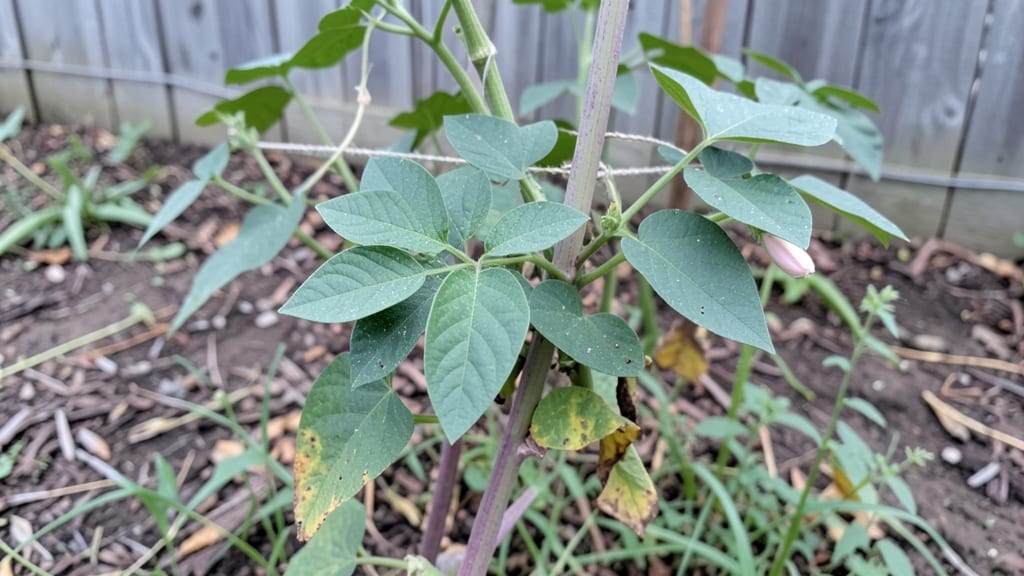
The Chinese beans plant I nurtured from seed to harvest in just 60 sunny days transformed my summer garden forever—fast-growing, flavorful, and impossible to resist. 🌱 These thrive in warmth but also stretch the season in cooler spots with a little care. little planning.
The key? Starting seeds indoors 2-3 weeks before the last frost—or sowing directly when soil hits 60°F—sets you up for a bountiful harvest before the heat peaks.
You’ll need well-draining soil, a sunny spot with at least 6-8 hours of light, and a trellis or sturdy poles if you’re growing yard-long varieties. Mung beans, on the other hand, stay compact and bushy, perfect for small spaces or containers.
The real magic happens when you pair them with complementary plants like marigolds (to deter pests) or radishes (to loosen soil)—a combo that keeps both crops happy and productive.
By day 60, you’ll be snipping tender pods straight from the vine, their crisp texture and nutty flavor making every bite worth the wait. The plants keep producing for weeks if you stay on top of watering (keep soil moist but not soggy) and harvest regularly.
And here’s the best part: these beans are so versatile you’ll wonder why you didn’t grow them sooner.
Whether you’re in a hot southern climate or a mild coastal zone, this guide adapts to your growing conditions. Let’s get those seeds in the ground—or in pots—so you can enjoy fresh-picked beans all summer long.
📚 In This Guide
- What you need
- Instructions
- Tips and common mistakes
- Wrapping up and next steps
What you need
- ● Seeds: 20–50 Phaseolus vulgaris (Chinese long bean variety) seeds (organic, non-GMO preferred).
- ● Soil: 1–2 bags of well-draining potting mix (or garden soil amended with compost).
- ○ Optional: Perlite or vermiculite (1 part per 4 parts soil) for aeration.
- ● Containers or Garden Space: For containers: 5-gallon pots (1 per 2–3 plants) with drainage holes.
- ● For garden beds: 18–24 inches of row spacing, 6–8 inches between plants.
- ● Fertilizer: Balanced 10-10-10 fertilizer (1 tbsp per plant at planting).
- ○ Optional: Compost tea or fish emulsion (for organic boosts).
- ● Watering Supplies: Watering can or hose with gentle spray nozzle (avoid soaking seeds).
- ● Mulch (straw or shredded leaves) to retain moisture.
- ● Trellis or Cage: 4–6 ft tall (long beans climb! Use bamboo stakes or netting).
- ● pH Tester: Ideal soil pH: 6.0–7.0 (adjust with lime or sulfur if needed).
- ● Seedling Heat Mat: If starting indoors in cool climates (<50°F/10°C).
- ● Pest Deterrents: Neem oil or row covers (for aphids or bean beetles).
Step-by-step instructions for growing Chinese green beans
Here's how I grow tender, productive Chinese green beans—ready to harvest in just 60 days.
🌱 Step 1: Prepare the Soil and Plant Seeds
Chinese green beans thrive in well-draining soil with plenty of organic matter. Mix the 3 gallons of compost into the top 6 inches of your planting area until the soil looks dark and crumbly. Avoid working wet soil—it compacts easily and can smother young roots.
Use your fingers to create small 1-inch deep holes, spaced 4 inches apart in rows 18 inches apart. Drop 2-3 seeds into each hole—this ensures at least one strong plant per spot. Cover with soil and gently pat down. Water immediately with 1 gallon of water per row to settle the seeds.
☀️ Step 2: Provide Warmth and Consistent Moisture
Chinese beans need warm soil to germinate—wait until the air temperature stays above 60°F at night. If your spring is cool, use black plastic mulch to warm the soil faster. Keep the planting area moist but not soggy; water every 2-3 days until seedlings emerge.
You'll see tiny sprouts in 7-10 days. Once they appear, reduce watering to 1 inch per week—let the top inch of soil dry slightly between waterings. Overwatering now causes rot before roots establish. Thin seedlings to 3 inches apart when they're 2 inches tall, keeping the strongest plant per hole.
💧 Step 3: Support Growth and Encourage Bushiness
When plants reach 6 inches tall, add 1 tablespoon of balanced 10-10-10 fertilizer around each plant, keeping it 2 inches away from stems. Water deeply after fertilizing to help nutrients reach roots. Chinese beans grow fast—expect 1-inch-long pods in just 2 weeks after flowering.
If your plants sprawl, install 5-foot-tall stakes or wire trellises at planting time. Gently weave vines through supports as they grow. This keeps pods off the ground, reducing rot and making harvests easier. Prune any yellow leaves immediately—they sap energy from productive growth.
✂️ Step 4: Harvest at Peak Tenderness
Harvest begins when pods are 3-5 inches long and still bright green. Pick every 2-3 days to encourage more production. Use clean scissors to snip stems just above the next pod—this prevents damage to the plant. A single plant yields 6-8 pods per week under ideal conditions.
Stop harvesting when pods turn yellow or tough—this signals the end of the harvest window. After the last pick, water deeply and let the plants decompose in place. Their roots add nitrogen to the soil, making next year's planting even easier.
Tips & tricks for perfect Chinese green bean planting
Here's what I've learned after growing these beans for years—small details that make all the difference between a decent harvest and a bountiful one.
Soil Preparation Secret: The 6-inch compost mix is non-negotiable for Chinese beans. I like to add a handful of worm castings to the compost mix—it gives the plants a gentle boost of nutrients right from the start. If your soil is sandy, mix in an extra gallon of compost to help retain moisture. The goal is that dark, crumbly texture that holds water but drains well.
Planting Precision: Those 1-inch deep holes might seem shallow, but planting too deep can cause the seeds to rot before germinating. I use my finger to make the holes just deep enough to cover the seeds with about ½ inch of soil. For the 4-inch spacing between plants, I use a small stick as a spacer—it's more consistent than eyeballing it.
Warmth Strategy: The 60°F nighttime temperature is your magic number for germination. If you're in doubt about your local forecast, use a soil thermometer to check in the evening. I've found that black plastic mulch can raise soil temperatures by 5-10°F—it's worth the small investment if your spring is cool. Just remove it once plants emerge to prevent overheating.
Harvest Timing: The 3-5 inch pod size window is crucial for tender beans. I harvest mine when they're about 4 inches long—this gives you that perfect balance of crispness and flavor. Use a small notepad to track your harvest dates; you'll notice a pattern in how quickly the plants produce after each picking. The first flush might be smaller, but subsequent harvests become more abundant.
Pro Tips for Chinese Beans Plant
- Here's what I've learned after growing these beans for years—small details that make all the difference between a decent harvest and a bountiful one.
- Soil Preparation Secret: The 6-inch compost mix is non-negotiable for Chinese beans.
- Planting Precision: Those 1-inch deep holes might seem shallow, but planting too deep can cause the seeds to rot before germinating.
Frequently asked questions
Got questions about growing your own Chinese green beans? You’re not alone! Here are some of the most common queries—and straightforward answers—to help you cultivate a thriving crop with confidence.
How long does it take for Chinese green beans to grow from seed?
With the right conditions, you’ll see tiny sprouts in just 5–10 days after planting! The beans reach harvest-ready size (about 4–6 inches long) in roughly 50–60 days, depending on your climate and variety. Patience pays off—just imagine the crisp, fresh pods you’ll enjoy!
When is the best time to plant Chinese green beans?
For warm climates, spring (after the last frost) and fall are ideal. In cooler regions, wait until soil temperatures hit 60°F+ (around late April–May). Avoid planting when nights dip below 50°F, as cold can stunt growth. Pro tip: Use black plastic mulch to warm the soil faster!
What do I do if my Chinese green bean plants get pests?
Common culprits include aphids, bean beetles, and spider mites. Start with neem oil or insecticidal soap for mild infestations. For beetles, handpick them early in the morning. Encourage beneficial insects like ladybugs by planting marigolds or dill nearby. Avoid chemical sprays—your beans (and pollinators!) will thank you.
Can I grow Chinese green beans in containers?
Use a 5-gallon pot or larger with drainage holes, and fill it with well-draining potting mix. Plant 2–3 seeds per container (thin to the strongest sprout) and place in full sun (6+ hours daily). Just ensure the container stays moist but not soggy—container plants dry out faster than in-ground ones.
How do I know when Chinese green beans are ready to harvest?
Harvest when pods are 4–6 inches long and bright green with a slight snap when bent. Use scissors or pruners to avoid damaging the plant. Pick every 2–3 days to encourage more production. Warning: Wait too long, and the beans turn woody or produce peas—yikes!
Still stumped? Drop your question in the comments—we’re happy to help you grow a bumper crop!
Wrapping up and next steps
Growing your own Chinese green beans is a rewarding journey that connects you to nature while yielding a fresh, homegrown harvest in just 60 sunny days! 🌱 With the right soil, sunlight, and care, you’ll enjoy crisp, flavorful beans straight from your garden—whether you’re a beginner or a seasoned green thumb.
The key? Stay consistent with watering, watch for pests early, and savor the process.
Ready to take the next step? Start with a small batch of seeds this season, and soon you’ll be sharing your bounty with friends or freezing extras for later. Happy planting—your garden (and taste buds) will thank you! 🌿