
Companion Plants
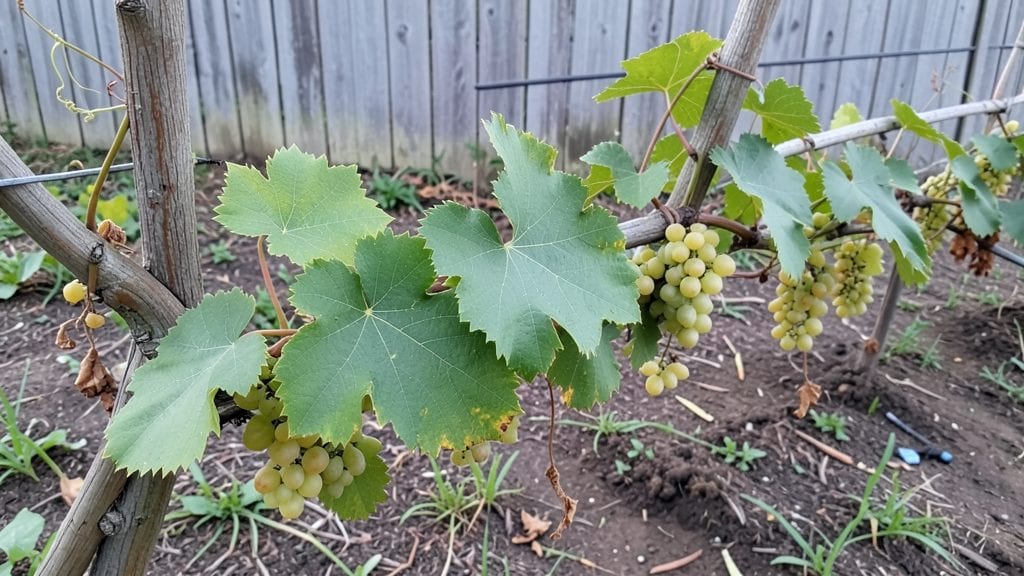
Growing champagne grape plants transforms your yard into a lush, year-round vineyard with minimal effort. 🌿 I planted mine last spring, and now they drape elegantly over my trellis, producing clusters of sweet grapes that taste like sunshine.
The secret lies in their hardiness—they thrive in zones 5-9 without fuss, making them perfect for gardeners who want beauty and bounty without constant pruning.
These vines love full sun but tolerate partial shade, and they’re not picky about soil as long as it drains well. Plant them in early spring after the last frost, spacing them 6-8 feet apart along a sturdy trellis.
The first year focuses on establishing roots, so keep watering consistent but not soggy—think deep soaks every 1-2 weeks once established. A balanced fertilizer in spring kickstarts growth, and you’ll see vigorous new shoots by summer.
By late summer, you’ll harvest grapes that burst with flavor, ideal for fresh eating or fermenting. The real magic? These vines stay green even in winter, offering year-round interest. Pruning is simple: just trim back in late winter to shape the plant and remove dead wood.
With just a little care, you’ll have a vineyard-worthy display that keeps giving season after season.
Whether you’re in a warm climate or a cooler zone, champagne grapes adapt beautifully. They’re also deer-resistant, making them a low-maintenance star for any garden. Ready to grow your own vineyard? Let’s get those plants in the ground!
📚 In This Guide
- What you need
- Instructions
- Tips and common mistakes
- Wrapping up and next steps
What you need
- ● Champagne grape plants (Vitis vinifera 'Champagne') – 1-3 healthy vines (bare-root or potted, depending on availability).
- ● Well-draining soil – Mix of 60% topsoil, 30% compost, and 10% perlite/sand (pH 6.0–7.0).
- ● Sunlight access – A south-facing wall, trellis, or pergola (minimum 6–8 hours of direct sunlight daily).
- ● Support structure – Trellis, arbor, or sturdy fence (at least 8–10 feet tall for optimal growth).
- ● Mulch – Wood chips or straw (2–3 inches thick) to retain moisture and suppress weeds.
- ● Garden gloves – Heavy-duty for pruning and handling vines.
- ● Pruning shears – Bypass-style, sharp, and sterilized (for minimal pruning).
- ● Trowel & shovel – For planting and soil prep.
- ● Watering can or hose with a gentle spray nozzle – Drip irrigation recommended for consistency.
- ○ pH testing kit – Optional but helpful for monitoring soil health.
- ● USDA Hardiness Zones 5–9 – Champagne grapes thrive in mild to warm climates (can tolerate brief frosts).
- ● Winter protection – In colder zones (Zone 5), use burlap wraps or frost cloth for young vines.
- ● Patience! – Vines take 2–3 years to establish and produce grapes.
Instructions for growing Champagne grape plants year-round
Here's how to cultivate these elegant vines with just a little seasonal care.
🌱 Step 1: Choose the Right Location and Plant Your Vines
Champagne grapes thrive in full sun (at least 6-8 hours daily) and well-draining soil. I always plant mine against a sturdy trellis or fence—these vines grow aggressively and need support to climb. Dig a hole twice as wide as the root ball but only as deep, then loosen the soil around it to encourage root spread.
Place the plant so the top of the root ball sits 1-2 inches below soil level. This prevents the graft union from being buried too deep, which can cause rot. Backfill with native soil and water deeply to settle everything. I like to add a 2-inch layer of mulch around the base (but not touching the stem) to retain moisture and suppress weeds.
☀️ Step 2: Provide Seasonal Support and Pruning
In spring, as new growth appears, gently weave the main stems onto the trellis. Champagne grapes grow fast, so I tie them loosely with soft plant ties—tight knots can girdle the stems as they thicken. Prune only to remove dead or crossing branches; these vines handle minimal intervention beautifully.
By late summer, you'll see clusters forming. I let them ripen fully on the vine—the sweeter they get, the more champagne-like their flavor. If frost threatens, cover tender clusters with frost cloth or bring potted vines indoors until danger passes.
✂️ Step 3: Winter Care for Year-Round Growth
Champagne grapes are semi-hardy but need protection in cold climates. In fall, cut back any dead or weak canes to 1/3 of their length. Wrap the remaining stems in burlap or use a grapevine sleeve to insulate them. I also mound extra soil or mulch around the base for added warmth.
If you're growing in containers, move them to a sheltered spot or garage where temperatures stay above 20°F. Even a few hours of sub-freezing temps can damage the canes. In spring, remove the protection once new buds swell—this signals the plant is ready to grow again.
💧 Step 4: Water and Fertilize Strategically
Water deeply once weekly during the growing season, aiming for 1-2 inches of moisture per week. Champagne grapes hate soggy roots, so always let the top 2 inches of soil dry out between waterings. I water at the base in the morning to prevent fungal issues.
Feed lightly in early spring with a balanced fertilizer (10-10-10), then switch to a low-nitrogen, high-potassium blend (like 5-10-10) when flowers appear. Too much nitrogen encourages leafy growth at the expense of fruit. I skip fertilizer in fall to let the plant harden off for winter.
🌿 Step 5: Harvest and Enjoy Your Year-Round Vines
Pick grapes when they're fully colored and slightly soft to the touch—usually late summer to early fall. Champagne grapes are best eaten fresh, but you can also freeze them for winter use. I harvest clusters carefully to avoid damaging the stems, which helps the vine recover quickly for next year's growth.
After harvest, prune lightly to shape the vine for winter. Remove any suckers growing below the graft union—these drain energy from the main plant. With minimal pruning, your Champagne grape will reward you with elegant vines and sweet fruit for years to come.
Tips & tricks for perfect Champagne grape plants
These secrets will help you grow lush, productive Champagne grape vines that thrive year after year with minimal fuss.
The Sunlight Secret: Those 6-8 hours of daily sun are non-negotiable—Champagne grapes won't ripen properly with less. I've seen them struggle in partial shade, producing small, tart berries instead of the sweet, champagne-flavored grapes we want. If your yard gets less than 6 hours, consider containers that you can move to sunnier spots during the day.
Root Ball Placement: That 1-2 inch depth for the root ball isn't just about aesthetics—it's about protecting the graft union. When planted too deep, the graft can rot, and the vine may produce weak growth or no fruit. Think of it like planting a tree: the flare at the base should be visible above soil level, just like the trunk of a mature tree.
Winter Protection: The 20°F threshold is critical for container-grown vines. I've learned this the hard way—once, I left a container vine out during a 15°F night, and it lost all its canes. For in-ground plants, the extra mulch and soil mound act like a blanket, but containers need that extra shelter. A simple garage or unheated shed works perfectly for the winter months.
Watering Wisdom: That 1-2 inches of moisture weekly guideline is perfect for most climates, but here's the trick: check the top 2 inches of soil between waterings. Stick your finger in—if it feels dry, it's time to water. Overwatering is the #1 killer of grape vines, causing root rot that's nearly impossible to fix. Morning watering prevents fungal issues by letting foliage dry during the day.
Pro Tips for Champagne Grape Plants
- These secrets will help you grow lush, productive Champagne grape vines that thrive year after year with minimal fuss.
- The Sunlight Secret: Those 6-8 hours of daily sun are non-negotiable—Champagne grapes won't ripen properly with less.
- Root Ball Placement: That 1-2 inch depth for the root ball isn't just about aesthetics—it's about protecting the graft union.
Frequently asked questions
Got questions about growing champagne grape plants? You’re not alone!
Here are answers to the most common queries—from pruning to pests and beyond.
How often should I prune champagne grape plants?
Prune once a year, ideally in late winter or early spring before new growth begins. Focus on removing dead, diseased, or crossing branches to improve airflow. These vines thrive with minimal pruning—just trim back overgrowth to maintain shape and encourage fruit production. Pro tip: Use sharp, clean shears to avoid spreading disease.
How long does it take for champagne grape plants to bear fruit?
With proper care, champagne grape plants (like Vitis vinifera varieties) typically bear fruit within 2–3 years of planting. Patience is key—young vines prioritize root and vine growth before focusing on grapes. Ensure full sun, well-draining soil, and consistent watering to speed up the process. Pro tip: Mulch around the base to retain moisture and warmth.
What pests or diseases commonly affect champagne grape plants?
Watch for aphids, spider mites, and Japanese beetles, which suck sap and weaken vines. Fungal diseases like powdery mildew or black rot thrive in humid conditions. Troubleshoot: Spray neem oil for pests and ensure good airflow to prevent fungi. Remove infected leaves promptly.
Can I grow champagne grapes in containers?
Yes! Use a large container (at least 15–20 gallons) with drainage holes and a well-balining potting mix. Choose a compact variety like ‘Champagne’ muscadine for smaller spaces. Move containers indoors or to a garage during winter in cold climates. Pro tip: Rotate the pot occasionally for even sunlight exposure.
What companion plants pair well with champagne grape vines?
Plant herbs like basil or thyme nearby to repel pests naturally. Marigolds deter nematodes, while nasturtiums act as trap crops for aphids. Avoid competitive plants like corn or deep-rooted trees. Bonus: Lavender’s fragrance can also keep pests at bay!
Still stumped? Drop your question in the comments—we’re happy to help!
Wrapping up and next steps
Growing champagne grape plants is a rewarding way to add beauty, shade, and even a touch of edible charm to your garden with minimal fuss! These versatile vines thrive year-round with just a little care—whether you’re a seasoned gardener or a curious beginner. 🌿
Now that you’re armed with the right tools, tips, and answers, it’s time to roll up your sleeves and get planting! Start small—perhaps with a single vine—and watch as it transforms your space into a lush, thriving oasis. Happy growing! 🌱