
Fertilization
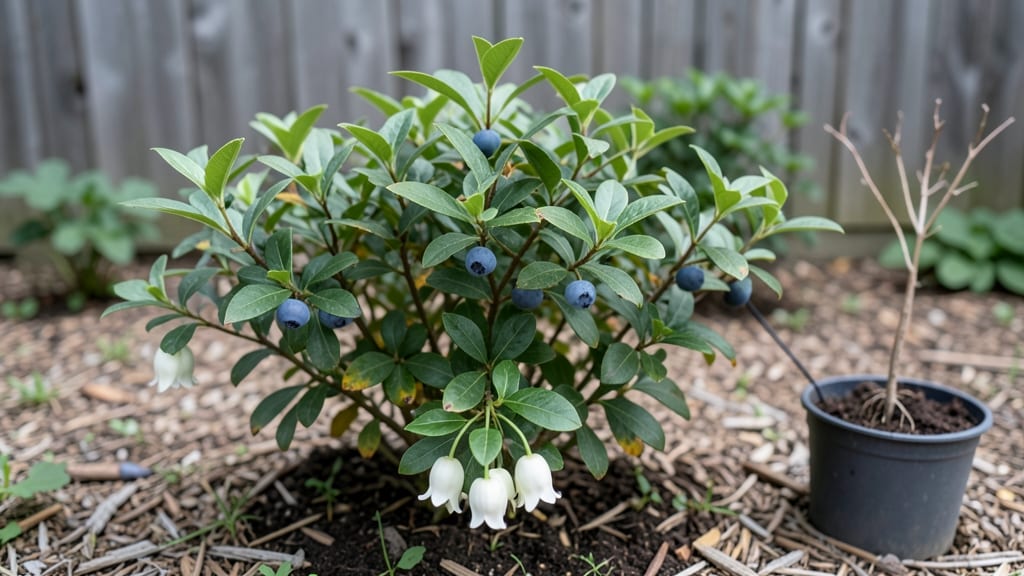
Growing blueberries thrives on precise planting conditions—think of it as creating a tiny, acidic paradise for your 🫐 bushes.
Blueberries are one of the most rewarding fruits to grow—but only if you get their planting conditions just right. Too acidic soil? Stunted growth. Too much shade? Tiny berries. Master these secrets, and you’ll harvest buckets of sweet, juicy blueberries year after year.
From soil pH levels that border on science fiction (4.5-5.5) to sunlight demands that feel like a Goldilocks test, blueberries are picky—but not impossible. Whether you’re planting in USDA zones 3-9 or squeezing bushes into containers, the right setup makes all the difference.
Here’s how to nail the basics: soil prep, spacing tricks, and seasonal timing that turns your backyard into a blueberry bonanza.


Soil pH and nutrient requirements for blueberry bushes
Blueberries are famously fussy about their soil—but for good reason! These acid-loving shrubs thrive only in pH 4.5-5.5 conditions. Anything higher, and they’ll struggle to absorb iron and phosphorus, leading to yellow leaves and poor fruit production.
The good news? With the right amendments, even alkaline soil can be transformed into a blueberry paradise.
Beyond pH, blueberries need a balanced diet of nitrogen, phosphorus, and potassium (NPK). Too much nitrogen? Lush foliage but few berries. Too little phosphorus? Weak roots and stunted growth. Let’s break down exactly what your blueberries crave—and how to give it to them.
🌱 summary table
| Condition | Specification | Notes |
|---|---|---|
| Soil pH | 4.5–5.5 | Test with pH meter or strips; adjust annually |
| Nitrogen (N) | High in spring | Promotes leafy growth; use acidic fertilizer (e.g., 10-10-10) |
| Phosphorus (P) | Moderate year-round | Supports root development; bone meal or rock phosphate works |
| Potassium (K) | Increase in summer | Boosts fruit quality; use wood ash (sparingly) or greensand |
| Organic Matter | 30%+ | Peat moss, pine bark, or composted leaves; avoid fresh sawdust |
| Drainage | Well-draining | Raise beds if clay soil; add perlite or sand if needed |
First things first: test your soil’s pH before planting. Grab a digital pH meter (more accurate than strips) or send a sample to your local cooperative extension office. If your soil tests above 5.5, don’t panic—you can lower the pH with sulfur or peat moss.
For every 1 point below 6.0, apply 1 lb of elemental sulfur per 100 sq ft and mix it into the top 6–12 inches of soil.
Organic gardeners swear by peat moss or pine bark fines to acidify soil naturally. Mix 2–3 inches into the planting hole, and top-dress annually with composted pine needles or cottonseed meal (a slow-release nitrogen source).
For faster results, use synthetic amendments like Aluminum sulfate (follow package rates carefully—overdoing it can harm roots).
Blueberries also need micronutrients like boron, zinc, and manganese, which are more available in acidic soil. If your bushes show signs of deficiency—yellowing leaves between veins or poor fruit set—apply a chelated micronutrient fertilizer designed for acid-loving plants.
Think of it as a vitamin boost for your blueberries!
When it comes to fertilizing, timing matters. In early spring, feed with a high-nitrogen fertilizer (like 10-10-10) to kickstart growth. Switch to a lower-nitrogen, higher-phosphorus formula (e.g., 5-10-10) in late spring to encourage flowering.
In summer, a potassium-rich fertilizer (like 0-0-50) helps berries ripen properly.
Avoid lime or wood ash—both raise pH and can kill your blueberries. Instead, use composted leaves or well-rotted manure to add organic matter without altering pH. For container-grown blueberries, repot every 2–3 years with fresh acidic potting mix (look for blends labeled for azaleas or rhododendrons).
Pro tip: Mulch your blueberries with pine straw or shredded leaves to maintain soil acidity and retain moisture. Keep the mulch layer 2–3 inches thick but avoid piling it against the stem to prevent rot.
With the right soil prep, your blueberry bushes will reward you with years of bountiful harvests—and maybe even a few extra berries for your neighbors! 🫐
Optimal sunlight exposure and spacing for maximum yield
Blueberries thrive in full sun—at least 6 to 8 hours daily—but they can tolerate partial shade in hot climates. Too little light leads to small berries and sparse yields, while too much scorching can stress young plants.
I’ve found the sweet spot is morning sun with afternoon shade in zones with intense summer heat.
Proper spacing between bushes is just as critical. Crowded plants compete for nutrients, leading to disease spread and poor airflow. Standard varieties need 4 to 6 feet apart, while dwarf types can live happily 2 to 3 feet apart.
I always arrange them in a grid pattern for easy maintenance and maximum sunlight access.
For container gardening, I’ve had great success with dwarf varieties like ‘Top Hat’ or ‘Peach Sorbet.’ These thrive in 5-gallon pots with 3-4 feet of spacing between plants.
The key is moving pots to follow the sun—morning sun builds energy, while afternoon shade prevents wilting. I always use lightweight, breathable fabric pots to avoid root circling.
When arranging blueberries in your garden, think about windbreaks and companion plants. I plant them near rhubarb or strawberries, which share similar soil needs. Avoid placing them under tall trees or structures that cast deep shade—even partial shade can reduce fruit quality.
If you’re in a hot, dry climate, a 30% shade cloth in peak afternoon sun works wonders.
One mistake I see often is overcrowding for quick harvests. While it might seem efficient, it leads to competing roots and pests thriving in dense foliage. I’ve learned to be patient—giving plants room now means bigger yields later.
For example, my ‘Duke’ blueberries, spaced 5 feet apart, produce 3x more berries than those crammed 2 feet apart.
Finally, always consider your local microclimate. A spot that gets full sun in summer might turn shady in winter. I’ve adjusted my spacing and sunlight strategies by observing how shadows shift throughout the day.
With the right balance, your blueberries will reward you with juicy, plump berries for decades. 🌱☀️