
Pests
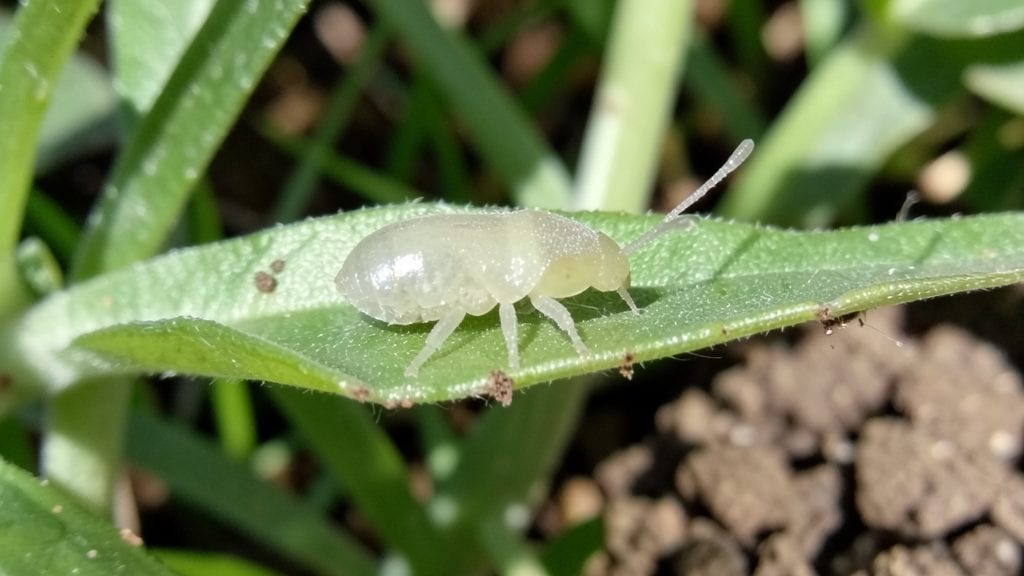
Aphid pictures of plants can save your garden in minutes—no guesswork, just fast action. 🌱 These tiny green, black, or white bugs cluster on new growth like a swarm, and I’ve seen them turn lush tomato leaves into curled, sticky messes in days.
The key is spotting them early, knowing which plant they love, and acting before they spread.
Most gardeners assume all aphids look alike, but their colors and shapes vary. Greenfly on roses? Tiny and clustered. Woolly aphids on fruit trees? Cottony white puffs. Recognizing these differences means you can target treatments faster—like blasting off woolly aphids with water or using insecticidal soap for soft-bodied types.
No more wasting time on the wrong fix.
By the end of this guide, you’ll match aphid pictures to your plants and pick the right removal method in under 5 minutes. Think crisp, healthy leaves instead of sticky, deformed foliage. The damage stops the moment you act—and I’ll show you exactly how.
Works for roses, tomatoes, peppers, and even houseplants. Let’s get those pests identified and gone for good.
Root Causes of Aphid Infestations
Aphids may seem like tiny, harmless nuisances, but their presence on your plants is rarely accidental. Understanding why they strike is the first step to preventing them—and keeping your garden thriving. Below, we break down the scientific triggers behind aphid outbreaks, from plant chemistry to environmental cues.
Aphids are sap-sucking specialists, and they target plants that are already struggling to defend themselves. Here’s why:
- Nutrient Deficiencies 📉 Plants low in nitrogen, phosphorus, or potassium are easier prey. Aphids detect weakened cellular structures and move in for the easy meal. Example: Yellowing leaves (chlorosis) signal stress, making plants more vulnerable.
- Stress from Overwatering or Drought 💧➡️🌵 Both extremes disrupt a plant’s ability to produce secondary metabolites (like tannins and alkaloids), which deter pests. Aphids thrive in plants that can’t mount a chemical defense.
- Disease or Prior Pest Damage 🦠🐜 Plants recovering from fungal infections, viral attacks, or even spider mite bites are aphid magnets. The damaged tissue releases volatile organic compounds (VOCs) that aphids smell from a distance.
💡 Pro Tip: Boost plant resilience by rotating crops, avoiding over-fertilization with synthetic nitrogen, and using compost tea to strengthen natural defenses.
Some plants are aphid buffets because their sap is packed with the nutrients these pests crave. Here’s the science:
- High Sugar Content 🍬 Aphids prefer plants with high soluble sugars in their phloem (the plant’s "veins"). Fast-growing, soft-stemmed plants—like roses, basil, and squash—are prime targets.
- Volatile Compounds That Signal "Easy Meal" 🚨 Plants under mild stress (e.g., from heat or poor soil) emit green leaf volatiles (GLVs), which aphids interpret as a distress call. It’s like a neon sign for them!
- Specific Host Preferences 🎯 Many aphid species are specialized feeders. For example:
- Green peach aphids love roses and fruit trees.
- Melon aphids target cucurbits (melons, cucumbers).
- Woolly aphids adore citrus and camellias.
✨ Key Insight: If your plants are aphid-free but neighbors’ aren’t, it’s likely a host preference issue—not poor care.
Aphids don’t just show up randomly—they’re influenced by temperature, humidity, and even wind patterns. Here’s how:
- Warm, Stable Weather ☀️🌡️ Aphids reproduce asexually in warm conditions (60–85°F), leading to exponential growth. A single aphid can birth hundreds of offspring in weeks if unchecked.
- Low Wind and High Humidity 🌬️💦 Still air and moisture create the perfect aphid paradise. They dislike dry, breezy conditions, which is why they often cluster on undersides of leaves where humidity lingers.
- Ant "Farming" Relationships 🐜🍃 Some ants protect aphids in exchange for their honeydew (a sugary waste product). If you see ants herding aphids, it’s a symbiotic pest alliance—and your plants are the collateral damage.
🔥 Quick Fix: Use blowing fans near plants to disrupt aphid comfort zones, or introduce aphid-eating ladybugs to break the ant-aphid bond.
Even well-intentioned gardening habits can accidentally attract aphids. Here’s how:
- Over-Fertilizing with Nitrogen 💥🌱 Too much nitrogen = soft, sugary growth = aphid buffet. Slow-release, organic fertilizers are safer.
- Planting Non-Native or Hybrid Species 🌎🔄 Some hybrid plants (like certain roses or tomatoes) have reduced natural defenses compared to heirloom varieties.
- Ignoring Beneficial Insects 🐝➡️🚫 Aphids move in when their natural predators—lacewings, hoverflies, and parasitic wasps—are absent. Pesticide use (even "safe" ones) can disrupt this balance.
🎯 Prevention Hack: Plant companion flowers (like dill, fennel, or marigolds) to attract aphid predators before they become a problem.
Aphids don’t just appear—they hitchhike and evolve to dominate. Here’s how:
- Wind and Water Dispersal 🌪️💧 Aphids produce winged offspring when food runs low, allowing them to colonize new plants quickly. Even a gentle breeze can transport them.
- Parthenogenesis (Virgin Births) 👶🔬 Many aphids reproduce without males, cloning themselves in warm weather. This leads to explosive population booms in spring and summer.
- Overwintering Strategies ❄️🐛 Some aphids survive winter as eggs on tree bark or migratory adults, waiting for spring to strike fresh, vulnerable plants.
⏰ Timing Matters: Early spring is peak aphid migration season—monitor new growth closely!
Aphids don’t choose plants at random—they target weaknesses, follow chemical cues, and exploit environmental conditions.
By understanding these triggers, you can starve them out, confuse them, or outsmart them before they become a full-blown infestation. Next up: How to Identify Aphids by Plant Type to tackle the problem head-on.
Quick Fixes for Aphid Infestations
Aphids may be tiny, but their damage can spread fast—leaving your plants sticky, weak, or even dead if left unchecked. The good news? With the right approach, you can eliminate them in hours or days and keep your garden thriving.
Below, we break down targeted solutions based on the root cause of your aphid problem, from organic sprays to cultural fixes. Plus, we’ll share prevention tips to stop future outbreaks before they start.
When to use: Early-stage infestations (fewer than 50 aphids) or delicate plants (like seedlings or flowers). Why it works: No chemicals, no residue—just instant gratification.
- 👨🍳 Grab a spray bottle – Fill it with soapy water (1 tsp mild dish soap per quart of water). Avoid harsh detergents.
- 🔪 Squish or rinse – Either: - Squish them directly with your fingers (gross but effective for small clusters). - Spray aphids until they drop from the plant. Repeat in 3–5 days to catch hatchlings.
- 🌡️ Follow up with water – Rinse the plant with clean water to remove soap residue.
Pro Tip: 💡 Do this early in the morning when aphids are sluggish and easiest to remove.
When to use: 50–200 aphids, or if hand-picking isn’t practical. Why it works: Non-toxic, plant-safe, and disrupts aphids’ life cycle.
| Spray | How to Make It | How to Apply | Frequency |
|---|---|---|---|
| Neem Oil Spray | 1 tbsp neem oil + 1 tsp mild soap + 1 quart water | Spray directly on aphids and undersides of leaves | Every 5–7 days (stops eggs from hatching) |
| Garlic Pepper Spray | 2 crushed garlic cloves + 1 tsp cayenne + 1 quart water (steep 24 hrs) | Spray all plant surfaces, especially where aphids cluster | Every 3–4 days |
| Insecticidal Soap | Store-bought (like Safer® Brand) or DIY (2 tbsp castile soap + 1 quart water) | Spray until leaves glisten—focus on new growth | Every 2–3 days |
Pro Tip: 🌡️ Add a drop of dish soap to any spray to help it stick to aphids’ waxy bodies.
When to use: If aphids keep returning, or you want a chemical-free, sustainable fix. Why it works: Ladybugs, lacewings, and parasitic wasps eat aphids 24/7—no effort from you!
- 🐞 Buy beneficial insects – Purchase ladybugs, lacewing larvae, or parasitic wasps from garden centers.
- 🌿 Release them at dusk – Aphids are less active then, giving predators a better chance to hunt.
- 💦 Provide water – Place a shallow dish with pebbles and water near plants to keep predators hydrated.
Pro Tip: ✨ Plant companion flowers like dill, fennel, or marigolds to attract and retain these helpful bugs.
Stopping aphids before they start saves time and stress. Here’s how:
- 🌱 Keep plants healthy – Aphids love weak, stressed plants.
Ensure yours get: - Enough water (but not soggy soil). - Balanced fertilizer (too much nitrogen = aphid buffet). - Good airflow (crowded plants = aphid hideouts). - 🧹 Clean up debris – Fallen leaves and stems harbor aphid eggs over winter. - 🌿 Use reflective mulch – Aluminum foil or silver mulch confuses aphids and deters them. - 🔍 Inspect new plants – Quarantine store-bought or garden-swapped plants for 2 weeks before introducing them to your garden.
If aphids won’t quit after 2 weeks of treatment, consider:
- Horticultural oil (for severe infestations—spray at night to avoid harming bees).
- Systemic insecticides (like imidacloprid) as a last resort—use only on non-edible plants or follow label instructions carefully.
Final Pro Tip: 🎯 Act fast! Aphids reproduce every 7–10 days, so early action = less work later.
Frequently asked questions about plant pests
Why do aphids cluster on the undersides of leaves instead of the tops?
Aphids prefer the undersides because it’s cooler, more humid, and offers better protection from predators like ladybugs. The waxy coating on their bodies also helps them cling tightly to the leaf surface, making them harder to dislodge. Plus, new growth often emerges from the undersides, which is packed with nutrient-rich sap—aphid heaven!
Can I use vinegar to kill aphids, and how strong should it be?
Yes, but dilute it carefully! A mix of 1 tablespoon white vinegar + 1 quart water + a drop of dish soap works best. Avoid spraying directly on flowers or edible parts, as vinegar can cause leaf burn. For severe infestations, reapply every 3-4 days until they disappear. Test on a small area first!
What’s the fastest way to tell if my plant has aphids before they spread?
Look for sticky residue (honeydew) on leaves or nearby surfaces—it’s like tiny syrup droplets. Check new growth and leaf undersides with a magnifying glass (aphids are 1/16-inch long). If you spot curled or yellowing leaves, aphids are likely the culprit. Act within 48 hours to prevent an outbreak!
Are some plants more resistant to aphids than others?
Plants like rosemary, lavender, and marigolds naturally repel aphids due to their strong scents. Herbs like basil and mint are also less appealing. For vegetables, try heirloom varieties—modern hybrids often lack natural defenses. Companion planting (e.g., garlic near roses) can also deter them!
Why do aphids appear suddenly after rain, and how can I prevent it?
Rain washes away natural predators (like ladybugs) and deposits aphid eggs from nearby plants. To prevent outbreaks, prune affected areas immediately, use reflective mulch (like aluminum foil), and introduce beneficial insects like lacewings. After rain, inspect plants closely and treat with neem oil as a preventive spray.