
Pruning
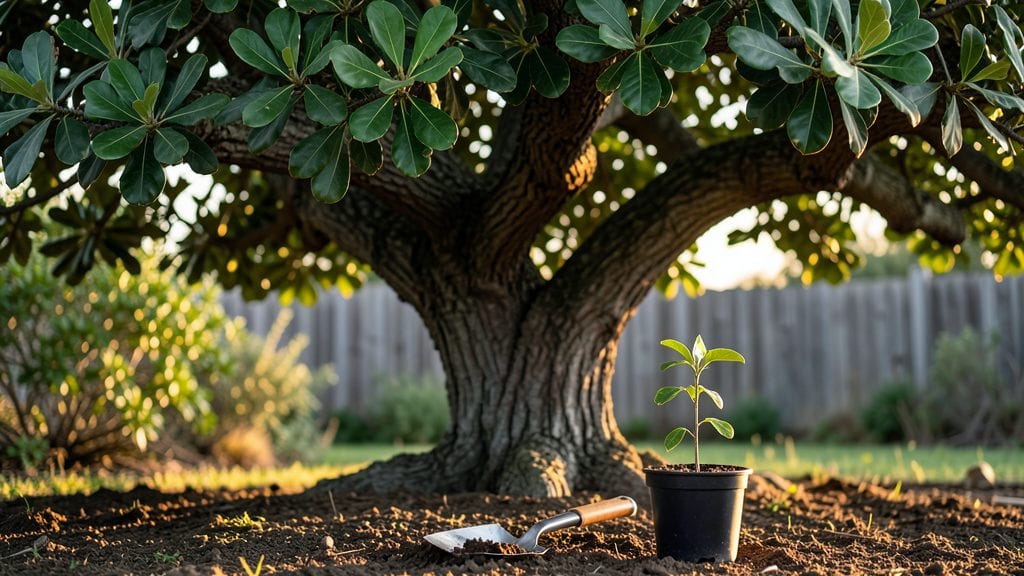
Planting trees in Sonoma County’s coastal climate demands the right species and techniques to thrive. 🌿 I’ve learned that native oaks, manzanitas, and coast live oaks handle our foggy summers and dry winters better than anything else—plus, they support local wildlife.
The secret isn’t just digging a hole; it’s about soil prep, watering smarter, and timing your plantings to avoid summer drought stress.
You’ll need a few key supplies: a native tree (check local nurseries for drought-tolerant varieties), compost to amend heavy clay soil, and a 5-gallon watering can for the first critical weeks.
Sonoma County’s soil is often compacted, so loosen it with a shovel and mix in compost to help roots spread. Avoid planting during peak summer heat—spring or fall gives young trees the best shot at survival.
Once planted, mulch heavily to retain moisture and keep roots cool. Water deeply twice a week for the first year, then taper off as the tree establishes.
The payoff? A lush, fire-resistant landscape that actually thrives in our Mediterranean climate. You’ll see new growth within months, and your tree will outlast any non-native choices.
Pro tip: Check with the Sonoma County Ag + Open Space District for rebates on native trees—they even offer free planting workshops. This isn’t just gardening; it’s building a resilient future for your property and the ecosystem. Ready to get started?
📚 In This Guide
- What you need
- Instructions
- Tips and common mistakes
- Wrapping up and next steps
What you need
- ● Native tree seedlings or saplings: Choose from California native species like Coast Live Oak, Toyon, or California Sycamore (1–3 plants, depending on space). Pro tip: 💡 Buy from local nurseries (e.g., blank">Sonoma Coast Nursery) to ensure climate suitability.
- ● High-quality soil: 50–100 lbs of well-draining, organic-rich soil mix (amend with compost if your soil is heavy clay, common in Sonoma’s coastal areas).
- ● Mulch: 2–3 cubic feet of wood chips or straw mulch (keep 6 inches away from the trunk to prevent rot).
- ● Watering supplies: 5-gallon watering can or garden hose with a soaker hose attachment.
- ● Water storage (e.g., 5–10 gallon container) for initial watering.
- ● Shovel: A round-point shovel (for digging holes) or a digging bar for tougher soil.
- ● Garden gloves: Heavy-duty, waterproof gloves to protect your hands.
- ● Pruners: Bypass pruners (for trimming roots or shaping young trees).
- ● Measuring tape: To ensure proper planting depth (hole should be 2–3x wider than the root ball but no deeper).
- ○ Stakes & ties (optional): 2–4 biodegradable stakes and soft ties if planting in windy coastal areas.
- ● Site preparation: Clear weeds/grass in a 6-foot radius around the planting area.
- ● Water access: Ensure a reliable water source nearby for the first 2–3 weeks (coastal fog reduces rainfall).
- ● Permits (if applicable): Check with blank">CDFA or your local Sonoma County Water Agency for large-scale plantings.
- ● Weather check: Plant on a cool, cloudy day (avoid wind or extreme heat).
- ● Mycorrhizal fungi: A powder to boost root growth in native soils.
- ● Tree guard: Metal or plastic tree collars to protect young trunks from pests.
- ● Drip irrigation kit: For automated watering in dry spells.
- ● Soil pH test kit: Sonoma’s coastal soils can be acidic—adjust with lime if needed (ideal pH: 6.0–7.0).
Step-by-Step instructions for planting trees in Sonoma County’s coastal climate
Sonoma County’s coastal microclimates demand smart planting—here’s how to thrive with local conditions.
🌱 Step 1: Choose the Right Tree for Your Microclimate
Sonoma’s coastal zones (like the Russian River Valley) get mild, wet winters and cool, foggy summers, while inland areas near Santa Rosa experience hotter dry spells. Native trees like coast live oak or tanoak handle moisture and wind, while drought-tolerant toyon or California sycamore suit drier inland spots. Check the USDA Plant Hardiness Zone Map—most of Sonoma falls in Zones 8b-9a—and pick species labeled for your specific elevation.
I always verify a tree’s mature size against available space. A coast redwood can reach 100+ feet—plant it only if you have acreage. For urban yards, California bay laurel (mature height: 20-30 feet) fits perfectly. Dig a hole twice as wide as the root ball but no deeper—Sonoma’s clay-heavy soil drains poorly, so proper depth prevents root suffocation.
🪴 Step 2: Prepare the Planting Site for Local Soil Conditions
Sonoma’s native soil is a mix of clay and loam, which compacts easily. Before planting, loosen the soil to 12-18 inches deep with a broadfork or tiller—this mimics natural aeration from roots and rain. Amend heavy clay with 3-4 inches of compost (work it into the top 6 inches only—deep mixing disrupts native microbes). Avoid synthetic fertilizers; they encourage weak root growth in our unpredictable coastal rains.
For wind-prone coastal areas, create a windbreak trench: dig a 12-inch-deep, 6-inch-wide trench 2 feet from the planting hole and fill it with gravel. This redirects wind without blocking airflow to the roots. Mulch the base with 3 inches of wood chips, keeping it 6 inches away from the trunk to prevent rot. Water deeply before planting to settle the soil.
☀️ Step 3: Plant at the Right Time and Depth
In Sonoma, late fall (November) or early spring (March) are ideal—cooler temps reduce transplant shock. Dig a hole twice as wide as the root ball but no deeper; the top of the root ball should sit 1-2 inches above ground level (settling happens over time). Gently tease apart any circling roots with your fingers—this encourages outward growth, critical for our clay-heavy soil.
Place the tree in the hole, backfill with native soil (no amendments here—you’ve already prepped the site), and tamp lightly every 6 inches to eliminate air pockets. Water immediately with 5 gallons to help soil settle. Stake only if the tree is taller than 6 feet or in a windy location; use two stakes at a 45-degree angle and a soft tree tie (never wire—it cuts into bark as the tree grows).
💧 Step 4: Water and Mulch for Coastal Resilience
Sonoma’s coastal fog keeps humidity high, but summer droughts stress young trees. Water deeply once a week for the first year, providing 10-15 gallons per tree (soak the soil to 12 inches deep). Use a soaker hose or drip irrigation to avoid wetting foliage—fungal diseases like Phytophthora thrive in our damp climate. Reduce watering after the first year as roots establish, but never let soil dry out completely.
Replenish the 3-inch wood chip mulch annually, pulling it back to maintain the 6-inch trunk clearance. This mimics the natural leaf litter that protects roots from temperature swings and retains moisture. In winter, add 2-3 inches of extra mulch to insulate roots from sudden cold snaps—common in coastal lowlands.
✂️ Step 5: Prune and Protect for Long-Term Health
Prune only to remove dead, crossing, or diseased branches in the first year—never "thin" for aesthetics. Use sterilized pruners and make cuts just outside the branch collar to prevent infection. Sonoma’s coastal humidity speeds up wound healing, so prune on a dry, sunny day to reduce fungal risk. Avoid heavy pruning until the tree is 3-5 years old—our native oaks and redwoods grow slowly and need all their energy for root development.
Install a tree guard (a 4-foot-tall wire cylinder) if deer or rabbits are present—Sonoma’s rural areas see heavy browsing. For urban plantings, check local regulations before installing fences; some cities require permeable barriers to preserve native wildlife corridors. Monitor for aphids or scale insects, common in our coastal climate, and treat with neem oil if needed—chemical pesticides harm beneficial insects like ladybugs.
Tips & tricks for perfect tree planting in Sonoma County’s coastal climate
Sonoma’s unique microclimates can make or break your tree’s success—here’s how to give your new planting the best shot at thriving.
Microclimate Matching: Pay extra attention to elevation when selecting your tree. Coastal areas near the Russian River Valley might handle coast live oak, while inland spots near Santa Rosa could be better suited for California sycamore. I always check the USDA Plant Hardiness Zone Map for my specific location—Sonoma’s zones range from 8b to 9a, and even small elevation changes can impact success. The wrong tree in the wrong spot leads to stunted growth or worse.
Soil Preparation Secret: That 12-18 inch deep soil loosening in Step 2 isn't just about aeration—it mimics how roots naturally break up compacted soil over time. For clay-heavy areas, I mix in 3-4 inches of compost only in the top 6 inches—deep mixing disrupts the beneficial microbes that help roots establish. And here's what nobody tells you: if your soil is extremely compacted, rent a rototiller for 30 minutes before planting. The extra effort prevents root suffocation that kills young trees in our heavy clay.
Wind Protection Hack: The 12-inch-deep windbreak trench with gravel might seem like overkill, but I've seen coastal winds snap young trees in half. For urban plantings where trenching isn't practical, install your tree guard before planting and leave it for at least 2 years. The extra protection gives roots time to anchor deeply before facing Sonoma's notorious wind events. Pro tip: Use two stakes at 45-degree angles—this creates a more stable triangle than parallel stakes.
Watering Wisdom: Those 10-15 gallons per week for the first year might sound like a lot, but our coastal fog doesn't mean the soil stays moist. I test moisture by sticking my finger 6 inches deep—if it feels dry, water again. For new plantings, I set up a drip irrigation system on a timer for 20 minutes every other day during summer droughts. This consistent moisture prevents the shock that kills more young trees than anything else in Sonoma.
Pro Tips for Tree Planting Sonoma County Ca
- Sonoma’s unique microclimates can make or break your tree’s success—here’s how to give your new planting the best shot at thriving.
- Microclimate Matching: Pay extra attention to elevation when selecting your tree.
- Soil Preparation Secret: That 12-18 inch deep soil loosening in Step 2 isn't just about aeration—it mimics how roots naturally break up compacted soil over time.
Frequently asked questions
Got questions about planting trees in Sonoma County’s unique coastal climate? You’re not alone! Here are answers to the most common concerns—from timing to troubleshooting—so you can plant with confidence.
When is the best time to plant trees in Sonoma County?
For coastal Sonoma County, aim for late fall (November–December) or early spring (February–March). These months offer cooler temps, minimal drought stress, and ample rain to help roots establish. Avoid summer—heat and dry conditions can shock young trees. Pro tip: Bare-root trees planted in winter thrive best!
What if my tree isn’t thriving after planting?
Check these first:
- Watering: New trees need 1–2 inches of water weekly (more in summer). Mulch retains moisture—keep it 2–4 inches deep but avoid piling against the trunk.
- Soil: Compacted or clay-heavy soil? Amend with compost or organic matter before planting.
- Pests: Yellowing leaves or holes? Inspect for aphids, scale, or root rot. Contact Sonoma County Ag + Natural Resources for localized advice.
Can I plant trees during Sonoma County’s rainy season?
Yes! Winter planting (Dec–Feb) is ideal—rain helps roots spread, but avoid waterlogged soil. Choose native species like coast live oak or toyon, which handle wet winters. Tip: Plant on a slightly raised mound to prevent root rot in heavy rains.
Are there alternatives to traditional tree planting?
Consider:
- Guided Reforestation: Partner with Sonoma Land Trust or CalFire for native species planting on public/protected lands.
- Container-Grown Trees: Less invasive than bare-root; plant anytime (even summer) with extra watering.
- Seedlings vs. Saplings: Saplings (3–5 ft tall) establish faster but cost more. Seedlings take longer but support biodiversity.
Do I need a permit to plant trees in Sonoma County?
Mostly no, but check local rules:
- Private Property: No permit needed for residential tree planting.
- Public Land/Right-of-Way: Contact Sonoma County Public Works—some areas restrict planting near roads or utilities.
- Native Species Incentives: Some cities (e.g., Santa Rosa) offer rebates for drought-resistant trees—always a win!
Wrapping up and next steps
Planting trees in Sonoma County, CA, is more than just a green initiative—it’s a powerful way to adapt to coastal challenges like drought, wind, and erosion while beautifying your landscape. Whether you’re a homeowner, farmer, or community leader, every tree you plant helps build resilience for future generations. 🌱
Ready to take action? Start small—plant one native tree today—and watch how it transforms your space and the environment. Need guidance? Check out local Sonoma County resources or join a community planting event to connect with experts and fellow eco-warriors!