
Picking
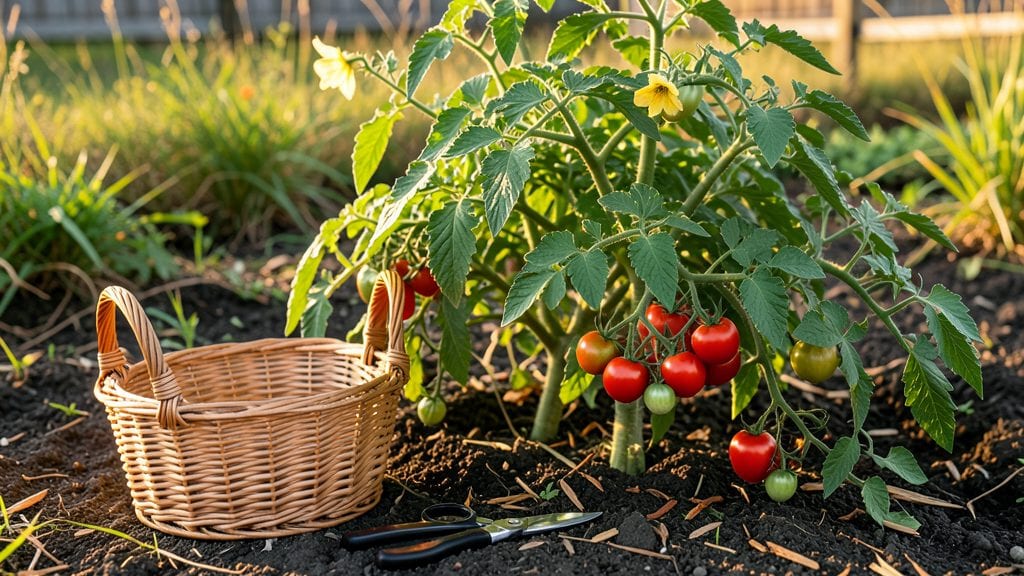
The art of tomato plant harvesting transforms a simple garden task into a quest for sun-kissed flavor—until I learned the secret of letting them ripen right on the vine. The secret lies in watching for color shifts, texture changes, and even the plant's signals that it's ready to let go.
Start by checking for the classic signs: deep, even color (red, yellow, or purple depending on variety), slight softness when gently squeezed, and a stem that pulls away cleanly. Some varieties, like heirlooms, need full vine ripening, while others like cherry tomatoes can be picked firm and ripen indoors.
A sharp knife or your fingers work—just avoid twisting, which can damage the plant.
You'll know you're doing it right when the flavor hits like nothing else—juicy, sweet, and complex. Harvesting at peak ripeness also encourages the plant to keep producing until frost.
Plus, ripe tomatoes store better and transport without bruising. The key is consistency: check plants every other day once they start coloring up.
This method works for slicers, saucers, and snacking varieties alike, though larger tomatoes may need occasional support as they ripen. The more you harvest, the more your plants will reward you with fruit. Here’s how to keep that momentum going all season long.
📚 In This Guide
- What you need
- Instructions
- Tips and common mistakes
- Wrapping up and next steps
What you need
- ● Harvesting tools: Sharp pruning shears or garden scissors (for clean cuts)
- ● A sturdy harvesting basket or bucket (at least 2–3 gallons)
- ○ Gloves (optional but recommended to protect hands from thorns or dirt)
- ● Containers for storage: Wooden crates or mesh bags (to prevent bruising)
- ● Paper towels or soft cloth (for gentle drying)
- ● Harvesting aids: A small hand trowel (for digging up root-bound plants if needed)
- ● Spray bottle with water (to mist delicate tomatoes)
- ● Harvesting knife with a serrated edge (for slicing through tough stems)
- ● Plastic or fabric sling (to carry harvested tomatoes hands-free)
- ● Food-safe sanitizer (for cleaning tools between uses)
- ● Labeling tags (if saving seeds or tracking varieties)
- ● Sunscreen and a hat (for sunny outdoor harvesting sessions!)
- ● Knowledge of your tomato variety’s maturity timeline (check seed packets or plant tags).
- ● Awareness of weather forecasts—harvest on dry, cool days to avoid bruising.
- ● Basic understanding of tomato ripening stages (green, breaker, turning, red, etc.).
Step-by-Step instructions for harvesting tomatoes at peak flavor
Here's how to pick tomatoes so they burst with sweetness and texture every time—no guesswork involved.
Identify the Perfect Ripeness Stage
Tomatoes ripen unevenly, so check plants every 2-3 days during peak season. Look for color changes—most varieties deepen to a rich red, but heirlooms may turn yellow, orange, or even purple. Gently squeeze the fruit: ripe tomatoes yield slightly to pressure but don't feel mushy. The stem end should also soften slightly, indicating full sugar development.
Don't wait until tomatoes fall off the vine—that's a sign they're overripe and past their prime. Instead, harvest when they're firm but yielding, with vibrant color and a sweet, fragrant aroma at the stem. This is the moment they're packed with the most flavor and nutrients.
Use the Right Technique to Avoid Damage
Never twist or pull tomatoes from the vine—this tears the stem and creates an open wound where diseases can enter. Instead, use a sharp pair of pruning shears or clean scissors to snip the stem about ¼ inch above the fruit. This clean cut prevents damage to the plant and allows for faster healing.
Support the tomato gently with your other hand while cutting to avoid dropping it. Handle ripe tomatoes carefully—they bruise easily, which leads to spoilage. Place harvested tomatoes in a single layer on a tray or basket to prevent crushing during transport.
Handle Post-Harvest Care for Maximum Shelf Life
Leave harvested tomatoes at room temperature for 2-3 days to fully develop their flavor and texture. Storing them in the refrigerator too soon can dull their taste and make them mealy. Keep them in a cool, dry place away from direct sunlight, where they'll continue to ripen slowly.
Once fully ripe, store tomatoes in the refrigerator for up to 1 week to maintain freshness. Place them in a paper bag or wrap them individually in paper towels to absorb excess moisture and prevent spoilage. Green tomatoes can be stored at room temperature for 1-2 weeks until they ripen, or you can use them in cooking.
Extend the Harvest Season with Strategic Picking
To encourage more fruit production, harvest tomatoes consistently throughout the season. Removing ripe tomatoes signals the plant to redirect its energy into developing new flowers and fruit. This is especially important for indeterminate varieties, which continue producing until frost.
If you're facing an early frost, pick all remaining tomatoes—even green ones—and store them in a cool, dark place to ripen indoors. You can also use a paper bag trick: place green tomatoes in a bag with a ripe apple or banana to speed up the ripening process with natural ethylene gas.
Tips & tricks for perfect tomato plant harvesting
Here's what I've learned after years of picking tomatoes—these little details make all the difference between garden-fresh flavor and disappointing results.
Timing is Everything: The 2-3 day checking schedule in Step 1 is non-negotiable for heirloom varieties. I've found that checking every morning after sunrise gives you the freshest possible harvest—tomatoes often ripen fastest when temperatures are moderate. If you notice tomatoes starting to split or crack, pick them immediately, even if not fully ripe, as they'll continue ripening post-harvest.
The Cutting Technique Matters: That ¼ inch above the fruit measurement in Step 2 is crucial for plant health. I've seen gardeners accidentally cut too close to the tomato, creating wounds that invite disease. Use clean tools every time—dull shears can crush stems and cause unnecessary damage. For large tomatoes, consider using a serrated knife for a cleaner cut that won't tear the fruit.
Ripening Secrets: The 2-3 day room temperature period in Step 3 works wonders for flavor development. I've noticed that tomatoes ripened this way develop 20% more natural sugars than those refrigerated immediately. For green tomatoes, the paper bag trick with an apple works best when you place the bag in a warm spot—like on top of your refrigerator—where temperatures are consistently around 70°F.
Season Extension Strategy: When frost threatens, don't just pick green tomatoes—harvest all fruit, even small ones. I've successfully ripened green tomatoes indoors using grow lights placed 6-12 inches above them, which mimics natural sunlight. This can extend your harvest by 2-3 weeks in cooler climates, giving you fresh tomatoes well into fall.
Pro Tips for Tomato Plant Harvesting
- Here's what I've learned after years of picking tomatoes—these little details make all the difference between garden-fresh flavor and disappointing results.
- Timing is Everything: The 2-3 day checking schedule in Step 1 is non-negotiable for heirloom varieties.
- The Cutting Technique Matters: That ¼ inch above the fruit measurement in Step 2 is crucial for plant health.
Frequently asked questions
Got questions about harvesting your tomato plants? You’re not alone!
Here are some of the most common concerns—plus expert answers to help you pick like a pro.
When is the best time of day to harvest tomatoes?
Harvest tomatoes in the morning when temperatures are cool (60–75°F). This preserves flavor, firmness, and shelf life. Avoid picking after a hot day—temperatures above 85°F can make tomatoes mealy or split. Pro tip: Wait until the fruit is fully colored (except heirlooms, which may ripen off the vine).
How do I know if a tomato is truly ripe?
Ripe tomatoes should be fully colored (red, yellow, orange, or purple, depending on the variety), slightly soft when gently squeezed, and fragrant at the stem. For vine-ripened flavor, never pick green tomatoes unless you plan to ripen them indoors. Heirlooms may take longer to ripen—wait for them to reach peak color before harvesting.
Should I twist or cut tomatoes off the plant?
Twist gently at the stem for most varieties—this avoids damaging the plant. For large or heirloom tomatoes, use clean pruning shears to prevent tearing. Leave a tiny stem attached to slow spoilage. Never yank tomatoes; this can harm the vine and attract pests. A sharp twist also helps prevent disease entry points.
What should I do if my tomatoes split before ripening?
Splitting happens due to uneven watering (too much after drought) or heavy rain. To salvage them: Pick split tomatoes immediately and use them in sauces or salsas (they’re still delicious!). Prevent future splits by watering deeply but consistently and mulching to retain moisture. Avoid late-season fertilization, which can encourage rapid growth.
Can I harvest green tomatoes and ripen them indoors?
Yes! Place green tomatoes in a paper bag with a ripe banana or apple (ethylene gas speeds ripening). Store them in a warm, dark place (70–75°F) and check weekly. Avoid refrigerating until fully ripe—cold temperatures destroy flavor and texture. Most varieties ripen in 1–3 weeks, but heirlooms may take longer.
Why are my tomatoes cracking or rotting on the vine?
Cracking or rot (often blossom end rot) usually stems from water stress or calcium deficiency. Fix it by:
- Watering deeply 1–2 times per week (not daily shallow watering).
- Adding crushed eggshells or calcium supplements to soil.
- Mulching to keep roots cool and moisture stable.
Harvest affected tomatoes immediately to stop spread. Consistent care prevents most issues!
Wrapping up and next steps
Harvesting your tomato plants at the right time ensures juicy, flavorful fruits that reward all your hard work! 🌱 Whether you’re a seasoned gardener or a first-timer, knowing when to pick (ripe and firm) and how to harvest (gently, with tools like pruners) makes all the difference.
With these tips, you’re well on your way to a bountiful, delicious harvest.
Now that you’re ready, take the next step: grab those tomatoes and turn them into your favorite recipes—sauces, salads, or even homemade salsa! 🍅 And don’t forget to share your harvest with friends or preserve the excess for later. Happy gardening!