
Pruning
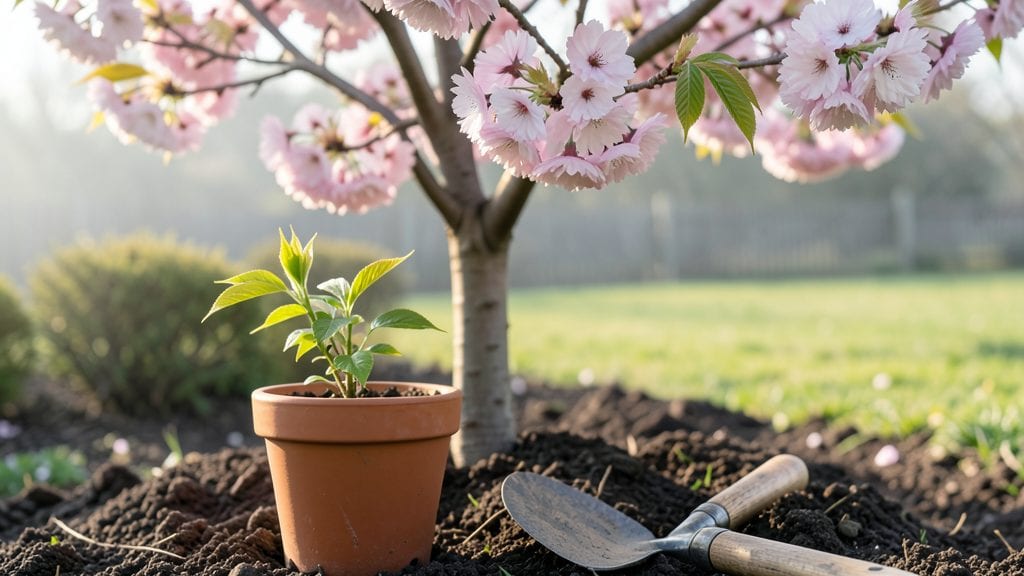
Planting a sakura tree means bringing delicate pink clouds to your yard—though I learned the hard way that timing and location make all the difference. 🌸 My first attempt nearly died from late planting, but now I know exactly when and where to place these beauties for maximum impact.
The right spot gives you 15+ years of stunning spring blooms and graceful foliage that turns fiery in fall.
You’ll need a few key things: a 10- to 15-gallon container for young trees, well-draining soil (they hate soggy roots), and a sunny location with 6+ hours of sunlight daily. Most sakuras thrive in USDA zones 5-8, but early bloomers like Kanzan handle colder winters better than late varieties.
The planting hole should be twice as wide as the root ball but no deeper—sakuras hate being buried too deep.
After planting, water deeply to settle the soil, then mulch around the base to protect roots from temperature swings. The first year is critical—keep the soil consistently moist but never waterlogged.
By spring, you’ll see those iconic buds forming, and with proper care, your tree will reward you with pink blossoms that last 1-2 weeks (longer in cooler climates).
Here’s the secret: prune only to shape, never to force blooms. Sakura trees bloom on old wood, so aggressive cutting back reduces next year’s flowers. With the right spot and patience, your tree will become the centerpiece of your landscape—just like mine did after I finally got the basics right.
📚 In This Guide
- What you need
- Instructions
- Tips and common mistakes
- Wrapping up and next steps
What you need
- ● Sakura tree sapling: Choose a healthy, dormant-season (fall/winter) or bare-root (late winter) 1- to 3-gallon container-grown tree (species like Prunus serrulata or Prunus × yedoensis).
- ● Shovel or spade: A round-point shovel (18–24 inches) for digging holes efficiently.
- ● Garden fork or trowel: For loosening soil and breaking up roots.
- ● Compost or organic matter: 2–3 gallons of well-aged compost or leaf mold to enrich the soil.
- ● Slow-release fertilizer: A balanced 10-10-10 or organic granular fertilizer (follow package rates).
- ● Mulch: 3–4 inches of wood chips, straw, or pine bark to retain moisture and regulate temperature.
- ● Watering can or hose with nozzle: For gentle, deep watering (aim for 1–2 gallons per watering initially).
- ○ Staking kit (optional but recommended for young trees): 2–3 stakes (4–6 feet tall) + soft tree ties to support the tree in windy areas.
- ● Soil test kit: To check pH (sakura prefer slightly acidic to neutral soil, pH 5.0–7.0).
- ● Root stimulator: A mycorrhizal fungus or rooting hormone to boost early growth.
- ● Tree guard or protective barrier: To shield the trunk from pests or curious critters.
- ● Pruning shears: Bypass pruners (for shaping after planting, if needed).
- ● Weatherproof plant tag: To label your sakura variety and planting date.
Step-by-step instructions for planting a sakura tree
Here’s how to plant a Japanese cherry tree for stunning spring blooms and lasting beauty.
🌱 Step 1: Choose the Right Location and Prepare the Soil
Sakura trees thrive in full sun—select a spot with at least 6-8 hours of direct sunlight daily. They also need space: mature trees can reach 20-30 feet tall, so plant yours 20-30 feet away from structures, sidewalks, or other trees. Japanese cherry trees prefer well-draining soil with a slightly acidic to neutral pH (6.1-7.5). If your soil is heavy clay, amend it with 2-3 inches of compost or organic matter before planting to improve drainage.
Dig a hole twice as wide and just as deep as the tree’s root ball. Loosen the sides of the hole with a shovel to encourage root spread. Avoid disturbing the root ball when removing the tree from its container—gently squeeze the sides to coax it out if needed. If planting in cold climates, wait until spring after the last frost to reduce transplant shock.
🪴 Step 2: Plant the Sakura Tree Properly
Place the tree in the hole so the top of the root ball sits level with the surrounding soil—never bury the graft union (the swollen area near the base of the trunk) or the trunk itself. Backfill the hole with the native soil, tamping it down lightly in 2-inch layers to remove air pockets. Water deeply after each layer to settle the soil around the roots.
Once planted, create a watering basin by mounding soil around the base to direct water toward the roots. This prevents runoff and ensures moisture reaches where it’s needed. Mulch the area with 2-3 inches of organic mulch (like wood chips), keeping it 3-4 inches away from the trunk to prevent rot. The mulch helps retain moisture and regulate soil temperature.
☀️ Step 3: Water and Provide Initial Care
Water the tree deeply 2-3 times per week for the first month, ensuring the soil stays evenly moist but not soggy. Sakura trees are drought-tolerant once established, but young trees need consistent moisture to develop strong roots. You’ll know the watering is right when the top 2 inches of soil feel damp—not dry or waterlogged.
Fertilize lightly in early spring with a balanced, slow-release fertilizer (10-10-10) to support new growth. Avoid heavy fertilization in the first year, as it can stress the tree. Prune only to remove any dead, damaged, or crossing branches—sakura trees bloom on old wood, so minimal pruning is best. Wait until late winter or early spring before the buds swell to prune.
⏰ Step 4: Maintain Long-Term Health and Beauty
After the first year, water the tree once a week during dry spells, focusing on deep, slow watering to encourage deep root growth. In winter, protect young trees from harsh winds by wrapping the trunk with tree guard or burlap if your climate experiences freezing temperatures. Sakura trees are generally low-maintenance, but they benefit from an annual application of compost in early spring to replenish nutrients.
Watch for signs of stress, like yellowing leaves or wilting branches, which may indicate overwatering, underwatering, or pest issues. Japanese cherry trees are relatively pest-resistant, but aphids or spider mites can appear. If needed, treat with neem oil or insecticidal soap—always follow the product’s instructions for safe application. With proper care, your sakura tree will reward you with vibrant spring blooms and seasonal interest** for decades.
Tips & tricks for perfect sakura tree planting
Here’s what I’ve learned from planting sakura trees that thrive for decades—avoid these common mistakes and watch your tree flourish.
Location is Everything: That 6-8 hours of direct sunlight isn’t just a suggestion—sakura trees are sun worshippers! I planted mine against a south-facing wall, and the difference in growth compared to a partially shaded spot was dramatic. Also, remember those 20-30 feet of space? That’s not just for mature height—sakura trees spread their branches wide too. Measure twice, plant once.
Root Ball Handling: I learned this the hard way—don’t yank that root ball out of its container! Gently squeeze the sides to loosen it, then slide it out intact. When placing it in the hole, make sure the top sits level with the surrounding soil. Burying the graft union (that swollen area near the base) will kill your tree—trust me, I’ve seen it happen. The root ball should be the only part above ground.
Watering Wisdom: Those first 2-3 weeks are critical—water deeply 2-3 times per week, but don’t drown it. The top 2 inches of soil should feel damp, not soggy. I use a moisture meter now, but the old-school finger test works too: stick your finger in—if it feels dry at 2 inches, it’s time to water. And that watering basin? It’s not optional—it’s what keeps water where your roots need it most.
Mulch Matters: The 2-3 inches of organic mulch (like wood chips) isn’t just decoration—it’s insulation. Keep it 3-4 inches away from the trunk to prevent rot, and refresh it annually. I’ve seen trees with mulch piled against the trunk develop fungal issues. Also, mulch helps regulate soil temperature, which is especially important in hot summers or cold winters. Think of it as a cozy blanket for your tree’s roots.
Pro Tips for Sakura Tree Planting
- Here’s what I’ve learned from planting sakura trees that thrive for decades—avoid these common mistakes and watch your tree flourish.
- Location is Everything: That 6-8 hours of direct sunlight isn’t just a suggestion—sakura trees are sun worshippers!
- Root Ball Handling: I learned this the hard way—don’t yank that root ball out of its container!
Frequently asked questions
Got questions about planting and caring for your sakura tree? You’re not alone! Here are some of the most common queries—plus straightforward answers to help you grow a stunning, healthy tree.
When is the best time to plant a sakura tree?
For optimal root establishment, plant your sakura in early spring (March–April) or fall (September–October). Avoid extreme heat or frost—young roots need time to adapt. If you’re in a mild climate, late fall works too, but prioritize soil prep to prevent winter stress.
How far apart should sakura trees be planted?
Space sakura trees 20–30 feet apart for mature growth (they can reach 30–40 feet tall!). If planting near a house or fence, leave at least 15 feet of clearance to avoid root or branch interference. Dwarf varieties need only 10–15 feet.
Do sakura trees need full sun? What if my yard is shady?
Sakura trees thrive in full sun (6+ hours daily), but they can tolerate partial shade (4–6 hours). In shady spots, expect fewer blooms and slower growth. If your yard lacks sun, consider dwarf varieties or a container for a patio—just place it near a sunny window or balcony.
Why aren’t my sakura leaves turning pink/red like I expected?
Fall foliage color depends on variety, sunlight, and nutrients. Some sakura (like Prunus serrulata ‘Kanzan’) have subtle hints of red, while others (e.g., Prunus serrulata ‘Shirotae’) stay green. Lack of sunlight or poor soil can dull colors. Boost potassium with a balanced fertilizer in early spring for vibrant fall tones.
Can I grow a sakura tree in a pot? What’s the best container size?
Yes! Use a large container (at least 24–36 inches wide/deep) with drainage holes. Opt for dwarf sakura varieties (e.g., Prunus serrulata ‘Akebono’) and repot every 2–3 years. Place in full sun and water daily in summer—containers dry out faster than ground soil.
What pests should I watch for, and how do I treat them?
Common pests include aphids, spider mites, and borers. For mild infestations, spray with water (aphids) or neem oil. Borers require pruning infected branches and applying beneficial nematodes. Monitor for yellowing leaves or sawdust-like frass—early action prevents spread!
Wrapping up and next steps
Planting a sakura tree isn’t just about welcoming spring’s fleeting beauty—it’s a lifelong commitment to nurturing nature’s artistry. From selecting the right soil to mastering pruning techniques, every step ensures your tree thrives year-round, gifting you with hanami magic for decades. 🌸
Ready to turn your garden into a serene sanctuary? Start small: research local climate zones, gather your tools, and plant with patience. Watch as your efforts bloom into a symbol of resilience—and joy!