
Pruning
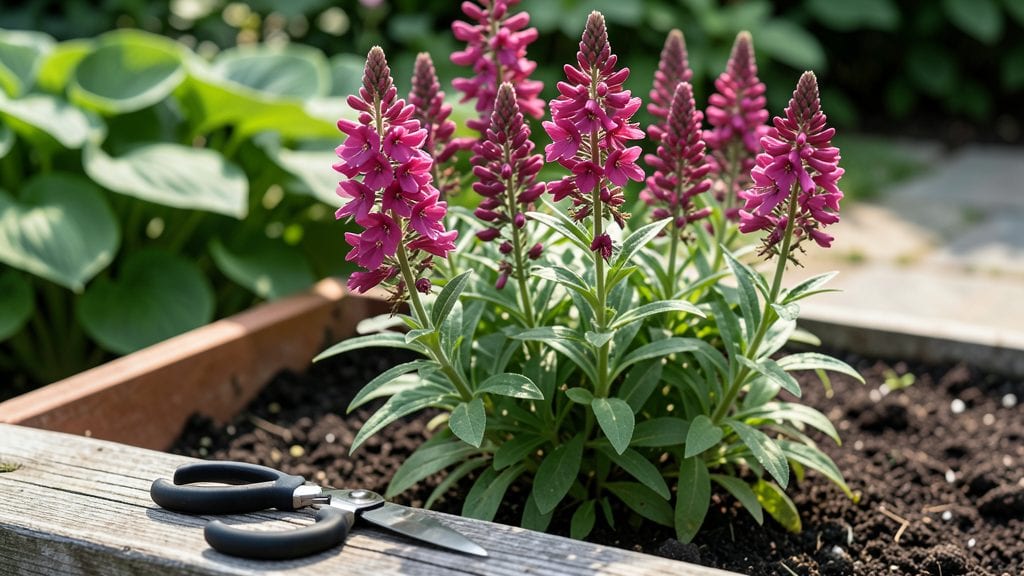
Pruning phlox plants isn't just about cutting back—it's the secret to turning one seasonal burst of blooms into a garden that stays vibrant from spring to fall. 🌸 I learned this the hard way after my first phlox hedge faded by July, but two simple trims changed everything.
The key is timing: a spring cleanup to shape the plant and a late-summer reset to trigger fresh growth before winter.
You only need basic tools: sharp pruners for clean cuts and a pair of gloves to protect your hands from those stubborn stems. Most gardeners skip the second trim, which is why their phlox peters out by midsummer.
That late-season cut is what forces new buds to form, extending your blooms for weeks longer. Think of it like giving your plants a second chance to shine.
After pruning, your phlox will reward you with bushier, fuller growth and fewer leggy stems. The flowers come back thicker and more abundant, and you'll notice fewer pests hiding in overgrown foliage.
It takes just 15 minutes twice a year to transform a tired-looking clump into a showstopper that neighbors will ask about.
Works for both garden borders and container phlox, and the same method applies to both perennial and woody varieties. The only rule? Never cut into old wood—always leave at least 2-3 inches of healthy growth. Here's how to do it right the first time.
📚 In This Guide
- What you need
- Instructions
- Tips and common mistakes
- Wrapping up and next steps
What you need
- ● Pruning shears or bypass pruners – Choose sharp, sterilized shears with a 4- to 6-inch blade for precision cuts.
- ● Garden gloves – A pair of cut-resistant gloves to protect your hands from thorns and rough stems.
- ● Disinfectant (rubbing alcohol or bleach solution) – Mix 1 part bleach to 9 parts water to sterilize tools between cuts and prevent disease.
- ○ Garden twine or plant ties (optional for support) – Useful if your phlox is leggy or needs extra structure post-prune.
- ● Garden waste bag or bucket – For collecting pruned stems and debris.
- ● Hand pruners or loppers – For thicker stems (over ½-inch thick).
- ● Garden hose or water spray bottle – To clean tools mid-pruning and keep cuts fresh.
- ● Compost bin – If you plan to repurpose pruned stems for mulch.
- ● Notebook & pen – To jot down pruning notes or track blooming cycles.
Step-by-Step instructions for pruning phlox plants
Here’s the method I’ve used for years to keep phlox blooming abundantly from spring through fall.
✂️ Step 1: First Trim After the First Spring Blooms
Wait until your phlox has finished its first flush of flowers—usually 4-6 weeks after the initial blooms—before cutting back. I like to trim one-third of the plant’s height at this stage. Use clean, sharp pruners to avoid tearing stems, and cut just above a set of healthy leaves or buds. This encourages a second wave of blooms and keeps the plant compact.
Here’s the thing—don’t rush this step. If you cut too early, you’ll sacrifice those first flowers. Watch for spent blooms to wilt completely before making your cut. For a 4-foot-tall phlox, that’s about 12-18 inches off the top. If your plant is smaller, adjust proportionally.
✂️ Step 2: Late-Summer Deadheading for Fall Blooms
Once your phlox starts its second bloom cycle in late summer, switch to deadheading instead of heavy pruning. Snip off only the spent flower heads—no need to cut stems. This redirects the plant’s energy into new blooms rather than seed production. I do this every 3-5 days during peak bloom time to keep the plant looking fresh and encourage continuous flowers.
Real talk: If you skip this, your phlox will still bloom, but it’ll focus on making seeds instead of flowers. You’ll see fewer blooms overall, and they’ll fade faster. For a well-maintained phlox, this second trim keeps it flowering until late September or October in most climates.
✂️ Step 3: Final Cleanup in Late Fall or Early Spring
After the last frost or in late fall, cut the entire plant back to 2-3 inches above the ground. This removes dead foliage, prevents disease, and prepares the plant for next year’s growth. I always do this in early March before new shoots appear—it’s easier to see where to cut when the plant is dormant.
Don’t worry if it looks harsh. Phlox is tough and will bounce back quickly. This step also helps prevent powdery mildew, which loves to overwinter in old, dead leaves. If your climate is mild, you can wait until spring, but in colder areas, a late-fall trim gives the plant a head start.
💧 Step 4: Post-Pruning Care for Strong Regrowth
After each major trim, water the plant deeply to help it recover. Phlox has deep roots, so 1 inch of water per week (either from rain or irrigation) keeps it happy. I also add a light layer of mulch around the base to retain moisture and regulate soil temperature. Avoid over-fertilizing right after pruning—too much nitrogen can lead to leafy growth at the expense of flowers.
You’ll see new growth within 2-3 weeks after your first trim. If you notice leggy stems or sparse blooms, it might mean your phlox needs more sunlight—most varieties thrive in full sun (6+ hours daily). A little extra light can make a big difference in bloom quantity.
Tips & tricks for perfect pruning phlox plants
A few simple tricks will help you keep your phlox blooming beautifully all season long.
The Timing Factor: In Step 1, when you're waiting those 4-6 weeks after the first blooms, mark your calendar! I use a plant journal to track bloom cycles—this helps me remember when to trim without sacrificing those first flowers. The key is patience; waiting for completely wilted blooms ensures you're not cutting too early and missing out on that first flush of color.
Tool Technique: Always use clean, sharp pruners for every cut. Dull blades crush stems and create entry points for disease. I keep a small bottle of rubbing alcohol handy to wipe down my pruners between cuts—this prevents spreading any potential pathogens from plant to plant. For the one-third trim in Step 1, make clean cuts just above a set of healthy leaves to encourage new growth.
Deadheading Discipline: During the 3-5 day deadheading routine in Step 2, I've found that morning is the best time to work. The blooms are fully open, making it easier to spot spent flowers. Use sharp scissors or pruners to cut just above the next set of leaves—this prevents leaving stubs that can rot. The more consistently you deadhead, the longer your phlox will continue blooming into fall.
Seasonal Strategy: For Step 3's final cleanup, I've discovered that timing matters based on your climate. In colder regions, a late-fall trim in November gives your phlox a head start in spring. In milder climates, waiting until early March works perfectly. Either way, always cut back to 2-3 inches above ground level—this prevents disease while still protecting the crown from winter damage.
Pro Tips for Pruning Phlox Plants
- A few simple tricks will help you keep your phlox blooming beautifully all season long.
- The Timing Factor: In Step 1, when you're waiting those 4-6 weeks after the first blooms, mark your calendar!
- Tool Technique: Always use clean, sharp pruners for every cut.
Frequently asked questions
Got questions about pruning your phlox? You’re not alone!
Here are answers to the most common concerns—so you can keep your blooms thriving with confidence.
When is the best time to prune phlox?
Prune once in early spring (just as new growth emerges) to shape the plant and remove dead stems. Then, do a light trim after the first flush of blooms (late spring/early summer) to encourage a second round of flowers. Avoid heavy pruning in fall—let the foliage die back naturally for winter hardiness.
How much should I cut back phlox?
For spring pruning, trim back one-third of the plant’s height to promote bushiness. After blooming, cut back only the spent flower stalks (leave the lower leaves intact). Never prune more than 30% of the foliage at once—this can stress the plant and reduce next year’s blooms.
What if I prune at the wrong time?
If you prune too late in the season (after early fall), new growth may not harden off before winter, leaving phlox vulnerable to frost damage. If you’ve already over-pruned, don’t panic—just reduce watering and fertilize lightly in spring to help recovery. Phlox is resilient!
Can I prune phlox in containers differently?
Container-grown phlox follows the same rules, but pay extra attention to airflow—crowded stems can trap moisture and invite disease. After pruning, space out remaining stems to improve circulation. Also, repot every 2–3 years to refresh soil and prevent root-bound stress.
Why aren’t my phlox blooming after pruning?
Poor blooms often mean over-pruning, nutrient deficiencies, or shady conditions. Check your pruning technique (leave 6–8 inches of stem for regrowth) and fertilize with a balanced, slow-release formula in early spring. Phlox needs full sun (6+ hours/day)—move pots or thin nearby plants if shade is the issue.
Wrapping up and next steps
Pruning your phlox plants doesn’t have to be intimidating—just a little timing, technique, and tenderness go a long way! With just two simple trims a year, you’ll keep those vibrant blooms coming back stronger and more abundant. 🌸
Ready to give your garden a boost? Grab your shears, pick a sunny day, and get pruning! Your future self (and your happy phlox) will thank you.
Pro tip: Snap a before-and-after photo—you’ll love tracking your progress!