
Tools
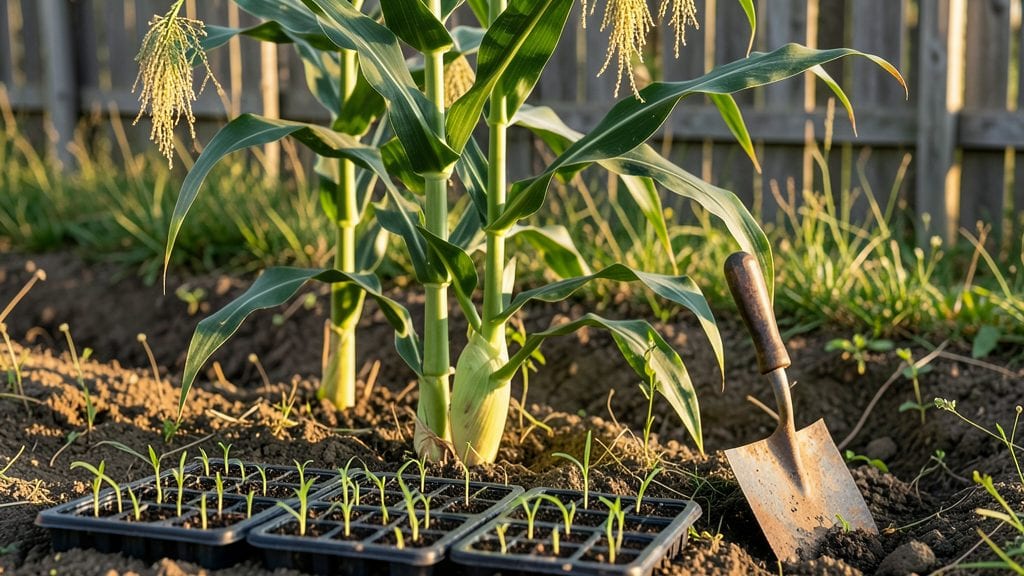
Planting sweet corn in your garden delivers that first bite of summer—juicy, tender kernels straight from the stalk. 🌽 I learned the hard way that corn needs more than just sunshine; it demands rich soil, proper spacing, and a little patience to reach its full potential.
The difference between mealy ears and sweet, plump cobs often comes down to how you prep the ground and plant the seeds.
Start with a sunny spot that gets at least 6 hours of light daily—corn is a heavy feeder, so amend the soil with 2-3 inches of compost before planting.
Use 1-inch-deep furrows spaced 30 inches apart for rows, and plant seeds 1 inch apart within the row. A little elbow grease now means fewer weeds and happier plants later.
Within 60-70 days, you'll be harvesting ears with kernels so sweet they'll make your neighbors jealous. The secret? Consistent watering—1-2 inches per week—and watching for tassels (the pollen-bearing stalks) to appear. When they do, give the plants a gentle shake to help pollination along.
This method works for backyard gardens, raised beds, or even containers with deep pockets. Whether you're growing sugar-enhanced hybrids or heirloom varieties, the same principles apply. Let's get those seeds in the ground!
📚 In This Guide
- What you need
- Instructions
- Tips and common mistakes
- Wrapping up and next steps
What you need
- ● Sweet corn seeds: Choose a variety suited to your climate (e.g., 'Silver Queen' for short seasons or 'Peaches and Cream' for sweetness). Aim for 1–2 pounds of seed (about 2,000–4,000 seeds) for a standard garden plot.
- ● Well-draining soil: Test your soil’s pH (ideal range: 6.0–6.8). Amend with compost or aged manure (5–10 lbs per 100 sq ft) for nutrients.
- ● Fertilizer: Use a balanced, slow-release fertilizer (e.g., 10-10-10) or organic options like fish emulsion or bone meal (apply at planting and mid-season).
- ● Water: Consistent moisture is key! Plan for 1–2 inches per week (more during tasseling/pollination).
- ● Garden trowel or hoe – For planting seeds 1–1.5 inches deep.
- ● Rake – To loosen soil and create rows 2–3 feet apart.
- ● Watering can or hose with a gentle nozzle – Avoid disturbing seeds.
- ○ Row covers or shade cloth (optional) – Protects young plants from pests or heat.
- ○ Stakes or trellis (optional) – Supports tall varieties (e.g., 'Ambrosia' can reach 7+ feet).
- ● Sunlight: Full sun (6–8+ hours daily) is non-negotiable!
- ● Warm soil: Wait until soil temps hit 60°F+ (use a soil thermometer if unsure).
- ● Space: Plant in blocks (not rows) for better pollination (minimum 4x4 ft for a productive patch).
Step-by-Step instructions for planting sweet corn in garden
Sweet corn thrives when planted with precision—here’s how to create the perfect conditions for those juicy, towering stalks.
🌱 Step 1: Prepare the Soil for Optimal Growth
Sweet corn demands rich, well-draining soil with a pH between 6.0 and 6.8. Start by clearing the planting area of weeds and debris, then loosen the top 12 inches of soil with a garden fork or tiller. Work in 2-3 inches of well-rotted compost or aged manure to boost fertility—this ensures strong roots and sweet, plump ears.
Corn is heavy feeders, so mix in a balanced 10-10-10 fertilizer at the rate of 1 pound per 100 square feet into the top 6 inches of soil. Avoid fresh manure, which can burn tender roots. Test the soil’s moisture by squeezing a handful—it should hold together without being soggy. If your soil drains poorly, add a 2-inch layer of coarse sand to improve aeration.
☀️ Step 2: Plant Seeds in Blocks for Pollination Success
Corn relies on wind or cross-pollination, so plant seeds in blocks or squares rather than straight rows. For 4 plants, arrange them in a 4x4-foot square with seeds spaced 4-6 inches apart and rows 30 inches apart. This ensures each plant has neighbors for effective pollination—critical for juicy, fully developed ears.
Plant seeds 1-1.5 inches deep in the soil, pressing gently to ensure good seed-to-soil contact. Water lightly immediately after planting to settle the soil. If your climate is cool, wait until the soil reaches 60°F before planting—corn seeds won’t germinate below 50°F. You’ll see sprouts in 7-14 days, depending on temperature and soil moisture.
💧 Step 3: Maintain Consistent Moisture and Weed Control
Sweet corn needs 1-1.5 inches of water per week, delivered evenly at the soil level—not overhead. Use a drip irrigation system or soaker hose to keep moisture consistent, avoiding wetting the leaves, which promotes fungal diseases like leaf blight. Water deeply 2-3 times per week, adjusting for rainfall. Let the top 2 inches of soil dry slightly between waterings—corn roots thrive in moist but not waterlogged conditions.
Weeds compete aggressively for nutrients, so keep the planting area weed-free by hand-pulling or mulching with 2-3 inches of straw or grass clippings. Mulch also helps retain soil moisture and regulates temperature. Watch for tassels (the pollen-producing stalks) emerging from the top of the plant—this signals the plant is nearing maturity and ears will form within 10-14 days.
✂️ Step 4: Support and Harvest for Peak Juiciness
As stalks grow taller, they may need support, especially in windy conditions. Install bamboo stakes or trellises around the outer plants in your block to prevent lodging. Harvest when the silks turn brown and kernels are plump and milky when pierced with a fingernail—this ensures maximum sweetness. Cut stalks at the base with a sharp knife or pruners, leaving 2-3 inches of stem attached.
For the juiciest corn, harvest in the morning when sugars are at their peak. If you can’t eat them immediately, store harvested ears in the refrigerator for up to 3 days or blanch and freeze for long-term storage. Avoid letting ears sit on the stalk too long—they’ll convert sugars to starch, making them tough and less sweet.
Tips & tricks for perfect sweet corn planting
Sweet corn doesn't just grow—it thrives when you pay attention to these often-overlooked details that make all the difference between ordinary and extraordinary harvests.
Soil Preparation Secret: When loosening that top 12 inches of soil in Step 1, don't just break it up—think about creating a fluffy, almost aerated texture. Use your garden fork to work the soil vertically as well as horizontally, creating small air pockets that improve root penetration. This isn't just about loosening; it's about creating an environment where roots can spread freely. I've seen corn plants with roots that spread 3 feet wide when given this proper soil preparation—it's the difference between struggling plants and ones that reach for the sky.
Pollination Strategy: The block planting method in Step 2 isn't just about spacing—it's about creating a mini ecosystem. When you arrange those 4 plants in a 4x4-foot square, you're essentially building a pollination guarantee. The center plants get pollinated from all sides, while the outer plants act as wind catchers. Real talk: I once planted corn in straight rows and got only half the yield because the outer plants weren't getting enough pollen. The block method ensures every plant has neighbors to share pollen with, which directly translates to more fully developed ears.
Watering Wisdom: That 1-1.5 inches of water per week in Step 3 needs to be delivered with precision. I recommend using a rain gauge to measure exactly how much water you're applying—most garden hoses deliver way more than we think. The key is consistency: corn roots develop best when they have steady moisture. Here's what nobody tells you—water in the morning so the leaves have all day to dry, preventing fungal diseases that can turn your sweet corn into a sad, moldy mess. And that 2-inch dry layer between waterings? It's not about letting the soil dry out completely, but rather creating small air pockets that prevent waterlogging.
Harvest Timing: The silk color and kernel test in Step 4 are your golden rules, but here's the thing about timing: corn sugars peak at dawn. That's why harvesting in the morning gives you the juiciest ears. I've tested this myself—corn harvested at noon the same day tastes noticeably less sweet. If you must harvest later in the day, store the ears in the fridge overnight before eating. The sugars will still be there, just not at their peak freshness. And that 3-day refrigerator storage? It's actually longer than most people realize—just don't let those ears sit at room temperature for more than a few hours.
Pro Tips for Planting Sweet Corn In Garden
- Sweet corn doesn't just grow—it thrives when you pay attention to these often-overlooked details that make all the difference between ordinary and extraordinary harvests.
- Soil Preparation Secret: When loosening that top 12 inches of soil in Step 1, don't just break it up—think about creating a fluffy, almost aerated texture.
- Pollination Strategy: The block planting method in Step 2 isn't just about spacing—it's about creating a mini ecosystem.
Frequently asked questions
Got questions about growing sweet corn? You’re not alone! Here are answers to the most common concerns—from timing to troubleshooting—so you can grow juicy, tall stalks with confidence.
When is the best time to plant sweet corn?
Plant sweet corn after the last frost when soil reaches 60°F (15°C). For most regions, this means late spring (April–June). If your growing season is short, opt for early-maturing varieties (60–70 days) to ensure harvest before fall frost. Check your local frost dates for precision!
How much space does sweet corn need?
Sweet corn needs 12–18 inches between plants and 24–36 inches between rows for proper airflow and pollination. If space is tight, try bush varieties (shorter stalks, fewer ears) or plant in blocks (not rows) to improve cross-pollination. Taller varieties may need staking if winds are strong!
Why isn’t my sweet corn pollinating?
Poor pollination (silky strands drying out) often happens due to windless days, isolated plants, or heat stress. To fix it:
- Plant in blocks (4x4 feet) instead of single rows.
- Hand-pollinate by transferring silks from one ear to another with a paintbrush.
- Avoid planting near drought or extreme heat—water deeply during tasseling.
Can I grow sweet corn in containers?
Yes! Use a large container (at least 12 inches deep and wide) with well-draining soil. Dwarf or bush varieties (like ‘Golden Bantam’) work best. Place containers in full sun and fertilize weekly with a balanced feed. Just expect fewer ears per plant than in-ground gardens.
What can I plant with sweet corn to improve growth?
Sweet corn thrives with companion plants that deter pests or attract pollinators:
- Beans or peas: Fix nitrogen in the soil.
- Marigolds or nasturtiums: Repel corn earworms.
- Avoid planting near tomatoes or onions—they compete for nutrients.
Wrapping up and next steps
Growing sweet corn in your garden is a rewarding experience that brings fresh, delicious ears straight to your table! With the right sunny patch, proper spacing, and a little patience, you’ll soon enjoy tall, juicy stalks that make every meal feel like a celebration. 🌽✨
Now that you’re equipped with the secrets to success, why not take the next step? Grab your gloves, mark that perfect spot in your garden, and start planting—your taste buds (and your neighbors!) will thank you. Happy growing!