
Propagation
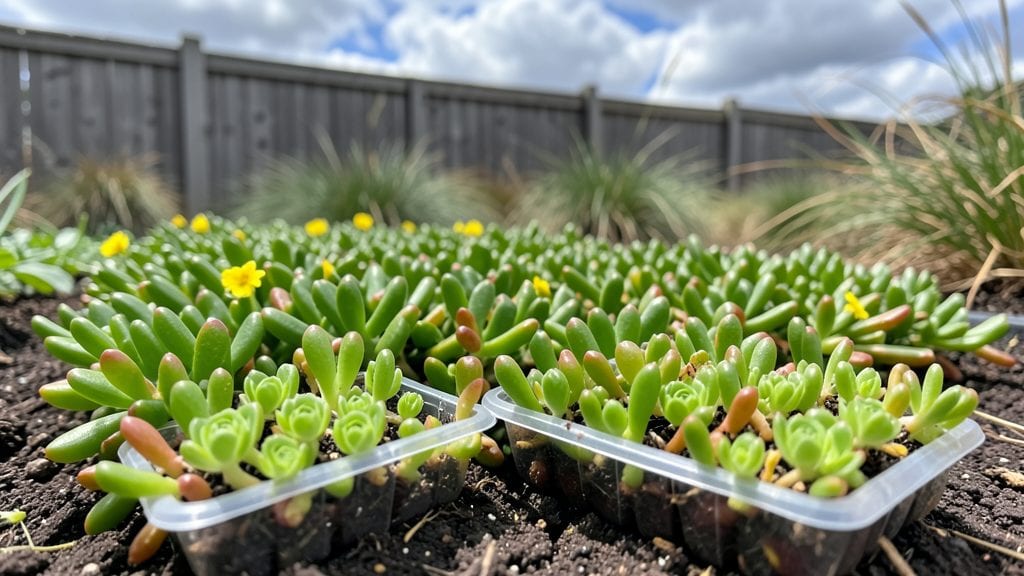
Planting portulaca seeds in well-draining soil gives you fast germination—often within 3-5 days—because these tiny seeds love heat and sun more than they love patience.
I’ve sown mine in late spring when soil hits 70°F, and the first bright green sprouts push through within a week, like little sunbeams breaking through pavement. The key isn’t fussing over them; it’s letting nature take over once you get the basics right.
Portulaca thrives in full sun and soil that drains like a sandy beach—no heavy clay here. Scatter the seeds on top of the soil (they need light to sprout), press them in lightly, and water just enough to keep the surface damp.
Overwatering is the fastest way to kill them, so think of it like a desert plant’s dream: dry but not soggy. A shallow tray or flat works perfectly for starting them indoors before transplanting to your garden’s sunniest spot.
By the time you’re pinching off the first blooms—those cheerful yellows, oranges, and pinks—you’ll realize how foolproof this process is. The plants spread fast, self-seed like crazy, and bounce back from drought better than most annuals.
Even my black thumb can’t kill these, which is why they’re the secret weapon for low-maintenance, high-impact garden color.
Works just as well in containers, along walkways, or tucked into rock gardens. Once established, they’ll reward you with blooms all summer long—no deadheading required. Here’s how to keep them happy from seed to showstopper.
📚 In This Guide
- What you need
- Instructions
- Tips and common mistakes
- Wrapping up and next steps
What you need
- ● Portulaca seeds: 1–2 packets (50–100 seeds per packet). Opt for Portulaca grandiflora for vibrant blooms or Portulaca oleracea for edible greens.
- ● Seed-starting mix: 1–2 cups of lightweight, well-draining potting soil (avoid garden soil—it’s too dense!). Look for a mix labeled "seed-starting" or "cactus/succulent blend."
- ● Containers: For direct sowing: Small pots (2–3 inches deep) or seed trays with drainage holes (1–2 per seed type).
- ● For transplanting: Individual biodegradable pots (2–3 inches) or a larger container (6+ inches) if planting multiple seeds.
- ● Drainage layer: Perlite, vermiculite, or coarse sand (¼ inch thick) to prevent root rot.
- ● Spray bottle: With water (or a gentle misting can) to keep seeds moist without drowning them.
- ● Grow lights or sunny windowsill: A south-facing window (6+ hours of sunlight daily) or a LED grow light (12–16 hours/day) if indoors.
- ● Twine or labels: To mark pots and track planting dates.
- ● Fertilizer: Balanced liquid fertilizer (5-5-5 or 10-10-10) diluted to half-strength for seedlings.
- ● Heat mat: If your space is chilly (<60°F/15°C), a seedling heat mat speeds up germination.
- ● Humidity dome: Keeps moisture in for faster sprouting (remove once seeds germinate).
- ● Tweezers: For delicate seed placement (especially for tiny Portulaca seeds).
- ● Gloves: Protects hands from fine seed dust (if you’re sensitive).
How to plant portulaca seeds for quick, sunny-bloom success
Portulaca thrives on speed and sun—here’s how to get those tiny seeds sprouting in days, not weeks.
Prepare the Perfect Sunny Soil
Portulaca loves fast-draining soil, so skip the heavy garden mix. Instead, fill your containers with the 2 gallons of cactus/succulent mix—it’s gritty enough to prevent rot while holding just enough moisture for those quick germinators. I like to add a handful of perlite to the mix to lighten it further, since portulaca hates soggy roots.
Work the soil until it’s loose and airy—think fluffy, not compacted. Press it down just enough to create a firm surface for the tiny seeds. The goal is soil that holds shape when gently squeezed but still lets water drain within minutes. A good test: poke your finger in—if it springs back immediately, you’re golden.
Scatter Seeds Like Confetti
Portulaca seeds are so small they look like dust, so don’t worry about spacing. Sprinkle them evenly over the soil surface using the seed packet—I like to tap it gently over the container while holding it at a 45-degree angle. Aim for 100-150 seeds per 6-inch pot—they’ll self-thin naturally, and you’ll end up with a lush, full look.
Don’t cover them with soil. Portulaca seeds need light to germinate, so just press them very lightly into the surface with your fingertip. If you bury them even a quarter-inch deep, they’ll take forever—or never—emerge. A light mist with the spray bottle ensures even moisture without washing seeds away.
☀️ Step 3: Place in Bright, Warm Light Immediately
Germination happens fastest in warmth and full sun, so move your containers to the sunniest spot you have—even a south-facing windowsill or a greenhouse shelf. If you’re starting indoors, place them under grow lights set to 14-16 hours of light daily. Portulaca won’t tolerate shade; without enough brightness, seedlings stretch weak and leggy.
Keep the soil surface damp but not wet—think of a wrung-out sponge. Check daily and mist again if the top layer feels dry to the touch. In ideal conditions (70-80°F), you’ll see tiny green sprouts in 3-7 days. If your home runs cooler, germination may take up to 10 days, but don’t give up—just be patient.
⏰ Step 4: Thin and Transplant When Ready
Once seedlings have 2-3 true leaves (not just the first tiny cotyledons), it’s time to thin. Use a small pair of scissors to snip the weakest stems at soil level—this prevents disturbing the roots of the survivors. Aim to leave 2-3 inches between plants in the pot. If you’re transplanting to the garden, wait until seedlings are 3-4 inches tall and hardy enough to handle.
Portulaca handles heat and drought like a champ, so after thinning, reduce watering to every 2-3 days. Let the top inch of soil dry out completely between waterings—overwatering is the #1 killer of these tough little plants. You’ll know they’re thriving when they burst into color within 4-6 weeks of planting.
Enjoy Fast Blooms and Repeat
Here’s the magic: Portulaca seeds self-sow aggressively, meaning you’ll get new volunteers popping up all season long. Once your plants are established, let a few flowers go to seed—save the dried seed pods for next year’s instant garden. The more you grow, the more they spread, creating a low-maintenance, sun-loving carpet of color that multiplies itself.
If you’re growing for cut flowers, harvest in the early morning when blooms are fully open. They last 3-5 days in water, making them perfect for last-minute bouquets. And because they’re so fast, you’ll have continuous blooms from late spring until frost—no deadheading required!
Tips & tricks for planting portulaca seeds
Fast germination is all about creating the right conditions—and avoiding common pitfalls that slow things down. Here's how to make those tiny seeds pop in record time.
Soil Texture Matters: In Step 1, when preparing your 2 gallons of cactus/succulent mix, don't skip the perlite—it's what makes the difference between soggy roots and perfect drainage. I've found that adding an extra handful of perlite creates pockets of air that prevent compaction. After mixing, give the soil a final press with your fingers to create that firm-but-springy surface. This ensures seeds stay in place while still getting the moisture they need.
Light is Non-Negotiable: The 14-16 hours of light in Step 3 is crucial, but placement matters just as much. If you're using grow lights, position them just 4-6 inches above the seedlings—they need that intensity to prevent leggy growth. I've seen seedlings stretch like toothpicks when lights were too far away. For natural light, a south-facing window is ideal, but if that's not available, a grow light setup will give you consistent results regardless of weather conditions.
Timing Your Watering: The key to keeping soil damp but not wet is checking the top layer daily. I've learned the hard way that misting in the evening works better than morning—it gives the soil time to dry slightly before the next watering. In cooler conditions (below 70°F), you might only need to mist every other day, but in warmer temperatures (closer to 80°F), daily misting keeps the seeds happy. The goal is to keep that surface just barely moist to the touch, like a wrung-out sponge.
Thinning Strategy: When you reach Step 4 and need to thin seedlings with 2-3 true leaves, I've found that using clean scissors dipped in rubbing alcohol prevents spreading disease between plants. Snip at soil level rather than pulling—this keeps the roots of your chosen seedlings intact. The 2-3 inch spacing might seem generous, but it gives each plant room to grow without competing for sunlight, which is especially important as they develop those vibrant blooms.
Pro Tips for Planting Portulaca Seeds
- Fast germination is all about creating the right conditions—and avoiding common pitfalls that slow things down.
- Soil Texture Matters: In Step 1, when preparing your 2 gallons of cactus/succulent mix, don't skip the perlite—it's what makes the difference between soggy roots and perfect drainage.
- Light is Non-Negotiable: The 14-16 hours of light in Step 3 is crucial, but placement matters just as much.
Frequently asked questions
Got questions about planting portulaca seeds? You’re not alone! Whether you’re a seasoned gardener or a curious beginner, these answers will help you grow vibrant, fast-blooming portulacas with confidence.
How long does it take for portulaca seeds to germinate?
Portulaca seeds are fast germinators—typically sprouting in just 5–10 days when planted in warm soil (70°F/21°C or higher). For quicker results, soak seeds in warm water for 24 hours before planting. Patience pays off, but don’t be surprised if tiny green shoots pop up overnight!
Can I plant portulaca seeds directly in the ground?
Portulaca thrives in direct outdoor sowing once soil temperatures stay above 60°F (15°C). Avoid transplanting seedlings—they hate root disturbance. Scatter seeds lightly on well-draining soil, press them in, and water gently. No fuss, just fun!
What’s the best time of year to plant portulaca seeds?
Portulaca loves heat, so plant seeds after the last frost in spring or early summer for summer-long blooms. In warm climates, you can even sow in late summer for fall color. Just avoid planting when nights dip below 50°F (10°C)—chilly temps slow germination.
Why aren’t my portulaca seeds sprouting?
Slow germination often means cool soil or too much moisture. Portulaca seeds need warmth and dryness—keep soil barely moist and place trays in a sunny spot (or use a heat mat). If seeds stay damp too long, they may rot. Try again with fresh seeds in a warmer spot!
Are there alternatives to planting portulaca seeds?
Yes! Buy young plants from nurseries for instant color, or try propagating cuttings from existing portulacas. Just dip stems in rooting hormone and place in moist soil. Seeds are cheaper and more rewarding, but transplants work in a pinch—especially if you’re short on time!
Wrapping up and next steps
Planting portulaca seeds is a rewarding way to add vibrant, drought-tolerant blooms to your sunny garden with minimal effort! 🌞 With their fast germination (often in just 3–7 days) and low-maintenance care, these cheerful flowers are perfect for beginners and experienced gardeners alike.
Whether you’re brightening up containers, borders, or rocky patches, portulaca’s resilience and stunning colors make it a must-try.
Ready to dive in? Start small—grab a packet of seeds, prep your sunny spot, and watch your garden transform in weeks! Need more inspiration? Try experimenting with succulent pairings or edible varieties like Portulaca oleracea for a dual-purpose plot. Happy planting! 🌱✨