
Container Gardens
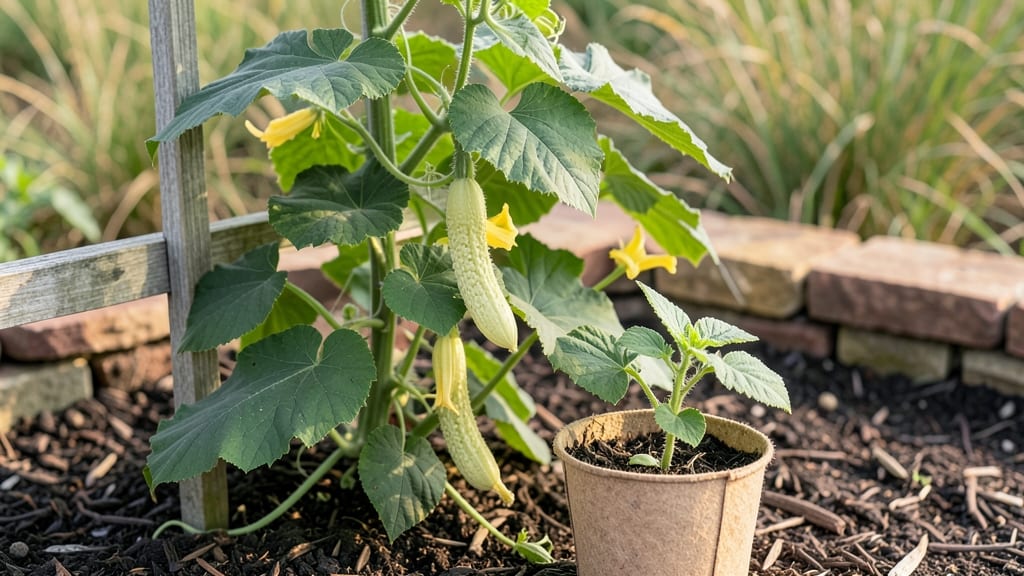
Planting lemon cucumbers in containers gives you zesty harvests without the sprawl of traditional vines. 🌱 These aren't true cucumbers—they're a citrusy melon relative with thin skins and tangy flesh, perfect for slicing or pickling. My first batch grew so well in a 5-gallon pot that I never looked back.
The secret starts with well-draining soil mixed with compost, and a sturdy trellis to keep vines contained. Lemon cucumbers need at least 6 hours of sun daily, but they tolerate afternoon shade better than most cucurbits.
Water consistently—letting the top inch dry between waterings prevents bitter fruit, while soggy soil leads to rot.
By mid-summer, you'll be harvesting 12-inch fruits with bright yellow skins and a flavor like a cross between cucumber and lemon. The vines stay compact enough for balconies, and with proper care, one plant produces enough for 2-3 people all season. Prune regularly to encourage airflow and more fruit.
They're surprisingly drought-tolerant once established, but mulch helps retain moisture in hot climates. If flowers drop off, it's usually from inconsistent watering or temperature swings—keep them above 60°F. The real reward? Fresh, tangy slices straight from your balcony.
📚 In This Guide
- What you need
- Instructions
- Tips and common mistakes
- Wrapping up and next steps
What you need
- ● Lemon cucumber seeds (or young plants) – Choose Cucumis sativus varieties like 'Lemon' or 'Sweet Success' (5–10 seeds or 2–3 plants for a small harvest).
- ● Containers – 5–10 gallon pots (or larger) with drainage holes. Pro tip: 💡 Use fabric grow bags for better root aeration!
- ● High-quality potting mix – Lightweight, well-draining soil (avoid garden soil—it compacts!).
- ● Organic compost – Mix 20–30% compost into your potting soil for nutrients.
- ○ Slow-release fertilizer (optional but helpful) – Look for one with a balanced NPK (e.g., 10-10-10) or a veggie-specific blend.
- ● Trellis or tomato cage – Lemon cucumbers vine aggressively! A 4–5 ft trellis saves space and improves airflow.
- ● Mulch (straw or shredded leaves) – Keeps soil moist and suppresses weeds.
- ● Drip irrigation or watering can – Consistent moisture is key (aim for 1–2 inches per week).
- ● Pruning shears – For trimming vines and removing yellow leaves.
- ● Row covers or shade cloth (if in hot climates) – Protects young plants from scorching.
Step-by-Step instructions for planting lemon cucumbers
These compact vines thrive in containers and reward you with zesty, bite-sized fruits—here's how to get them growing strong.
🪴 Step 1: Choose and Prepare Containers
Lemon cucumbers need at least 5-gallon containers with drainage holes—root-bound plants produce fewer fruits. I use fabric grow bags because they breathe better than plastic and prevent waterlogging. Fill each with 2 cubic feet of high-quality potting mix that drains well but retains moisture.
Before planting, mix in 1 cup of compost and ½ cup of balanced fertilizer (10-10-10) per container. This jumpstarts root growth and ensures your vines have nutrients from day one. Tap the soil lightly to remove air pockets, then water until it's evenly moist but not soggy.
🌱 Step 2: Plant Seeds or Transplants Correctly
Sow 2-3 seeds per container at a depth of ½ inch, spacing them 2 inches apart. Cover lightly with soil and mist the surface—don't water heavily, or seeds will wash too deep. If using transplants, set them 1 inch deeper than their nursery pots to encourage strong root establishment.
Thin to the strongest seedling once first true leaves appear (usually 10-14 days after planting). I pinch off the weaker stems at the base with clean scissors—this prevents competition and directs energy to the remaining plant. Keep containers in a warm spot (70-80°F soil temperature) until germination.
☀️ Step 3: Position for Maximum Sun and Support
Lemon cucumbers need 6-8 hours of direct sun daily—place containers where they'll receive morning light and afternoon shade if temperatures exceed 90°F. South-facing balconies or decks work perfectly. Install a 5-foot trellis or tomato cage near each plant to encourage vertical growth and improve air circulation.
Train vines by gently weaving them through the trellis as they grow. You'll see new tendrils every 3-5 days—these curl around supports naturally. Prune side shoots (suckers) that form in the leaf axils to focus energy on fruit production. Wait until vines reach 12 inches tall before pruning to avoid stunting growth.
💧 Step 4: Water and Fertilize for Continuous Harvests
Water when the top inch of soil feels dry, typically every 2-3 days in hot weather. I water at the base in the morning to reduce fungal risks—avoid wetting leaves, which invites powdery mildew. Use a 1-gallon watering can to deliver consistent moisture without disturbing roots.
Feed plants every 2 weeks with ½ cup of liquid fertilizer (5-5-5) diluted in 1 gallon of water. Stop fertilizing 4 weeks before your first frost to encourage fruit ripening. You'll know your plants are thriving when they produce yellow male flowers (no fruit) followed by tiny female flowers (with a tiny cucumber at the base)—this means pollination is working.
✂️ Step 5: Harvest and Maintain Through the Season
Pick fruits when they're 2-3 inches long for the best flavor and to encourage more production. Use pruning shears to cut stems ½ inch above the fruit—this prevents damage to the vine. I harvest every 2-3 days during peak season to avoid overcrowding, which stresses plants.
Remove any yellow or diseased leaves immediately to keep air flowing. If vines slow down in late summer, trim back ⅓ of the foliage to redirect energy to ripening fruits. With proper care, lemon cucumbers produce continuously until first frost, giving you fresh harvests for 3-4 months** per season.
Tips & tricks for perfect lemon cucumber growth
A few strategic moves will help you avoid common pitfalls and maximize those zesty harvests from your balcony containers.
Soil Temperature Matters: The 70-80°F soil temperature range in Step 2 is critical for germination—colder soil slows everything down. If your outdoor space dips below 65°F at night, move containers to a sheltered spot or use a seedling heat mat. I've seen germination times stretch from 5 days to nearly 2 weeks when soil stays cool. A simple soil thermometer (under $10) will give you precise readings to adjust your setup accordingly.
Pruning Strategy: When you reach Step 3 and start pruning side shoots, focus on removing suckers that form in the leaf axils—these compete for energy with fruit production. Here's what I've learned: prune when vines reach 12 inches tall, but only remove suckers that are less than 3 inches long. Larger suckers already have established root systems and can be left to grow into secondary vines for even more harvests.
Watering Wisdom: The 2-3 day watering schedule in Step 4 works perfectly in consistent weather, but you'll need to adjust during heatwaves. When temperatures exceed 90°F, I water every morning and evening, using my 1-gallon watering can to deliver water directly to the soil surface. The key is maintaining that "top inch dry" guideline—stick your finger in the soil to check rather than relying on a schedule, especially during our unpredictable spring weather patterns.
Fertilizer Timing: The 2-week feeding schedule with 5-5-5 fertilizer is ideal, but there's a crucial detail in Step 4 that many miss: the 4-week pre-frost cutoff. I always mark my calendar 4 weeks before the first frost date in my area and stop fertilizing then. This allows the plants to redirect all their energy to ripening existing fruits rather than producing new leaves. The result? Sweeter, more flavorful cucumbers at the end of the season.
Pro Tips for Planting Lemon Cucumbers
- A few strategic moves will help you avoid common pitfalls and maximize those zesty harvests from your balcony containers.
- Soil Temperature Matters: The 70-80°F soil temperature range in Step 2 is critical for germination—colder soil slows everything down.
- Pruning Strategy: When you reach Step 3 and start pruning side shoots, focus on removing suckers that form in the leaf axils—these compete for energy with fruit production.
Frequently asked questions
Got questions about growing lemon cucumbers?
You’re not alone! Whether you’re a balcony gardener or just curious about these zesty vines, here are the answers to the most common queries—so you can harvest fresh, tangy cucumbers with confidence.
When is the best time to plant lemon cucumbers?
Lemon cucumbers thrive in warm soil—wait until after the last frost when nighttime temps stay above 55°F (13°C). For container gardens, start seeds indoors 4–6 weeks before transplanting or buy young plants from a nursery. If you’re in a mild climate, you can plant as early as April!
Can I grow lemon cucumbers in containers?
These compact vines are perfect for 5-gallon pots or larger (at least 12–18 inches deep). Use a well-draining potting mix with compost, and place the container in full sun (6+ hours/day). Trellising saves space—just guide the vines upward for a tidy harvest!
How often should I water lemon cucumbers?
Keep the soil consistently moist but not soggy—aim for 1–2 inches of water per week, more in heatwaves. Containers dry out faster, so check daily and water at the base (avoid wetting leaves to prevent mildew). Mulch helps retain moisture and keeps roots cool.
What pests or diseases should I watch for?
Common issues include:
- Powdery mildew: White powder on leaves? Improve airflow and spray with neem oil.
- Cucumber beetles: Yellow/orange bugs chewing leaves? Handpick them or use row covers.
- Blossom-end rot: Crater-like spots? Boost calcium with crushed eggshells or a balanced fertilizer.
How do lemon cucumbers taste, and can I substitute them?
These cucumbers are small, round, and bursting with lemony flavor—perfect for snacking, salads, or pickling! If you can’t find them, try regular slicing cucumbers or mini Persian cucumbers for a similar crunch. For zest, add lemon juice or herbs (dill, mint) to mimic their tang.
Do lemon cucumbers need special care in hot climates?
Yes! In extreme heat (90°F/32°C+), they may drop flowers or fruit. Shade cloth (30–50%) helps, plus:
- Water deeply in the morning to cool roots.
- Use light-colored containers to reflect heat.
- Harvest frequently to encourage more production.
Wrapping up and next steps
Growing lemon cucumbers in containers is a rewarding way to enjoy fresh, zesty harvests—even in small spaces! 🌱 With the right soil, sunlight, and care, these compact vines can thrive on your balcony, offering a burst of flavor without the fuss.
Whether you're a beginner or a seasoned gardener, this guide has given you all the tools to succeed.
Ready to dive in? Start by gathering your supplies, then pick a sunny spot for your container. Soon, you’ll be savoring homegrown lemon cucumbers straight from your balcony—what’s not to love? Happy planting! 🌿