
Shrubs
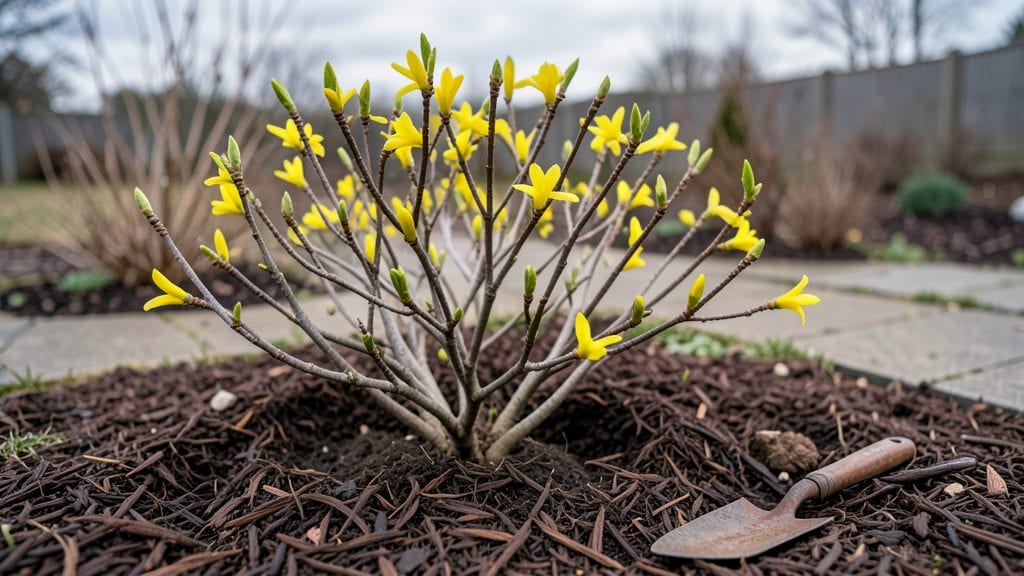
Planting forsythia bushes delivers vibrant yellow blooms that scream "spring" long before other shrubs wake up. ✨ I planted mine last October, and by March, the neighborhood was already stopping to admire them—something you won’t get with slower growers.
The secret isn’t complicated: it’s about timing, soil, and a little patience.
Forsythias thrive in full sun and well-draining soil, but they’re surprisingly forgiving. Start by choosing a spot that gets at least 6 hours of sunlight daily—morning sun and afternoon shade works too.
Amend heavy clay with compost, and avoid low spots where water pools. Spacing matters: give each bush 8-10 feet of room to spread without crowding neighbors.
Once planted, water deeply to settle the roots, then let the soil dry slightly between waterings. The first year is all about establishing roots, not flowers—so skip heavy fertilizing.
By spring, you’ll see those bright yellow clusters appear earlier than any other shrub in your yard, turning heads before the tulips even bloom.
Here’s the best part: forsythias need almost no maintenance after they’re established. Prune right after flowering to shape them, and they’ll reward you with decades of reliable color.
Whether you’re lining a driveway or adding a pop of cheer to a shady corner, this is the shrub that delivers every time.
📚 In This Guide
- What you need
- Instructions
- Tips and common mistakes
- Wrapping up and next steps
What you need
- ● Forsythia bushes: 1–3 plants (depending on desired coverage). Look for Forsythia x intermedia or Forsythia ovata varieties, available at nurseries or online.
- ● High-quality potting soil or garden soil: 5–10 gallons, amended with compost for better drainage.
- ○ Organic mulch (optional but recommended): 2–3 inches of shredded bark or wood chips to retain moisture and suppress weeds.
- ● Garden trowel or spade: For digging holes (6–8 inches wide and deep).
- ● Pruning shears: To trim dead or overgrown branches before planting.
- ● Watering can or hose with a gentle spray nozzle: Forsythia loves moisture but hates soggy roots!
- ○ Garden gloves (optional): To protect your hands from thorns or rough soil.
- ○ Measuring tape or ruler (optional): For precise hole spacing (10–15 feet apart for mature bushes).
- ● A sunny location with at least 6–8 hours of direct sunlight daily.
- ● Well-draining soil (forsythia hates waterlogged roots—amend clay soil with sand or compost if needed).
- ● Time of year: Early spring or fall (avoid extreme heat or frost).
Step-by-step instructions for planting forsythia bushes
Here's the straightforward approach I use to get vibrant forsythia blooms every spring.
🌱 Step 1: Choose the Perfect Planting Spot
Forsythia thrives in full sun, so pick a location that gets at least 6 hours of direct sunlight daily. I always check the site in late afternoon when shadows are longest—this helps me visualize how sunlight will shift through the seasons. Avoid low spots where cold air collects, as forsythia roots dislike soggy soil.
Test the soil by digging a 12-inch hole. If the soil feels compacted or stays clumpy when wet, you'll need to amend it later. Forsythia prefers well-draining soil with a pH between 6.0 and 7.0. You'll know you've found the right spot when the area gets consistent sun and the soil drains well after rain.
🪴 Step 2: Dig and Prepare the Planting Hole
Dig a hole that's twice as wide as the forsythia's root ball but only as deep—planting too deep can suffocate the roots. I like to loosen the sides of the hole with a garden fork to encourage root spread. Remove any rocks or debris from the bottom, as they can restrict root growth.
If your soil is heavy clay, mix in 2-3 inches of compost with the native soil you removed. This improves drainage and provides nutrients for the first growing season. Tap the plant lightly out of its container to check the root ball—if roots are circling tightly, gently tease them apart before planting.
💧 Step 3: Plant and Water Thoroughly
Place the forsythia in the hole so the top of the root ball sits 1 inch above ground level. This prevents water from pooling around the stem. Fill the hole with soil, pressing gently around the edges to remove air pockets. I always water the plant immediately after planting to help settle the soil and eliminate gaps.
Water deeply until the soil is 6 inches down—you'll know it's enough when water runs out the bottom of the hole. Mulch the area with 2-3 inches of organic mulch, keeping it 3 inches away from the stem to prevent rot. This helps retain moisture and regulates soil temperature, which is especially important during hot summers.
☀️ Step 4: Provide Ongoing Care for Establishment
Keep the soil consistently moist for the first 2-3 months, but don't overwater—forsythia roots need air too. You'll see new growth within 4-6 weeks, which means the plant has taken root. Avoid fertilizing during the first year unless your soil test shows deficiencies, as new plants need time to establish before competing for nutrients.
Prune lightly in late spring after flowering to shape the bush, but avoid heavy pruning in the first year. Forsythia blooms on old wood, so any major cuts now will reduce next year's flowers. Watch for signs of stress like yellowing leaves—this usually means the plant needs more water or better drainage.
Tips & tricks for perfect forsythia planting
Here's what I've learned after planting dozens of forsythia bushes—these little tricks make all the difference for happy, blooming plants.
The Sunlight Secret: That 6 hours of sunlight is non-negotiable, but timing matters too. I always check the site at 3 PM when shadows are longest—this helps me visualize how sunlight will shift through the seasons. If your yard has afternoon shade, consider planting near a south-facing wall where reflected light can extend the sun exposure. Forsythia is tough, but it won't bloom well without its sunlight fix.
Root Ball Rescue: Before planting, gently tap the container to check the root ball. If you see roots circling tightly (a condition called "pot-bound"), carefully tease them apart with your fingers. This simple step prevents root strangulation that can stunt growth for years. I've seen plants recover beautifully after this treatment, even if they looked stressed when purchased.
Mulching Magic: Those 2-3 inches of organic mulch aren't just for looks—they're a game-changer. Spread it 3 inches away from the stem to prevent rot, but don't skimp on the coverage. Mulch helps regulate soil temperature, which is especially important during our hot summers. I like to use shredded bark mulch because it breaks down slowly and improves soil structure over time.
Watering Wisdom: The first 2-3 months are critical for establishing roots, but don't drown your forsythia. Water until soil is 6 inches down, then let the top inch dry out before watering again. Overwatering is just as harmful as underwatering—forsythia roots need air too. I set a reminder on my phone for the first month to ensure consistent moisture without overdoing it.
Pro Tips for Planting Forsythia Bushes
- Here's what I've learned after planting dozens of forsythia bushes—these little tricks make all the difference for happy, blooming plants.
- The Sunlight Secret: That 6 hours of sunlight is non-negotiable, but timing matters too.
- Root Ball Rescue: Before planting, gently tap the container to check the root ball.
Frequently asked questions
Got questions about planting forsythia bushes? You’re not alone! Here are some of the most common concerns—plus straightforward answers to help you grow vibrant, healthy shrubs with ease.
When is the best time to plant forsythia bushes?
Forsythia thrives when planted in early spring (right before buds swell) or fall (4-6 weeks before frost). Avoid summer heat—it stresses roots! If you must plant in late spring, water deeply and mulch to retain moisture.
How long does it take for forsythia to bloom after planting?
Patience pays off! Mature forsythia blooms in 3–5 years, but younger plants may take 1–2 years to show color. For faster results, buy established 1–2 year old bushes (they’ll bloom sooner). Prune after flowering to encourage next year’s blooms.
What pests or diseases should I watch for?
Forsythia is generally low-maintenance, but keep an eye out for aphids (sap-sucking insects) or powdery mildew (white fungal spots). Spray with water to deter aphids or improve airflow to prevent mildew. Overwatering or poor drainage can worsen issues—plant in well-draining soil!
Can I plant forsythia in a container or small garden?
Yes! Forsythia adapts well to containers (use 5-gallon pots for dwarf varieties) or small spaces. Just ensure the pot has drainage holes and replant every 2–3 years to refresh soil. For tight gardens, choose compact cultivars like ‘Little Witch’ (3–4 ft tall).
What if my forsythia isn’t getting enough sun?
Forsythia loves full sun (6+ hours/day) for best blooms. If yours is in shade, it may grow leggy or sparse. Gradually move it to sunnier spot over weeks to avoid shock. If relocating isn’t an option, prune to shape and fertilize lightly in spring.
Pro Tip:
Mulch around the base (2–3 inches) with wood chips or bark to retain moisture, suppress weeds, and protect roots. Replenish mulch annually—it breaks down over time!
Wrapping up and next steps
Planting forsythia bushes is a rewarding way to welcome vibrant spring color into your garden with minimal effort! 🌸 With the right location, soil prep, and a little patience, these cheerful shrubs will thrive and brighten your landscape for years.
Now that you’re equipped with sunlight, well-draining soil, and proper spacing, it’s time to roll up your sleeves and enjoy the process.
Ready to transform your yard? Start by marking your planting spots, then dig, place, and water your forsythia bushes following the steps above. Before you know it, you’ll be admiring their golden blooms—and maybe even sharing your success with neighbors! 🌿