
Propagation
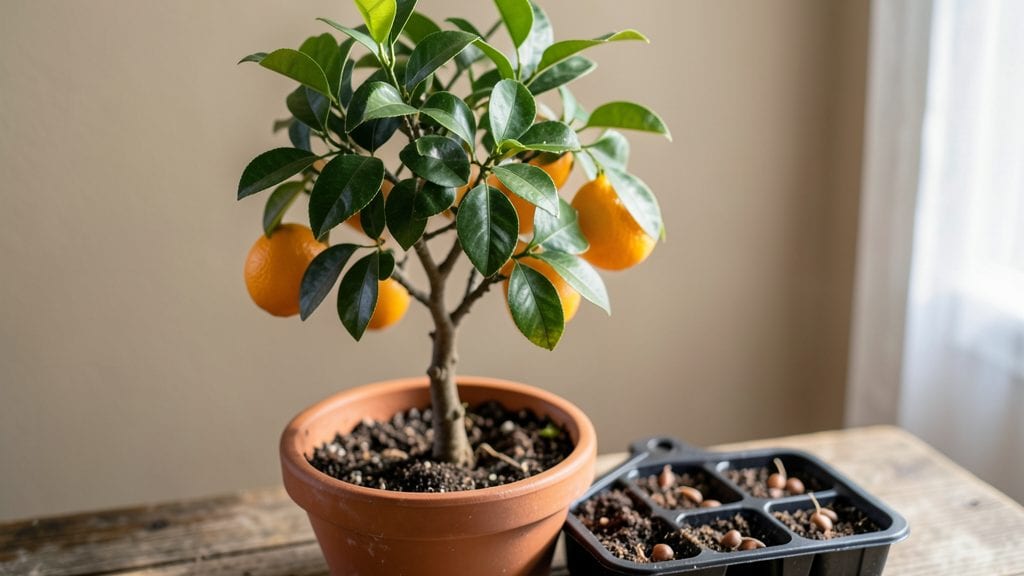
Planting clementine seeds is like waiting for a slow-burning miracle—those tiny seeds can take weeks to crack open, but when they do, you're growing a tree that could bear fruit in just a few years. 🌱 I’ve watched my kitchen scraps turn into 3-foot saplings by summer, and the secret isn’t fancy equipment—it’s warmth, patience, and a few tricks to speed up that stubborn germination.
The biggest hurdle is citrus seeds’ love of heat—below 60°F, they’ll just sit there, sulking. You’ll need a warm spot (like a sunny windowsill or a heat mat), a shallow pot with drainage, and a mix of potting soil and perlite to keep roots happy.
Plant them just below the surface—no deep burials—and keep the soil damp but never soggy. Most seeds sprout within 2-4 weeks, but some take longer, so don’t give up too soon.
Once those first green shoots appear, you’ll be hooked. Tiny leaves unfurl into glossy citrus foliage, and within months, you’ll have a real tree—though it’ll need years to fruit. The real payoff?
Watching it grow from a toothpick-thin sprout to a bushy plant that smells like sunshine. Just be ready to move it outside gradually once temperatures stay above 50°F at night.
Here’s where it gets interesting—citrus trees are finicky, but seedlings are tougher than they look. The key is avoiding cold drafts and overwatering. If you keep them cozy and consistent, you’ll have a thriving little tree by next spring. Ready to start your own citrus adventure?
📚 In This Guide
- What you need
- Instructions
- Tips and common mistakes
- Wrapping up and next steps
What you need
- ● Clementine seeds: 3–5 fresh, plump seeds (harvested from organic clementines for best results).
- ○ Small pots or seed trays: 3–4 (4–6 inches wide) with drainage holes. Optional: Biodegradable peat pots for easy transplanting.
- ● Seed-starting mix: 2–3 cups of sterile, well-draining potting soil (avoid garden soil—it can harbor pests!).
- ● Spray bottle: For gentle watering (avoid over-saturating seeds).
- ● Plastic wrap or clear lid: To create a humidity dome (like a mini greenhouse!).
- ○ Heat mat (optional but helpful): Keeps soil warm (70–80°F) to speed up germination.
- ● Grow lights or sunny windowsill: 6+ hours of bright, indirect light daily.
- ● Fertilizer (after germination): Balanced citrus fertilizer (5-5-5 NPK ratio) or diluted fish emulsion.
- ● Patience: Germination can take 2–4 weeks (or longer!).
- ● Consistency: Keep soil moist but not soggy—overwatering is the #1 killer of citrus seeds.
- ● Warmth: Citrus seeds thrive in warmth (ideal temp: 70–85°F).
- ● Space: A sunny spot or grow light setup ready for seedling growth.
Step-by-step instructions for planting clementine seeds
Citrus seeds need special care, but these tricks speed up germination to 30 days or less.
🌱 Step 1: Extract and Prepare the Seeds
Wash the clementine thoroughly under cool water to remove any sticky residue, then slice it open. I like to use a butter knife to carefully scoop out the seeds without damaging them—each seed should be intact and free of pulp. Place them in a bowl of lukewarm water for 24 hours to soften the outer coating. This step is crucial because citrus seeds have a tough outer shell that slows germination.
After soaking, gently rub the seeds between your fingers to remove any remaining membrane. You’ll see the seed’s true shape emerge—this is your signal it’s ready for planting. If the water turns cloudy, drain and rinse the seeds before proceeding. This ensures they’re clean and ready to absorb moisture efficiently.
💧 Step 2: Plant in a Moist, Well-Draining Mix
Fill a small pot—4 inches deep—with a mix of 50% potting soil and 50% perlite. The perlite prevents waterlogging, which citrus seeds hate. Moisten the mix until it’s damp but not soggy—think of a wrung-out sponge. Press the soil down lightly to create a firm surface, then make a small hole about ½ inch deep with your finger.
Place one seed in each hole, covering it with just enough soil to hold it in place. I like to plant 2-3 seeds per pot to increase my chances, but only the strongest sprout will survive. Water gently with a spray bottle until the soil looks evenly moist. Place the pot in a warm, shaded spot—75-85°F is ideal for germination.
☀️ Step 3: Provide Warmth and Humidity for Germination
Citrus seeds need warmth to sprout, so I place the pot on a seedling heat mat set to 80°F. If you don’t have a heat mat, a sunny windowsill near a south-facing window works, but germination may take longer. Cover the pot loosely with plastic wrap to retain humidity—this mimics the tropical conditions citrus trees love.
Check the soil daily and mist it lightly if the surface feels dry. Avoid letting it stay wet, as this can cause rot. Within 7-14 days, you’ll see tiny green sprouts pushing through the soil. Once they appear, remove the plastic wrap immediately to prevent mold. This is the moment that matters—consistent warmth and moisture are your secret weapons for fast germination.
🌿 Step 4: Transplant and Care for Young Seedlings
When the seedlings reach 3-4 inches tall and have 2-3 true leaves, it’s time to transplant them into individual 6-inch pots. Use the same soil mix—50% potting soil and 50% perlite—to keep roots healthy. Gently loosen the seedling from its original pot, then place it in the new container, burying it up to the first set of leaves.
Water lightly to settle the soil, then move the pot to a bright spot with indirect sunlight. Direct sun at this stage can scorch tender leaves. You’ll notice new growth within a few weeks if the conditions are right. Here’s the thing—citrus seedlings grow slowly at first, so patience is key. Keep the soil consistently moist but never soggy, and you’ll have strong, healthy young trees ready for future transplanting.
Tips & tricks for planting clementine seeds
Here's what nobody tells you about getting those stubborn citrus seeds to sprout reliably.
The Soak Secret: That 24-hour lukewarm water soak isn't just about softening the outer shell—it's also a test. If your seeds float after 24 hours, they're likely non-viable. Only sinkers are worth planting. I've learned this the hard way after wasting perfectly good clementines on seeds that never sprouted.
Temperature Matters: The 75-85°F range is non-negotiable for germination. If your home stays cooler than 70°F, consider using a seedling heat mat set to 80°F—this is the magic number that triggers germination. I've seen seeds take twice as long when kept at room temperature (around 68°F) instead of maintaining this warm environment.
Planting Depth Precision: That ½-inch hole might seem shallow, but planting too deep can suffocate young sprouts. Press the soil gently around the seed to secure it without compacting it. Think of it like tucking a baby in bed—just enough to hold them in place while leaving room to grow.
Transplanting Timing: Wait until you see 2-3 true leaves (not the initial seed leaves) before transplanting. These true leaves indicate the seedling has established its first set of photosynthesis machinery. I've rushed this step before and ended up with weak, leggy seedlings that never recovered.
Pro Tips for Planting Clementine Seeds
- Here's what nobody tells you about getting those stubborn citrus seeds to sprout reliably.
- The Soak Secret: That 24-hour lukewarm water soak isn't just about softening the outer shell—it's also a test.
- Temperature Matters: The 75-85°F range is non-negotiable for germination.
Frequently asked questions
Got questions about growing clementine trees from seeds? You’re not alone! Here are answers to the most common concerns—plus a few pro tips to boost your success.
How long does it take for clementine seeds to germinate?
Germination usually takes 2–4 weeks under ideal conditions (warmth, moisture, and indirect light). Some seeds may sprout faster, while others take up to 6 weeks. Patience is key—keep the soil consistently damp (not soggy) and maintain temps around 70–80°F (21–27°C) for best results.
Will a clementine seed grow into a true clementine tree?
Nope! Trees grown from seeds are not true-to-type—they’ll likely produce bitter, inedible fruit or even a different citrus variety. For sweet clementines, grafting is the gold standard. But hey, the seed-grown tree is still a cool (and low-cost) way to experiment with citrus!
Can I plant clementine seeds outside directly, or do I need to start indoors?
Start seeds indoors 6–8 weeks before your last frost date for best survival rates. Outdoor planting is risky—they’re tender seedlings and vulnerable to cold snaps. Once seedlings are 3–4 inches tall and hardened off, transplant them to pots or the ground in a warm, sunny spot.
Why aren’t my clementine seeds sprouting? Troubleshooting tips.
Seeds might fail to sprout due to:
- Cold soil: Use a seedling heat mat or place pots near a sunny window.
- Too much moisture: Drain excess water to avoid rot.
- Old or dried-out seeds: Soak seeds in warm water for 24 hours before planting.
- Low humidity: Cover seeds with plastic wrap or a humidity dome.
What’s the best soil mix for germinating clementine seeds?
Use a light, well-draining mix like:
- 50% peat-free potting soil
- 30% perlite or vermiculite (for aeration)
- 20% sand or coconut coir (to prevent compaction)
Wrapping up and next steps
Growing a clementine tree from seed is a rewarding journey that combines patience, care, and a little citrus magic! 🌱 With the right tricks—like proper soil, warmth, and consistent moisture—you’ll be amazed at how quickly those tiny seeds can sprout into vibrant seedlings.
Remember, even if not every seed succeeds, each attempt is a step toward your own citrus paradise.
Now that you’re armed with germination know-how, why not take the next step? Share your progress with fellow plant enthusiasts, experiment with different citrus varieties, or even gift your seedlings to friends. Happy planting—your future tree (and future clementines!) are waiting! 🍊✨