
Diseases
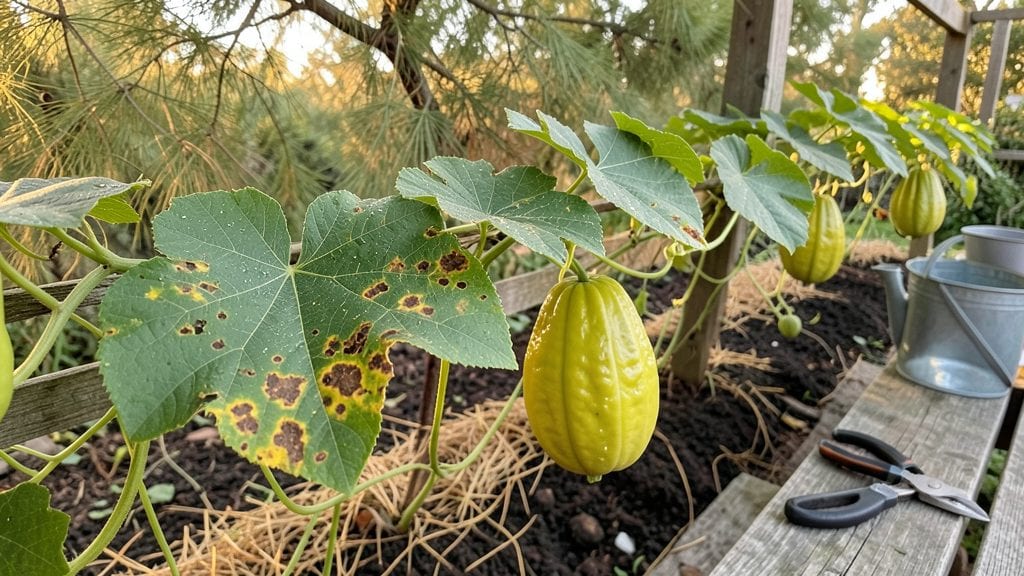
Spotting passion fruit plant diseases early saves your harvest—and my first crop nearly died from woodiness virus because I ignored those tiny yellow spots. 🌿 The key is knowing what to watch for: bacterial blight's dark, oozing lesions, fungal spots that look like coffee stains, or the stunted growth that signals viral trouble.
These diseases don't just ruin fruit; they spread faster than you'd think in warm, humid climates like Florida or California.
Most problems start with poor airflow or dirty tools. I learned the hard way that pruning with contaminated shears spreads bacterial blight like wildfire. The fix? Sterilize everything with rubbing alcohol, space vines 6 feet apart, and remove infected leaves immediately.
Organic options like neem oil work for fungal issues, but viral diseases—like woodiness—require pulling infected plants before they contaminate the whole patch.
You'll see healthier vines within weeks if you catch issues early. The fruit turns out plump, sweet, and free of those ugly blemishes.
My second harvest was twice as big after I started these simple checks: inspect leaves every Friday morning, water at soil level (not overhead), and rotate crops every three years to break disease cycles.
Works for backyard growers and commercial plots alike—just adjust for your local pests. Now, let's get those vines thriving without the heartbreak of a failed season.
Root Causes Of Passion Fruit Ailments
Passion fruit plants, while resilient, are vulnerable to a range of diseases that thrive under specific conditions. Understanding why these issues arise is the first step to prevention.
Below, we break down the key factors that create the perfect storm for fungal, bacterial, and viral infections—plus environmental stressors that weaken your plants.
Passion fruit plants are tropical at heart, meaning they demand precise growing conditions. When these are disrupted, diseases latch on like a parasite to a weakened host.
- Excess Moisture: Fungal diseases like Phytophthora and Fusarium love damp, stagnant soil. Overwatering or poor drainage creates the ideal breeding ground for spores, which then infect roots, stems, and leaves.
- High Humidity: Stagnant air (especially in greenhouses or shaded areas) traps moisture on foliage, promoting anthracnose and powdery mildew. These fungi thrive in environments where water doesn’t evaporate quickly.
- Temperature Fluctuations: Passion fruit plants prefer warmth (70–85°F). Sudden drops below 50°F or heatwaves above 95°F stress the plant, making it more susceptible to infections. Cold stress weakens cell walls, while extreme heat disrupts natural defenses.
- Poor Air Circulation: Crowded plants or dense foliage trap humidity and prevent sunlight penetration. This creates a cozy environment for pathogens to spread unchecked.
💡 Pro Tip: Use a hygrometer to monitor humidity (ideal: 40–60%) and ensure airflow with strategic pruning or spacing. Drip irrigation (instead of overhead) keeps leaves dry.
Diseases don’t just appear—they invade. Passion fruit plants are targeted through wounds, natural openings, or even healthy-looking tissue if the right pathogen is present.
- Physical Damage: Pruning cuts, insect bites (like thrips or mites), or hail scars create entry points for bacteria (Xanthomonas) and fungi (Colletotrichum). Always sterilize tools with 70% alcohol to prevent cross-contamination.
- Contaminated Tools/Soil: Reusing pruners, stakes, or pots without cleaning spreads pathogens. Even compost or mulch can harbor dormant spores if not properly sterilized.
- Weakened Plant Defenses: Nutrient deficiencies (especially nitrogen or potassium) or pest infestations (e.g., spider mites) stress the plant, making it an easy target. A healthy plant’s cuticle acts as a barrier—compromised, it’s game over.
- Vector Transmission: Some diseases, like woodiness virus, are spread by insects (e.g., aphids or whiteflies). Once infected, the plant becomes a reservoir for further spread.
✨ Prevention Hack: Rotate crops annually to break disease cycles in the soil. Solarize beds in winter by covering them with clear plastic for 4–6 weeks to kill pathogens.
Not all passion fruit plants or cuttings are created equal. Introducing infected stock is like rolling out the red carpet for diseases.
- Infected Nursery Stock: Symptoms like leaf spots, wilting, or stunted growth may not appear immediately, but pathogens can lie dormant. Always quarantine new plants for 2–4 weeks and inspect for signs of disease.
- Seed-Borne Pathogens: Some fungal diseases (e.g., Alternaria) can hitch a ride on seeds. If you’re growing from seed, source them from reputable suppliers and treat with a fungicide before planting.
- Grafting/Propagating Risks: Cutting from an infected mother plant ensures the disease spreads to clones. Sterilize tools and propagate only from healthy, disease-free stock.
🎯 Best Practice: Buy certified disease-free plants from nurseries or propagate from your own healthy vines. Avoid sharing cuttings with other growers unless you’ve confirmed their plants are clean.
Pests don’t just damage leaves—they open doors for diseases. Some insects feed on plant sap, creating wounds that pathogens exploit.
- Sap-Sucking Insects: Aphids, whiteflies, and mealybugs weaken plants by draining nutrients, making them vulnerable to bacterial blight or sooty mold (a fungal growth fed by their honeydew).
- Boring Insects: Passion fruit borers (Helicoverpa) tunnel into stems, creating perfect entry points for Fusarium wilt. Look for frass (insect droppings) or sawdust-like exit holes.
- Root Feeders: Nematodes damage roots, reducing water and nutrient uptake. This stress makes plants more susceptible to Phytophthora root rot.
🔥 Quick Fix: Introduce beneficial insects (ladybugs, lacewings) or use neem oil to control pests before they trigger secondary infections. Healthy plants resist disease better!
Quick Fixes for Common Ailments
Now that you know what’s ailing your passion fruit plants, let’s roll up our sleeves and get them back on track! Early action is key—don’t wait until the leaves turn crispy or the fruit starts rotting.
Below are practical, step-by-step solutions tailored to each disease, plus prevention tips to keep your plants thriving long-term. Think of this as your plant’s emergency first aid kit—simple, effective, and easy to follow.
🔥 Powdery Mildew: Scrub and Spray
Powdery mildew might look like dust, but it’s a sneaky fungal invader. Here’s how to kick it to the curb: - 🍳 Prune and Toss: Snip off infected leaves (don’t compost them—toss in the trash) to prevent spores from spreading.
Wear gloves to avoid transferring spores to healthy parts. - 👨🍳 Soap It Up: Mix 1 tablespoon of baking soda + 1 tablespoon of horticultural oil + 1 teaspoon of dish soap in a gallon of water.
Spray this concoction on both sides of the leaves (especially the undersides, where mildew loves to hide). Repeat every 5–7 days until the white fuzz disappears. - 🌡️ Boost Airflow: Thin out crowded vines and avoid overhead watering.
If possible, train vines to climb a trellis for better airflow. - ✨ Prevention Pro Tip: Apply neem oil spray (1 tsp neem oil + 1 tsp mild soap per quart of water) weekly during humid months. Neem oil disrupts fungal spores before they take hold.
🍄 Fruit Rot: Save the Harvest
If your passion fruit is turning mushy or covered in fuzzy mold, act immediately: - 🔪 Remove Infected Fruit: Cut off rotting fruit at the stem (don’t pull—this can tear the plant).
Dispose of it far from your garden to stop spores from spreading. - 🥘 Copper Fungicide Spray: Mix 1 tablespoon of copper fungicide (or a homemade solution of 1 tsp copper sulfate + 1 quart of water) and spray directly on the fruit and surrounding leaves.
Reapply every 10 days until the rot stops. - 🌧️ Water Wisely: Water at the base of the plant in the morning so leaves dry quickly. Wet fruit at night?
That’s an open invitation for rot. - 🎯 Prevention Pro Tip: Space plants 6–8 feet apart to reduce humidity in the canopy. If your garden is prone to rot, consider resistant varieties like ‘Panama Red’ or ‘Sweetie.’
🐜 Woodiness Virus (Transmitted by Mites): Quarantine and Treat
This one’s tricky because it’s spread by spider mites and thrips.
Your best defense? Break the pest cycle: - 🕵️♂️ Inspect New Plants: Before bringing home any passion fruit cuttings or seedlings, quarantine them for 2 weeks and check for mites or thrips. - 💦 Blast Them Away: Spray plants with a strong stream of water to knock off mites.
Follow up with insecticidal soap (2 tbsp per gallon of water) or neem oil spray. - 🌿 Encourage Predators: Release ladybugs or predatory mites (available at garden centers) to keep spider mite populations in check. - 🔥 Prevention Pro Tip: Reflective mulch (like aluminum foil) can deter thrips.
Lay it around the base of your plants and watch those pests bounce away!
🐛 Bacterial Blight: Sterilize and Isolate
Bacterial blight is aggressive—once it’s in, it’s hard to erase.
Your goal? Contain and prevent: - 🧼 Sterilize Tools: Clean pruners with 70% rubbing alcohol or a 10% bleach solution before and after trimming infected areas. - 🚫 Remove and Burn: Cut out all infected leaves and stems (including the 1-inch area around the blight). Do not compost—burn or trash them. - 💧 Copper Bactericide Spray: Use a copper-based bactericide (like Copper Sept) and spray every 7–10 days until no new lesions appear. - 🎯 Prevention Pro Tip: Rotate crops—don’t plant passion fruit in the same spot year after year.
If possible, grow them in containers for easier rotation.
Sometimes, diseases are just your plant’s way of saying, “Hey, I’m uncomfortable!” Fix these common triggers:
🔥 Sun Scorch: Shield and Hydrate
- 🌿 Provide Shade: If your plant is in a hot, dry climate, use shade cloth (30–50%) during peak sun hours (10 AM–4 PM).
- 💦 Deep Watering: Water deeply 2–3 times per week (rather than daily shallow watering) to encourage strong roots.
Mulch with straw or wood chips to retain moisture. - ✨ Prevention Pro Tip: Drip irrigation delivers water directly to the roots, keeping leaves dry and reducing scorch risk.
🌧️ Overwatering: Drain and Dry
- 🚿 Check the Soil: Stick your finger 2 inches into the soil—if it’s soggy, hold off on watering. Passion fruit plants hate wet feet.
- 🔧 Improve Drainage: Amend heavy clay soil with sand or perlite.
If growing in pots, ensure they have drainage holes. - 🌡️ Air It Out: After watering, gently fluff the soil around the base to aerate it and speed up drying.
Want to keep your passion fruit plants disease-free?
Make these habits part of your routine: - 🌱 Plant Resistant Varieties: Choose ‘Golden Passionfruit’ or ‘Purple Haze’—they’re bred to fight off common pests and diseases. - 🧼 Clean Up Debris: Remove fallen leaves, fruit, and weeds regularly to eliminate hiding spots for pests and fungi. - 📅 Regular Inspections: Check plants weekly for early signs of trouble.
Catching issues early = less work later. - 🌿 Boost Plant Health: Feed with a balanced fertilizer (10-10-10) every 6–8 weeks and ensure they get 6–8 hours of sunlight daily.
Remember: The key to treating passion fruit diseases is speed and consistency. The moment you spot a problem, act—whether it’s a quick spray, a pruning session, or adjusting your watering habits.
With these fixes, your plants will bounce back stronger, and you’ll be back to enjoying juicy, homegrown passion fruit in no time! 🍈✨
Frequently asked questions
What are the first signs of passion fruit plant diseases?
Watch for leaf spots (dark, irregular patches), yellowing leaves (especially on younger growth), or stunted vines. Bacterial blight shows as oozing lesions, while fungal issues often appear as powdery white coatings or coffee-stain patterns. Check undersides of leaves first—many pathogens hide there.
Can I save my passion fruit plant if it already has woodiness virus?
Unfortunately, no—woodiness virus has no cure. Once infected, the plant will decline over time. Remove it immediately to prevent spreading to healthy vines. Sterilize tools and soil afterward, and quarantine new plants for 2 weeks before introducing them to your garden.
How often should I spray neem oil to prevent fungal diseases?
Apply neem oil every 7–10 days during humid seasons (spring/fall) or after heavy rain. Mix 1 teaspoon neem oil + 1 teaspoon mild soap per quart of water and spray evenly on both leaf sides. Stop spraying 2 weeks before harvest to avoid residue.
Why do my passion fruit plants get diseases even with good care?
Diseases often spread through contaminated tools, pests like aphids, or poor airflow. Even healthy plants can get infected if nearby plants are sick. Always sterilize pruners with 70% alcohol, remove infected debris, and space vines 6 feet apart for better circulation.
Are there disease-resistant passion fruit varieties I can grow?
Yes! Consider 'Golden Passionfruit' or 'Purple Haze'—both are bred for better pest/disease resistance. These varieties tolerate humidity and heat better than standard types. Check with local nurseries for region-specific recommendations.