
Planting
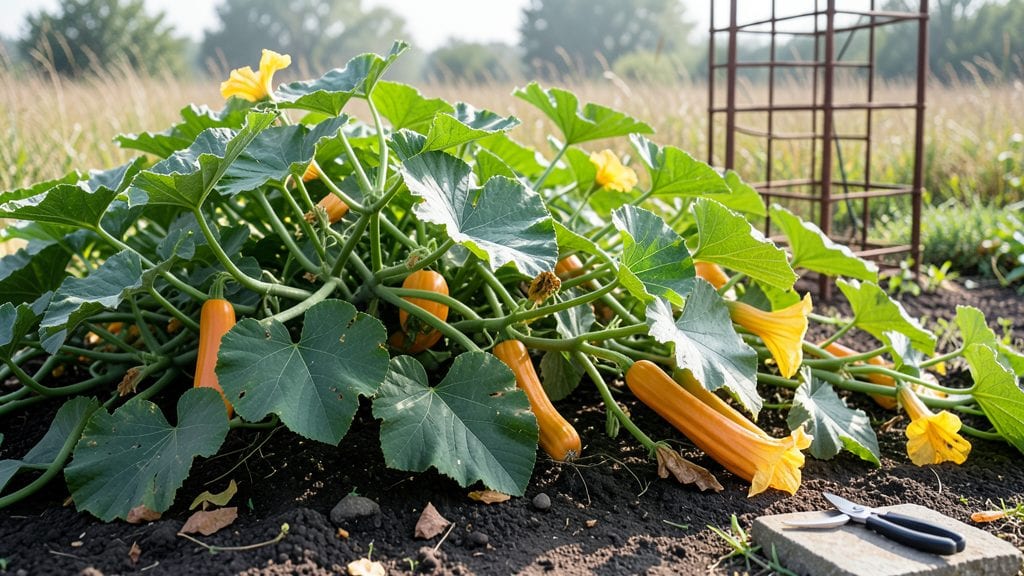
Growing Korean squash plants delivers fast harvests that outperform most summer crops. ✨ I’ve grown these vines for three seasons now, and their ability to produce heavy yields in just 70-80 days—even in hot climates—makes them a game-changer for gardeners with limited time.
The key lies in their adaptability: they thrive in poor soil, tolerate heat better than many squash varieties, and produce both edible fruit and nutritious leaves.
The secret to their speed starts with soil—amend with 2-3 inches of compost before planting, as Korean squash appreciates well-draining earth but isn’t fussy about fertility. Plant seeds 1 inch deep in hills spaced 4-5 feet apart, giving vines room to sprawl (they can reach 10 feet if unchecked).
These plants love full sun (6+ hours daily) and consistent moisture, but they’ll forgive occasional drought better than overwatering. A mulch layer keeps roots cool and conserves water.
By midsummer, you’ll see vibrant green vines climbing with smooth, cylindrical fruit—some varieties develop a sweet, nutty flavor when mature. The real payoff comes when you harvest: 3-5 squash per vine is typical, with some plants producing up to 10 pounds of fruit in a season.
Even the leaves are edible, adding a spinach-like texture to stir-fries. The plants also self-pollinate, so you won’t need to worry about hand-pollinating like with some cucurbits.
For best results, plant in late spring after frost (Zone 4+) or early summer in warmer climates, and pair with beans, corn, or radishes to improve soil nitrogen and deter pests.
Avoid planting near potatoes or melons, as they compete for nutrients. With minimal effort, you’ll have a high-yielding, low-maintenance crop that keeps giving long after most gardens wind down.
📚 In This Guide
- What you need
- Instructions
- Tips and common mistakes
- Wrapping up and next steps
What you need
- ● Seeds: 3–5 Korean squash (Hobak) seeds per plant (or 10–15 seeds if starting multiple plants). Choose heirloom or organic seeds for best results.
- ● Potting Mix: 10–15 lbs of high-quality, well-draining seed-starting mix (or a blend of 60% potting soil + 40% perlite/vermiculite). Avoid garden soil—it’s too dense for seedlings!
- ● Containers (for seedlings): 3–5 biodegradable pots (3–4 inches deep) or small nursery trays with drainage holes. Pro tip: 💡 Paper pots prevent root disturbance when transplanting!
- ● Garden Space or Large Containers: Outdoor Garden: A sunny spot (6+ hours of sunlight daily) with loose, fertile soil (amend with compost if needed). Space plants 3–4 feet apart—they spread!
- ● Container Gardening: 5-gallon buckets or fabric grow bags (minimum 18 inches deep) with drainage holes. Use 1 part compost + 2 parts potting mix per container.
- ● Fertilizer: Seedling Stage: Balanced 5-5-5 or 10-10-10 fertilizer (1 tbsp per gallon of water, applied every 2 weeks).
- ● Mature Plants: Organic compost tea or low-nitrogen fertilizer (3-4-6) to boost vine and fruit growth.
- ● Watering Tools: Watering can with a fine rose nozzle (for seedlings).
- ● Drip irrigation or soaker hose (for established plants—avoid wetting leaves to prevent disease!).
- ○ Support Structures (Optional but Helpful): Trellis or Cattle Panel: 4–6 ft tall to train vines (saves space and improves airflow).
- ● Straw or Mulch: 2–3 inches thick around the base to retain moisture and suppress weeds.
- ● Basic Gardening Tools: Trowel or small hand shovel (for transplanting seedlings).
- ● Gloves (to protect hands from prickly vines later!).
- ● Pruning Shears: Sharp, clean pair for trimming excess vines or yellow leaves.
- ○ pH Test Kit: Optional but useful—Korean squash prefers soil pH 6.0–6.8. Adjust with lime (to raise pH) or sulfur (to lower it) if needed.
- ● Row Cover or Shade Cloth: Lightweight fabric to protect seedlings from pests (like squash bugs) or harsh sun.
- ● Harvesting Tools: Sharp knife or pruners (for clean cuts when harvesting squash).
- ● Basket or cloth bag (to avoid bruising squash during transport).
- ● Warmth: Korean squash thrives in warm weather (70–90°F). Start seeds indoors 2–3 weeks before last frost or direct-sow after soil reaches 60°F+.
- ● Patience: Vines take 70–90 days to produce squash—plan accordingly!
- ● Consistency: Squash needs 1–2 inches of water per week (more in extreme heat). Pro tip: 🌡️ Water deeply in the morning to prevent fungal issues.
Step-by-step instructions for growing Korean squash plants
Here’s how to cultivate vigorous Korean squash vines that produce abundant harvests in just a few months.
🌱 Step 1: Prepare the Planting Site and Soil
Korean squash thrives in warm, well-draining soil with plenty of organic matter. Choose a sunny spot that gets at least 6-8 hours of direct sunlight daily. Before planting, loosen the soil to a depth of 12 inches—this helps roots spread easily and prevents waterlogging.
Work in a 2-3 inch layer of compost to enrich the soil. Korean squash prefers slightly acidic to neutral soil (pH 6.0-7.0), so test your soil if possible. If it’s too alkaline, amend with sulfur or peat moss. Avoid fresh manure—it can burn tender roots and attract pests.
🌱 Step 2: Plant Seeds or Transplants at the Right Time
Start seeds indoors 2-3 weeks before your last frost date or sow directly in the garden after soil temperatures reach 70°F. Plant seeds 1 inch deep and 3-4 feet apart—Korean squash vines spread widely, so give them space. If using transplants, harden them off for 7-10 days before moving outdoors.
I like to plant 2-3 seeds per hill and thin to the strongest seedling once they’re 2 inches tall. This ensures you don’t lose a crop if one seed fails to germinate. Water the soil thoroughly after planting to settle the seeds and encourage root contact.
☀️ Step 3: Provide Consistent Water and Mulch
Korean squash needs 1-2 inches of water weekly, but it’s critical to keep the soil evenly moist—not soggy. Water at the base of the plant in the morning to reduce fungal risks. Once vines start spreading, apply a 3-inch layer of straw or shredded leaves as mulch to retain moisture and suppress weeds.
Here’s the thing—Korean squash is sensitive to uneven watering. If the soil dries out too much, fruits can develop bitter flavors or crack. Check moisture by sticking your finger 1 inch into the soil; if it feels dry, water deeply. Avoid overhead watering once flowers appear—wet blossoms can lead to blossom-end rot.
✂️ Step 4: Train Vines and Prune for Better Yields
Korean squash vines grow aggressively, so guide them along a trellis or fence to save space and improve air circulation. Use soft ties to secure vines without damaging the stems. Prune any yellowing or diseased leaves immediately to keep the plant healthy—this redirects energy to fruit production.
Real talk: If you notice male flowers (long stems with no bulb) but no female flowers (tiny squash at the base), your plant may need more sunlight or nutrients. Female flowers appear later in the season, so be patient. Once fruits form, harvest when they reach 6-8 inches long for the best flavor and texture.
🪴 Step 5: Harvest and Extend the Season
Harvest Korean squash when the skin is firm and the color deepens to its mature shade. Use a sharp knife or pruners to cut stems, leaving 1 inch of stem attached to prevent rot. Regular harvesting encourages more production—don’t let fruits overmature on the vine.
To extend the season, cover young plants with row fabric if frost threatens. Korean squash is cold-hardy to 28°F for short periods, but a light frost will ruin tender leaves. If your growing season is short, opt for early-maturing varieties or start seeds indoors for a jump on the season.
Tips & tricks for fast-growing Korean squash vines
Fast results start with these key strategies that accelerate growth and maximize yields without sacrificing quality.
Soil Preparation Secret: Don't just loosen the soil to 12 inches—break up any compacted layers deeper if possible. Korean squash roots love to explore, and deeper loosening prevents them from circling at the surface. I also mix in a handful of bone meal (about 1/2 cup per plant) at planting time for an instant phosphorus boost that encourages vigorous root development. This helps your vines establish quickly and start producing faster.
Timing is Everything: The 70°F soil temperature threshold is critical—wait for it or your seeds may rot. Use a soil thermometer to confirm, especially in cooler climates. For a head start, plant in black plastic mulch 1-2 weeks earlier; it warms the soil faster and speeds up germination. This little trick can shave valuable days off your growing season, especially if you're aiming for early harvests.
Watering Wisdom: That 1-2 inches weekly guideline assumes average conditions, but Korean squash actually needs more in hot weather. In temperatures above 85°F, increase to 1.5-2 inches weekly and water more frequently—every 2-3 days. The key is consistency: let the top inch of soil dry between waterings, but never let it get bone dry. I use drip irrigation on a timer for hands-off moisture control that prevents the bitter flavors from uneven watering.
Harvest Hack: When checking for 6-8 inch fruits, look for the telltale "shoulder" where the stem meets the squash—the skin should be firm but not hard. Harvesting at this stage ensures peak sweetness and prevents the vines from getting overloaded. For continuous production, pick every 3-4 days during peak season. I always harvest in the morning when fruits are cool and firmest, which preserves their quality longer.
Pro Tips for Korean Squash Plant
- Fast results start with these key strategies that accelerate growth and maximize yields without sacrificing quality.
- Soil Preparation Secret: Don't just loosen the soil to 12 inches—break up any compacted layers deeper if possible.
- Timing is Everything: The 70°F soil temperature threshold is critical—wait for it or your seeds may rot.
Frequently asked questions
Got questions about growing Korean squash plants? You’re not alone—this fast-growing vine can be a game-changer for your garden! Below, we’ve rounded up the most common queries to help you grow like a pro.
How long does it take for Korean squash to produce fruit?
Korean squash (like Cucurbita moschata) typically starts producing fruit 70–90 days after planting, depending on your climate and growing conditions. In warm regions, you might see early blooms as soon as 50–60 days! For faster results, opt for transplants instead of seeds.
What’s the best temperature range for growing Korean squash?
Korean squash thrives in warm weather—ideal temperatures range from 70–90°F (21–32°C). Avoid planting until soil is at least 60°F (15°C), as cold temperatures can stunt growth. If you’re in a cooler zone, start seeds indoors 2–3 weeks before the last frost or use row covers.
How do I prevent pests like squash bugs or powdery mildew?
Squash bugs and powdery mildew are common foes, but you can fight back! Handpick pests early in the morning, use neem oil for mildew, and rotate crops yearly. For extra protection, mulch heavily to deter bugs and improve airflow. Healthy soil = healthier plants!
Can I grow Korean squash in containers? If so, what size pot do I need?
Korean squash vines can thrive in containers if given enough space. Aim for a 5-gallon pot (or larger) with drainage holes, and choose a trellis or cage to support the vines. Just ensure the pot gets full sun (6+ hours/day) and water consistently—containers dry out faster than garden beds.
How do I know when Korean squash is fully ripe and ready to harvest?
Look for these signs: Hard, glossy skin (can’t dent with a fingernail), a dull rattle when shaken, and a stems that snaps easily (not wilted). Harvest before the skin turns soft or develops cracks. Pro tip: Use pruning shears to avoid damaging the vine!
What are some good companion plants for Korean squash?
Korean squash plays well with others! Plant near bush beans, radishes, or nasturtiums to deter pests. Avoid pairing with potatoes or melons, as they compete for nutrients. Marigolds are a great addition—they repel squash bugs naturally!
Wrapping up and next steps
Growing a Korean squash plant is a rewarding journey that brings fresh, flavorful harvests to your table with minimal effort! Whether you're a seasoned gardener or a beginner, these fast-growing vines thrive with the right care—think rich soil, plenty of sun, and a little patience. 🌱
Now that you’re equipped with all the tips and answers, why not take the next step? Start by selecting your seeds, prepping your garden space, and planting within the next few weeks to enjoy a bountiful harvest this season. Happy gardening—your future meals will thank you! 🍽️