
Pests
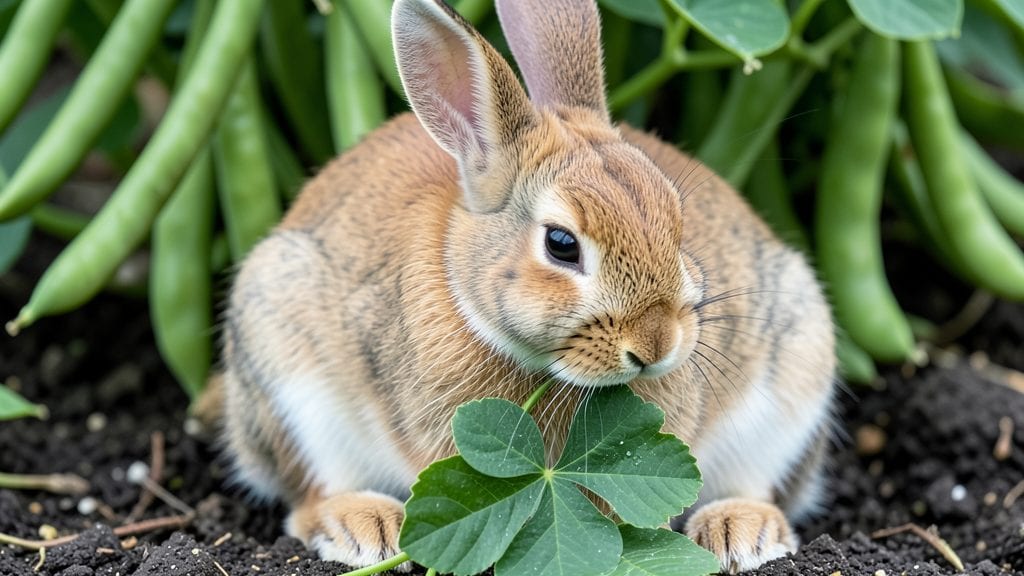
Rabbits eat bean plants like green beans and bush beans, but varieties such as fava or broad beans can be harmful in large amounts due to L-dopa. Always test new plants in small doses and watch for digestive issues.
Bean plants aren't one-size-fits-all when it comes to rabbit diets. 🌱 While common varieties like green beans and lima beans are safe in moderation, others contain compounds that can cause stomach upset or even toxicity.
The key difference lies in their chemical makeup—some beans contain higher levels of L-dopa, which rabbits can't metabolize efficiently. I recommend starting with just a few leaves to see how your rabbit reacts before offering larger portions.
For gardeners dealing with rabbit nibbling, the good news is there are plenty of safer alternatives. Plants like cilantro, parsley, and dandelion greens are rabbit favorites and packed with nutrients. Even better, these options won't leave you worrying about hidden toxins.
If you're growing a rabbit-friendly garden, consider planting these alongside your beans to give your bunnies healthy choices while protecting your bean harvest.
💡 In This Article
- Toxicity Risks in Common Bean Varieties for Rabbits
- Rabbit-Safe Garden Alternatives to Bean Plants
Toxicity risks in common bean varieties for rabbits
The danger in certain bean varieties for rabbits stems from their high L-dopa content, an amino acid that converts to dopamine in the body. Fava beans and broad beans contain particularly high concentrations—up to 0.5-1.5% of their dry weight—while green beans typically have less than 0.1%.
This chemical overload forces rabbits' livers to work overtime, potentially causing digestive distress or neurological symptoms. 🔥 The threshold for toxicity varies by rabbit size, but even small amounts can trigger reactions in sensitive individuals.
Here's how the risk compares between safe and dangerous varieties:
- Safe options: Green beans (0.1% L-dopa), lima beans (0.2% L-dopa) - these contain minimal levels that rabbits can process safely in moderation
- High-risk options: Fava beans (0.5-1.5% L-dopa), broad beans (0.8-1.2% L-dopa) - these require careful monitoring due to their concentrated compounds
- Moderate-risk: Soybeans (0.3% L-dopa) - should be fed sparingly and never as a staple
When rabbits consume toxic beans, they often show symptoms within 6-24 hours, including excessive gas, bloating, and lethargy. Severe cases may progress to seizures or loss of appetite due to liver strain.
The key mechanism is that L-dopa interferes with their digestive enzymes, particularly those responsible for breaking down complex plant proteins. 💛 This creates a double burden on their systems, as they're already adapted to high-fiber, low-protein diets.
For safe feeding, limit bean introductions to 1-2 tablespoons of chopped green beans per 5 lbs of rabbit body weight, no more than 2-3 times per week. Always serve fresh, never canned or processed varieties which contain added preservatives.
The safest approach is to observe your rabbit for 24 hours after introducing any new plant—this gives you time to spot early signs of distress before symptoms escalate.
What most people don't realize is that even safe beans should be prepared properly. Raw beans contain lectins, proteins that can irritate a rabbit's digestive lining. Lightly steaming or boiling beans for 3-5 minutes helps neutralize these compounds while preserving nutrients.
This simple step makes the difference between a healthy treat and one that causes stomach upset. ✨
If you suspect your rabbit has eaten toxic beans, act immediately by offering plain water and hay to absorb toxins and provide fiber. Contact your vet if symptoms persist beyond 48 hours, as prolonged exposure can lead to permanent liver damage.
Prevention is always better than treatment—when in doubt, opt for rabbit-safe alternatives like parsley or dandelion greens that offer similar nutritional benefits without the risks.